
























Travel Capitalist Ventures Expands Check Size to $10 Million to Deepen Emerging Market Conviction
Boutique Travel VC raises investment cap from $1.5M to $10M to lead rounds and support portfolio companies through growth Travel...
Read moreDetails
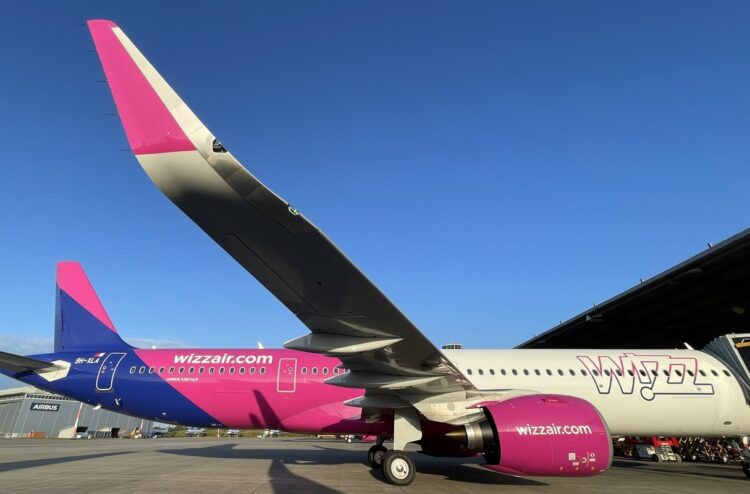
Photo Credit: Wizz Air
Comprehensive Summarization:
Wizz Air UK has submitted an application to the US Department of Transportation (DOT) for permission to operate passenger flights between the United Kingdom and the United States. This strategic move, filed on January 23, 2026, seeks both an exemption and a foreign air carrier permit under the US-UK Open Skies Agreement. The application could potentially reshape budget travel across the Atlantic, marking a significant strategic pivot to long-haul growth for the major low-cost carrier. The article, while brief, highlights the company’s ambition to expand its reach and influence in the long-haul market, a trend that aligns with broader industry shifts towards global connectivity and competition.
Key Points:
Actionable Takeaways:
Potential Expansion of Transatlantic Low-Cost Flights: Wizz Air UK’s application could lead to increased competition in the transatlantic low-cost flight market. This could drive down prices for consumers, making budget travel more accessible. However, it also poses challenges for existing carriers, necessitating strategic responses to maintain market share.
Strategic Pivot to Long-Haul Growth: Wizz Air’s application signals a shift towards long-haul growth, a trend that could influence other low-cost carriers to follow suit. This pivot could lead to increased competition in the long-haul segment, prompting airlines to innovate in areas such as route optimization, pricing strategies, and customer experience to stay competitive.
Impact on US-UK Open Skies Agreement: The application could influence the interpretation and implementation of the US-UK Open Skies Agreement. It may lead to discussions on how such agreements can be adapted to accommodate the evolving needs of low-cost carriers, potentially setting a precedent for future agreements in the sector.
Contextual Insights:
The application by Wizz Air UK reflects a broader trend in the travel industry towards expanding global connectivity and competition. As low-cost carriers seek to capitalize on long-haul opportunities, they are pushing the boundaries of traditional travel markets. This move aligns with the current industry focus on innovation and efficiency, as companies strive to offer competitive pricing and enhanced travel experiences. Furthermore, the application underscores the importance of regulatory frameworks like the US-UK Open Skies Agreement in facilitating such expansions. As the industry continues to evolve, stakeholders must remain agile, adapting to new opportunities and challenges while ensuring compliance with regulatory standards. The potential expansion of transatlantic low-cost flights could also stimulate further innovation in travel tech, fintech, and related sectors, driving the industry forward in the digital age.
Read the Complete Article.
Boutique Travel VC raises investment cap from $1.5M to $10M to lead rounds and support portfolio companies through growth Travel...
Read moreDetails



Comprehensive Summarization: The article discusses the recent licensing fees announced by the Liberia Tourism Authority, which has sparked debate among...
Read moreDetails
