


![Boy band BTS [HYBE]](https://images.traveltrade.today/wp-content/uploads/2026/04/Seoul-Hosts-BTS-Fan-Events-for-City-Arirang-Seoul.jpg)






















Travel Capitalist Ventures Expands Check Size to $10 Million to Deepen Emerging Market Conviction
Boutique Travel VC raises investment cap from $1.5M to $10M to lead rounds and support portfolio companies through growth Travel...
Read moreDetails
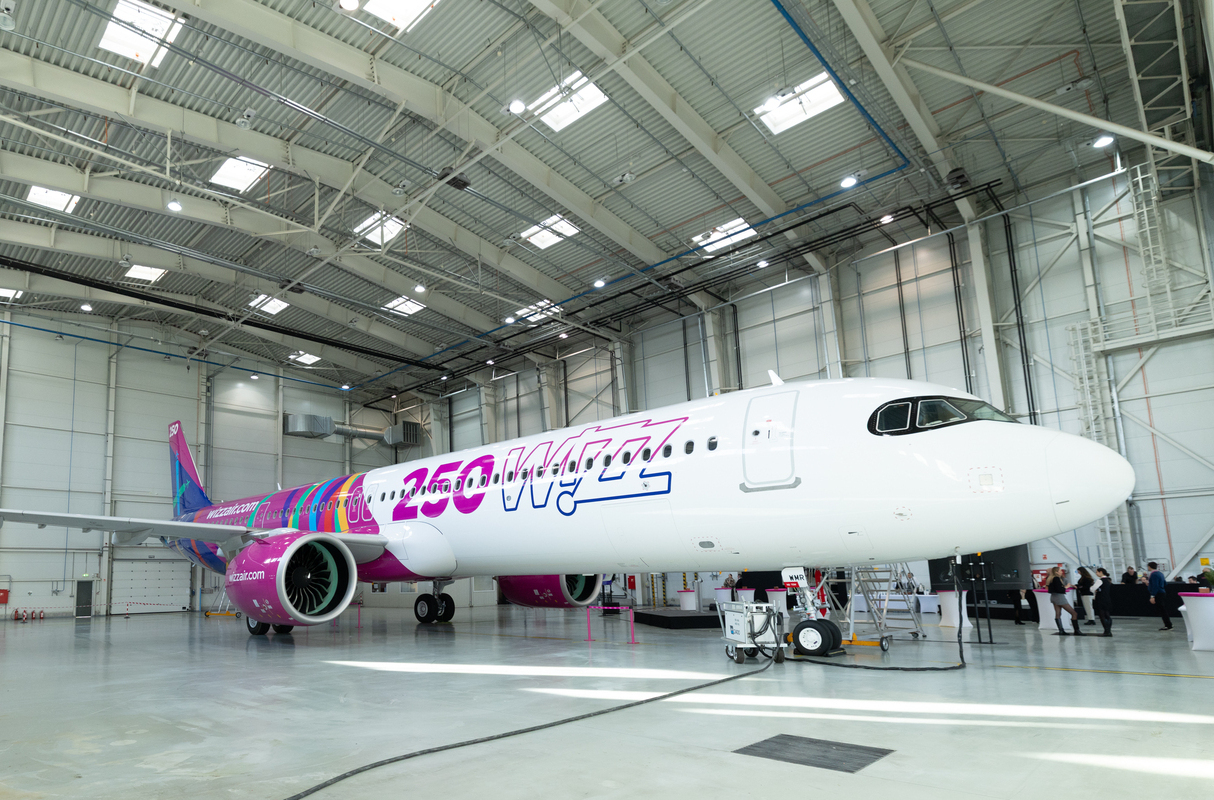
Photo Credit: Wizz Air
Comprehensive Summarization:
Wizz Air, a prominent ultra-low-cost carrier in Europe, reported its financial results for Q3 2025/26, covering October to December 2025. The airline demonstrated signs of recovery amidst ongoing industry challenges, as evidenced by a narrowing of losses while simultaneously boosting revenue and passenger numbers. In this period, Wizz Air achieved a revenue of approximately €1.3 billion, marking a solid 10% increase year-over-year. These figures indicate a positive trend in the airline’s financial performance, despite the broader economic and operational challenges faced by the travel industry.
Key Points:
Actionable Takeaways:
Revenue Growth as a Positive Indicator: The 10% year-over-year revenue increase suggests that Wizz Air’s cost management strategies and operational efficiencies are paying off. This growth is a positive indicator for the ultra-low-cost carrier model, suggesting that such business models can remain viable even in challenging economic conditions. For other airlines and travel companies, this underscores the importance of maintaining lean operational models to navigate economic downturns.
Focus on Passenger Numbers: The increase in passenger numbers alongside revenue growth indicates that Wizz Air is successfully attracting more customers. This could be due to effective marketing strategies, competitive pricing, or improved service offerings. For travel companies, this highlights the importance of customer-centric strategies and the potential benefits of targeted marketing campaigns to boost both revenue and passenger volumes.
Contextual Insights:
The recovery of Wizz Air in Q3 2025/26 is particularly noteworthy given the broader challenges faced by the travel industry, including fluctuating fuel prices, regulatory changes, and shifting consumer preferences towards more sustainable travel options. The airline’s ability to narrow its losses while increasing revenue suggests effective cost management and strategic operational improvements. This aligns with recent industry trends where airlines are increasingly focusing on digital transformation, customer experience enhancements, and operational efficiencies to stay competitive.
Moreover, the recovery of Wizz Air could have broader implications for the travel tech sector. As airlines seek to optimize their operations and enhance customer experiences, there is likely to be increased investment and innovation in travel technology solutions. This could include advancements in digital booking platforms, loyalty programs, and personalized travel experiences. For startups and fintech companies operating in the travel sector, the success of Wizz Air could serve as a case study for implementing lean business models and leveraging technology to drive growth and profitability.
In summary, Wizz Air’s Q3 2025/26 financial results indicate a positive recovery trend, characterized by revenue growth and reduced losses. These developments are reflective of broader industry trends and underscore the importance of operational efficiency, customer-centric strategies, and technological innovation in navigating the challenges of the travel industry.
Read the Complete Article.
Boutique Travel VC raises investment cap from $1.5M to $10M to lead rounds and support portfolio companies through growth Travel...
Read moreDetails



Comprehensive Summarization: Wizz Air's shares experienced a significant surge following the announcement of the Iran-US ceasefire on April 8, with...
Read moreDetails
