






















Travel Capitalist Ventures Expands Check Size to $10 Million to Deepen Emerging Market Conviction
Boutique Travel VC raises investment cap from $1.5M to $10M to lead rounds and support portfolio companies through growth Travel...
Read moreDetails
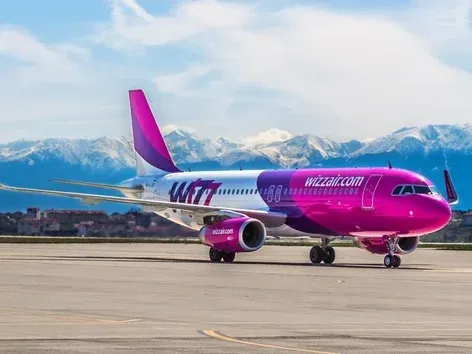
Visit Ukraine - Wizz Air returns to Suceava: new flights from the closest airport to Ukraine
Article Summary:
Wizz Air has resumed operations at its base in Suceava Airport, the closest international airport to Ukraine. The airline is launching new flights to European cities and expanding its flight schedule for the winter season. This development is significant as it provides travelers with more options to access Ukraine and neighboring European destinations, potentially boosting tourism and economic activity in the region.
Key Points:
Actionable Takeaways:
Contextual Insights:
The resumption of flights from Suceava Airport by Wizz Air is timely and strategically significant. In the context of the ongoing geopolitical situation in Ukraine, providing accessible air travel options is crucial for maintaining international connections and supporting tourism. The airline’s decision to expand its winter schedule reflects an understanding of seasonal travel patterns and a proactive approach to meeting traveler needs. This move aligns with broader travel industry trends of enhancing connectivity and offering flexible travel options, especially in regions with geopolitical complexities. Furthermore, the focus on European destinations underscores the interconnectedness of the European market and the importance of maintaining robust air travel links, which can have positive ripple effects on regional economies.
Read the Complete Article.
Boutique Travel VC raises investment cap from $1.5M to $10M to lead rounds and support portfolio companies through growth Travel...
Read moreDetails




