





















Travel Capitalist Ventures Expands Check Size to $10 Million to Deepen Emerging Market Conviction
Boutique Travel VC raises investment cap from $1.5M to $10M to lead rounds and support portfolio companies through growth Travel...
Read moreDetails
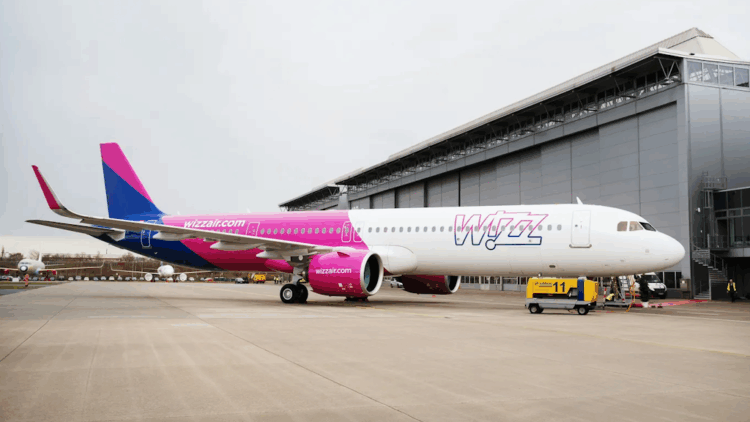
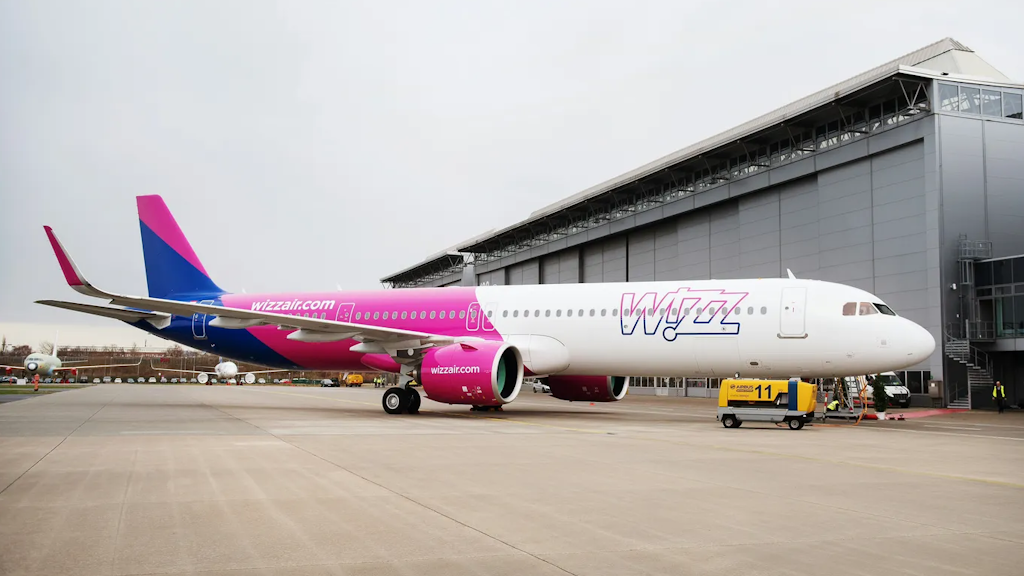
© Airbus
Article Summary:
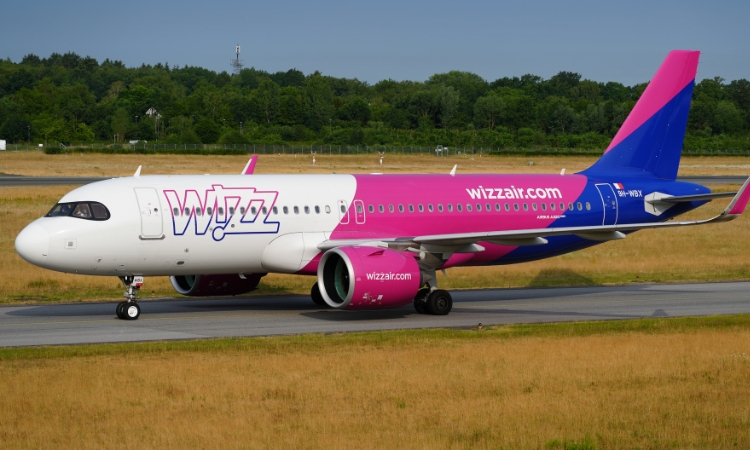
The article details a heightened public dispute between the leaders of Wizz Air and Ryanair, with Wizz Air CEO József Váradi responding directly to Ryanair’s chief Michael O’Leary’s claims about the viability of the Hungarian carrier. This conflict, which has been ongoing for months, has escalated into a direct exchange that may extend beyond media sparring. The latest trigger for this dispute was O’Leary’s statement in September suggesting that Wizz Air’s survival is “inevitable,” sparking a direct confrontation between the two industry giants.
Key Points:
Actionable Takeaways:
Contextual Insights:
The ongoing dispute between Wizz Air and Ryanair reflects broader trends in the travel industry, where competition is intensifying, and financial stability is a critical concern. Recent market conditions, including fluctuating fuel prices and varying regulatory environments, have heightened the need for airlines to prove their long-term viability. Technological advancements, such as improved digital booking systems and enhanced customer service tools, are also playing a significant role in shaping the competitive landscape. Experts predict that the outcome of this dispute could set a precedent for how airlines manage financial challenges and innovate in response to market pressures. This situation underscores the importance of adaptability and strategic foresight in the travel sector, particularly for startups and established players alike.
Read the Complete Article.
Boutique Travel VC raises investment cap from $1.5M to $10M to lead rounds and support portfolio companies through growth Travel...
Read moreDetails




