






















Travel Capitalist Ventures Expands Check Size to $10 Million to Deepen Emerging Market Conviction
Boutique Travel VC raises investment cap from $1.5M to $10M to lead rounds and support portfolio companies through growth Travel...
Read moreDetails
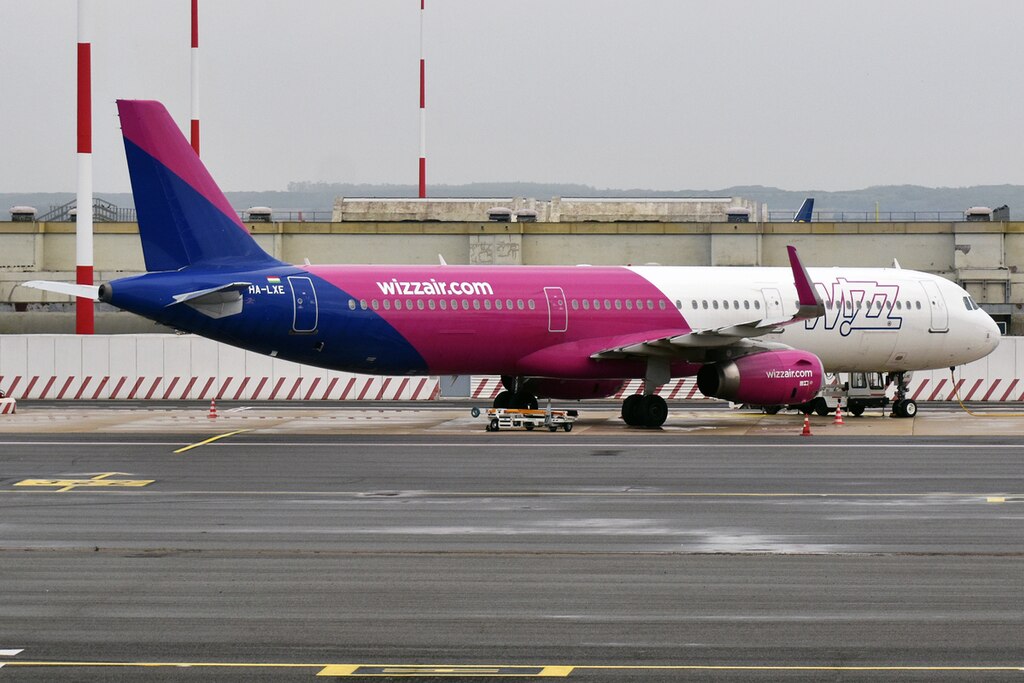
Anna Zvereva, CC BY-SA 2.0, via Wikimedia Commons
Article Summary:
Wizz Air, Romania’s largest airline, has officially reopened its base at Suceava’s Ștefan cel Mare International Airport, marking the end of a year of significant growth for the airline. As part of this expansion, Wizz Air has introduced two modern Airbus A321neo aircraft to the base, enhancing its fleet to 41 aircraft operating in Romania. These new aircraft are part of the efficient and comfortable A321neo family, reflecting the airline’s commitment to modernization and service quality.
Key Points:
Actionable Takeaways:
Contextual Insights:
The reopening of Wizz Air’s base at Suceava’s airport is a timely development in the context of the ongoing recovery of the global travel industry post-pandemic. The airline’s strategic focus on expanding its fleet with modern, efficient aircraft reflects broader industry trends towards sustainability and passenger-centric services. As the travel sector continues to adapt to post-pandemic realities, innovations in aircraft technology and strategic base expansions will play crucial roles in shaping future growth and competitiveness.
In the broader context of the travel industry, this development underscores the importance of technological advancement and strategic location decisions in driving growth and enhancing service quality. The adoption of modern aircraft like the A321neo aligns with the industry’s shift towards sustainability and efficiency, while the reopening of key airports signals a return to normalcy and growth in air travel demand. For travel startups and fintech innovators, this presents opportunities in developing solutions that support airlines in their expansion efforts, such as digital booking platforms, loyalty programs, and payment solutions tailored for the evolving travel landscape.
Read the Complete Article.
Boutique Travel VC raises investment cap from $1.5M to $10M to lead rounds and support portfolio companies through growth Travel...
Read moreDetails




