




















Travel Capitalist Ventures Expands Check Size to $10 Million to Deepen Emerging Market Conviction
Boutique Travel VC raises investment cap from $1.5M to $10M to lead rounds and support portfolio companies through growth Travel...
Read moreDetails
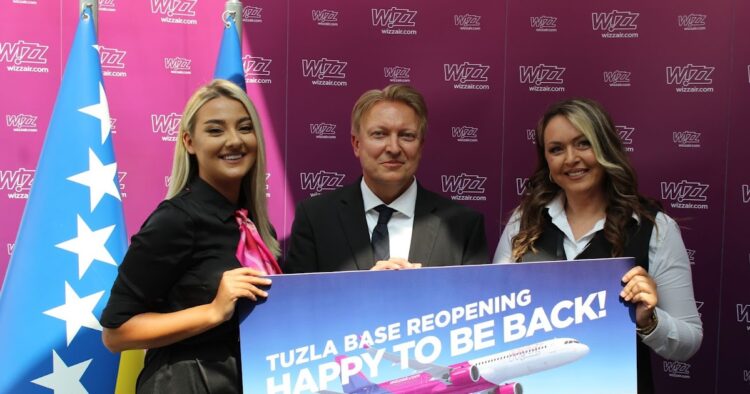
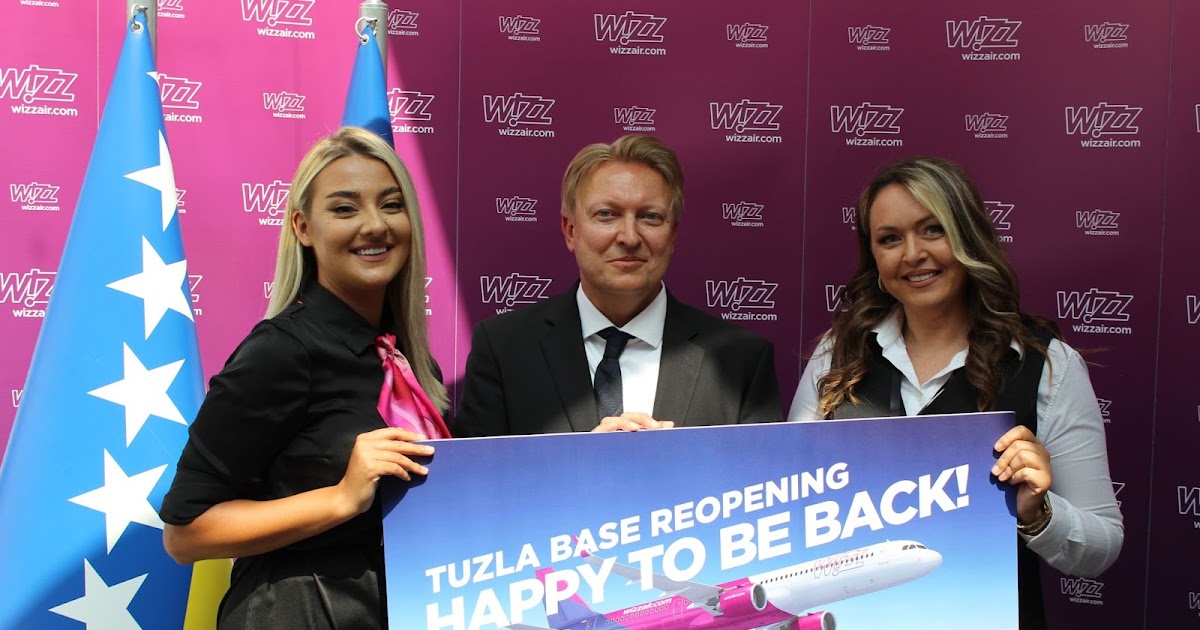
Wizz Air reopens Tuzla base
Article Summary:
Wizz Air has reopened its base in Tuzla, Bosnia and Herzegovina, after a two-year hiatus. The airline will launch ten new routes from Tuzla Airport, starting with flights to Maastricht and Cologne, followed by Malmo and Hamburg. The carrier has stationed one Airbus A321neo jet at Tuzla Airport, with plans to add another in late March. This move signifies Wizz Air’s strategic expansion into new markets and a return to a previously operational hub.
Key Points:
Actionable Takeaways:
Contextual Insights:
The reopening of Wizz Air’s base in Tuzla is a significant development in the context of the travel industry’s ongoing recovery from the COVID-19 pandemic. It reflects a broader trend of airlines reassessing their network strategies to capitalize on emerging markets and technological advancements. The introduction of fuel-efficient aircraft like the Airbus A321neo also underscores the industry’s focus on sustainability and cost-efficiency. For travel startups and fintech innovators, this development highlights the potential for new partnerships and collaborations in expanding market access and improving travel logistics.
Read the Complete Article.
Boutique Travel VC raises investment cap from $1.5M to $10M to lead rounds and support portfolio companies through growth Travel...
Read moreDetails




