





















Travel Capitalist Ventures Expands Check Size to $10 Million to Deepen Emerging Market Conviction
Boutique Travel VC raises investment cap from $1.5M to $10M to lead rounds and support portfolio companies through growth Travel...
Read moreDetails
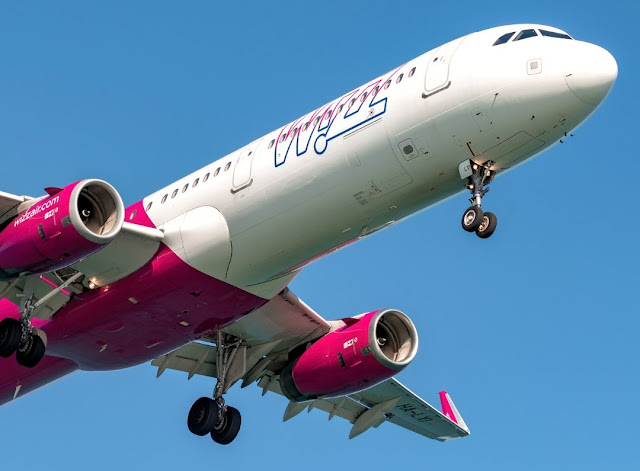
Wizz Air to replace Basel flights with Stuttgart for limited period
Comprehensive Summarization:
Wizz Air, a low-cost carrier, will temporarily replace its Basel services with flights from Stuttgart to Banja Luka, Niš, Ohrid, and Tuzla for a one-month period between mid-April and mid-May. This change is due to runway works at Basel Airport, which will disrupt its current services. The new route to Tuzla will commence on April 15 and operate five times per week until May 20. Ohrid will also be introduced on the same day with three weekly flights through May 20. Operations to Banja Luka and other destinations will continue as usual. This move is a response to the ongoing runway maintenance at Basel Airport, ensuring that Wizz Air can maintain its service levels despite the disruption.
Key Points:
Actionable Takeaways:
Operational Adaptation: Wizz Air’s decision to temporarily shift its Basel services to Stuttgart demonstrates the airline’s ability to adapt to external disruptions, such as runway maintenance at airports. This operational flexibility is crucial in the travel industry, where unforeseen events can significantly impact service delivery. Airlines should develop contingency plans to mitigate the impact of such disruptions on their operations and customer experience.
Route Optimization: The introduction of new routes to Banja Luka, Niš, and Ohrid presents an opportunity for Wizz Air to expand its market reach and attract new customers. This strategic move highlights the importance of route optimization in the travel industry, where airlines continuously seek to maximize their market share and customer base. By introducing new destinations, airlines can tap into emerging travel trends and cater to the evolving preferences of travelers.
Contextual Insights:
The article’s context is rooted in the ongoing challenges faced by the travel industry due to various external factors, such as airport maintenance and global events. Wizz Air’s decision to temporarily shift its services from Basel to Stuttgart reflects the industry’s resilience and adaptability in the face of such disruptions. This move underscores the importance of having contingency plans in place to ensure service continuity and maintain customer satisfaction.
In terms of travel trends, the article highlights the significance of route optimization and operational flexibility in the current market landscape. As airports undergo maintenance or face other disruptions, airlines must be prepared to adapt their routes and schedules to minimize the impact on their operations. This trend is likely to continue as the industry navigates through ongoing challenges, such as the aftermath of the COVID-19 pandemic and the evolving geopolitical landscape.
Moreover, the introduction of new routes to destinations like Ohrid presents an opportunity for airlines to explore untapped markets and cater to the growing demand for travel to less conventional destinations. This trend aligns with the broader industry shift towards offering more diverse and personalized travel experiences to meet the evolving preferences of modern travelers.
Handling Different Article Types:
The article in question is a news blurb, providing factual information about a specific change in Wizz Air’s operations due to runway works at Basel Airport. News blurbs typically offer concise, factual summaries of recent events or developments in the industry. In handling such articles, it is essential to focus on the core facts and context provided, ensuring that the summary accurately reflects the information presented without introducing external opinions or interpretations.
For opinion pieces or feature articles, the approach would differ, requiring a deeper analysis of the author’s viewpoints, the implications of the discussed topics, and potential future trends. However, in this case, the structured output format and the requirement to adhere strictly to the facts and context provided in the article guide the generation of a concise and informative summary.
Read the Complete Article.
Boutique Travel VC raises investment cap from $1.5M to $10M to lead rounds and support portfolio companies through growth Travel...
Read moreDetails



Comprehensive Summarization: Riyadh Air, Saudi Arabia's new national flag carrier, is actively expanding its international pilot recruitment efforts through successful...
Read moreDetails
