
























Travel Capitalist Ventures Expands Check Size to $10 Million to Deepen Emerging Market Conviction
Boutique Travel VC raises investment cap from $1.5M to $10M to lead rounds and support portfolio companies through growth Travel...
Read moreDetails

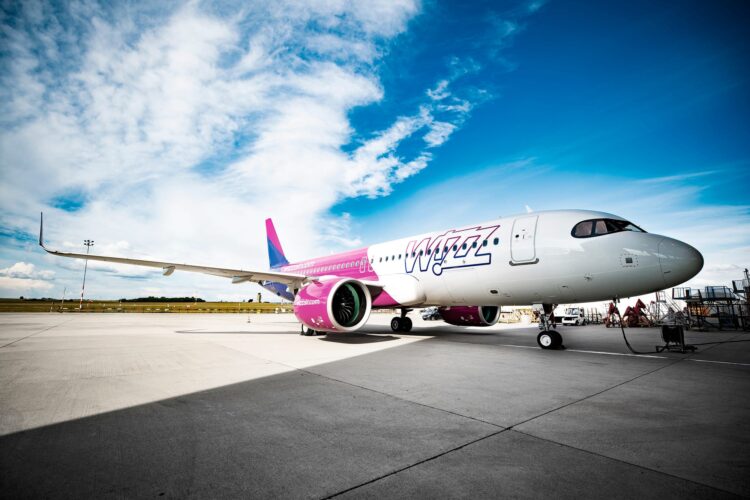
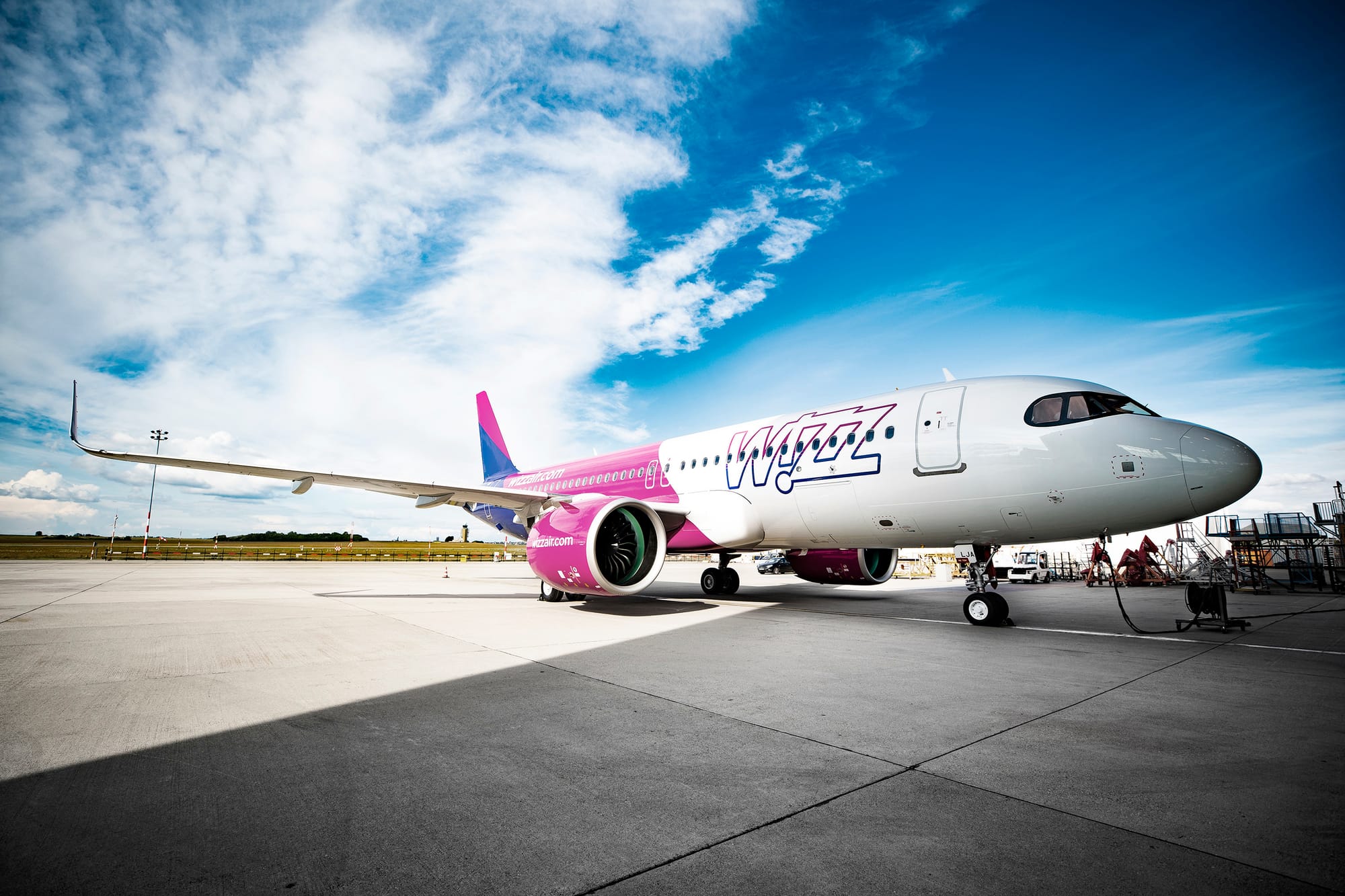
Credit: Wizz Air
Article Summary:
Wizz Air, founded in 2003, has significantly transformed the Central and Eastern Europe (CEE) aviation sector by offering ultra-low-cost, point-to-point flights from secondary airports. This strategy has slashed fares and expanded connectivity, providing millions of travelers previously limited to ground transport or expensive legacy carriers with more affordable travel options. As a result, Wizz Air has captured 29% of the regional market, driving economic growth through increased tourism, job creation, and improved intra-regional links. The article highlights Wizz Air’s strategic focus on market expansion and its role in reshaping the travel landscape in CEE.
Key Points:
Actionable Takeaways:
Market Expansion Strategies: Airlines and travel companies can learn from Wizz Air’s approach to market expansion by focusing on secondary airports and offering ultra-low-cost, point-to-point services. This strategy can help capture a significant market share and drive economic growth through increased tourism and job creation.
Innovation in Travel Tech: The success of Wizz Air underscores the importance of innovation in travel technology. Companies in the travel sector should invest in technology that enables low-cost, efficient operations, such as digital booking platforms, streamlined check-in processes, and competitive pricing models.
Fintech Opportunities: Wizz Air’s impact on the CEE region highlights opportunities for fintech innovations in the travel industry. Developing payment solutions, loyalty programs, and financing options tailored to budget-conscious travelers can enhance customer experience and drive further growth in the sector.
Contextual Insights:
The article reflects the ongoing trend of ultra-low-cost carriers (ULCCs) reshaping the aviation industry, particularly in regions like CEE where secondary airports offer a cost-effective alternative to major hubs. This shift is driven by technological advancements in travel tech, which enable airlines to operate efficiently and competitively at lower price points. As the travel industry continues to evolve, the focus on connectivity, affordability, and technological innovation will remain crucial. Experts predict that the rise of ULCCs will continue to challenge traditional legacy carriers, prompting them to innovate and adapt to changing consumer preferences. Additionally, the economic benefits observed in CEE, such as increased tourism and job creation, highlight the broader impact of such market expansions on regional economies. As travel startups and fintech companies explore new ways to enhance the travel experience, the insights from Wizz Air’s success can guide strategic decisions and foster innovation in the sector.
Read the Complete Article.
Boutique Travel VC raises investment cap from $1.5M to $10M to lead rounds and support portfolio companies through growth Travel...
Read moreDetails




