























Travel Capitalist Ventures Expands Check Size to $10 Million to Deepen Emerging Market Conviction
Boutique Travel VC raises investment cap from $1.5M to $10M to lead rounds and support portfolio companies through growth Travel...
Read moreDetails
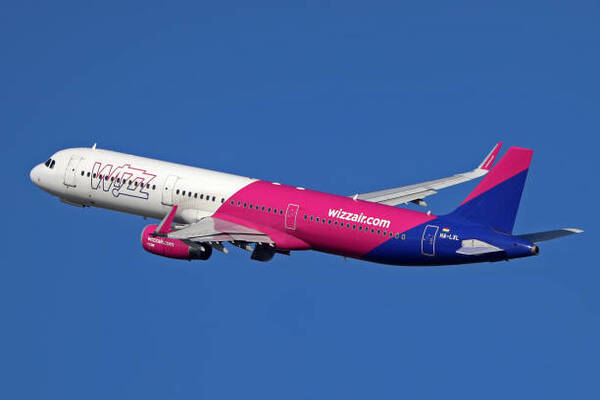
Wizz Air, Ryanair, EasyJet Ready To Exploit Dark Tourism Boom In Ukraine As War-Era Sites Spark Glob...
Article Summary:
Wizz Air, Ryanair, and easyJet are strategically preparing to expand their operations into Ukraine’s airspace, capitalizing on the country’s post-war reconstruction and the anticipated surge in dark tourism. This move is driven by the unique opportunity these low-cost carriers see in tapping into both the reconstruction efforts and the global curiosity surrounding war-era sites. The article highlights the potential for significant growth in this sector as millions of visitors are expected to travel to Ukraine in the coming years.
Key Points:
Actionable Takeaways:
Contextual Insights:
The article’s context is deeply rooted in the current geopolitical situation in Ukraine, which has led to a unique set of opportunities and challenges for the travel industry. The reopening of Ukraine’s airspace and the subsequent surge in dark tourism present a rare opportunity for low-cost carriers to diversify their offerings and tap into a previously untapped market segment. This aligns with broader industry trends where travel startups and fintech innovations are increasingly focusing on niche markets and experiential travel. The potential impact on travel startups and fintech innovations is significant, as these carriers could pioneer new business models that cater specifically to dark tourism and post-war reconstruction, leveraging technology to enhance the travel experience and streamline the booking process.
Read the Complete Article.
Boutique Travel VC raises investment cap from $1.5M to $10M to lead rounds and support portfolio companies through growth Travel...
Read moreDetails




