






















Travel Capitalist Ventures Expands Check Size to $10 Million to Deepen Emerging Market Conviction
Boutique Travel VC raises investment cap from $1.5M to $10M to lead rounds and support portfolio companies through growth Travel...
Read moreDetails
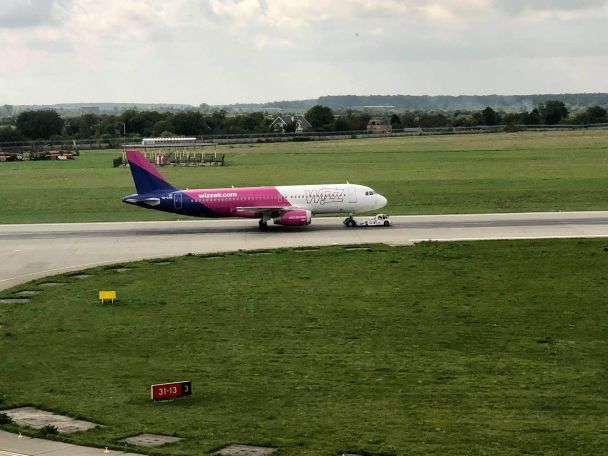
Wizz Air and Ryanair are preparing to return to Ukraine: when will flights reopen
Article Summary:
European budget airlines are set to resume flights to Ukraine following the signing of a peace agreement and the reopening of airspace. This development, as reported by the Financial Times, is anticipated to boost tourism and encourage people to return to the country. Wizz Air, a Hungarian budget airline, plans to deploy 15 aircraft in Ukraine within two years post-signing of the peace agreement, with a longer-term goal of expanding its presence over seven years.
Key Points:
Actionable Takeaways:
Contextual Insights:
The return of budget airlines to Ukraine is a direct response to recent geopolitical developments, specifically the signing of a peace agreement and the subsequent reopening of airspace. This event underscores the industry’s responsiveness to political and economic shifts, highlighting the sector’s resilience and adaptability. From a forward-looking perspective, this development aligns with broader travel industry trends, such as the increasing importance of affordable travel options and the role of technology in enhancing travel experiences. The focus on budget airlines also reflects a strategic shift towards making travel more accessible, which is a key consideration for thought leaders in the travel sector. Furthermore, the potential for increased tourism and investment in infrastructure suggests a positive outlook for Ukraine’s travel industry, positioning it as a promising destination for both domestic and international travelers.
Read the Complete Article.
Boutique Travel VC raises investment cap from $1.5M to $10M to lead rounds and support portfolio companies through growth Travel...
Read moreDetails




