




















Travel Capitalist Ventures Expands Check Size to $10 Million to Deepen Emerging Market Conviction
Boutique Travel VC raises investment cap from $1.5M to $10M to lead rounds and support portfolio companies through growth Travel...
Read moreDetails

Article Summary:
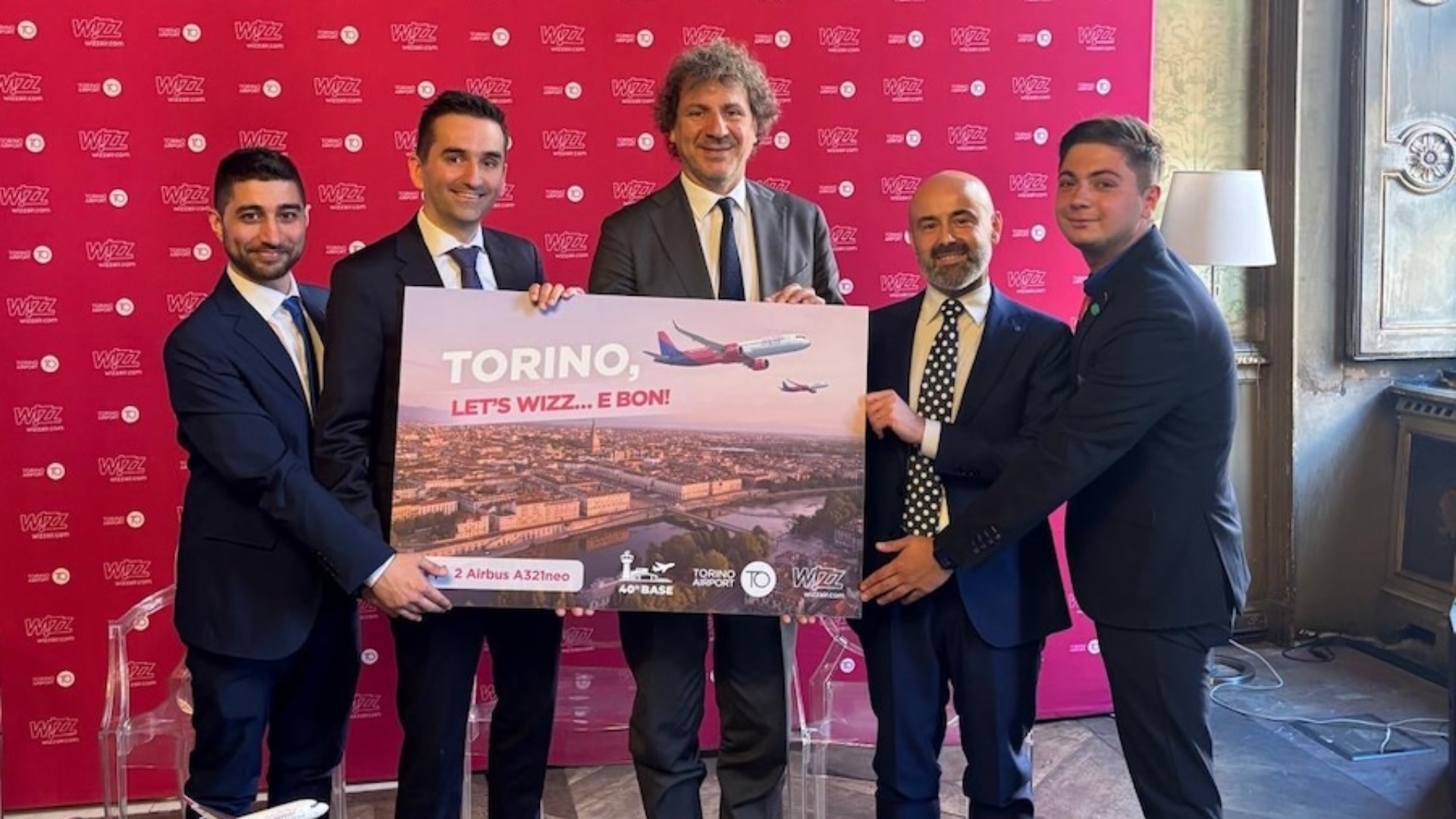
Wizz Air has announced a network restructuring plan that is expected to begin delivering financial benefits from the 2027 fiscal year. The restructuring involves opening new bases across Central and Eastern Europe (CEE) and exiting operations in Vienna and Abu Dhabi. The airline plans to launch bases in Warsaw Modlin, Bratislava, Tuzla, Podgorica, and Yerevan, each with two aircraft. These new bases are anticipated to provide partial cost improvements in the second half of the current financial year and more significant savings from March onwards.
Key Points:
Actionable Takeaways:
Contextual Insights:
The restructuring of Wizz Air’s network aligns with broader industry trends towards optimizing routes and bases to improve financial performance. As the travel industry continues to recover from the impacts of the COVID-19 pandemic, strategic expansions and exits are becoming more common as airlines seek to streamline operations and enhance profitability. The focus on Central and Eastern Europe reflects the growing importance of this region in global travel, driven by increasing demand for air travel and the expansion of low-cost carriers. Additionally, the exit from Vienna and Abu Dhabi may indicate a shift in strategic priorities, possibly towards regions with higher growth potential or more favorable operational conditions. This move underscores the need for travel companies to remain agile and responsive to market dynamics, leveraging technological advancements and innovative business models to stay competitive.
Read the Complete Article.
Boutique Travel VC raises investment cap from $1.5M to $10M to lead rounds and support portfolio companies through growth Travel...
Read moreDetails



