





















Travel Capitalist Ventures Expands Check Size to $10 Million to Deepen Emerging Market Conviction
Boutique Travel VC raises investment cap from $1.5M to $10M to lead rounds and support portfolio companies through growth Travel...
Read moreDetails
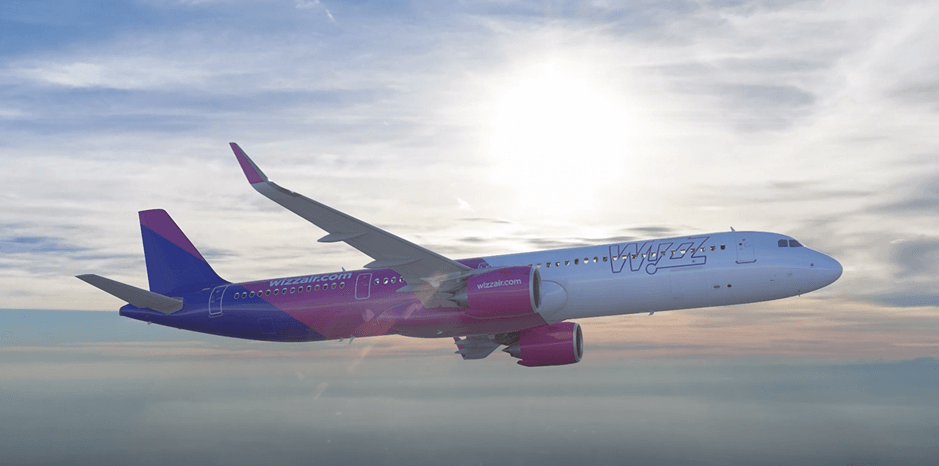
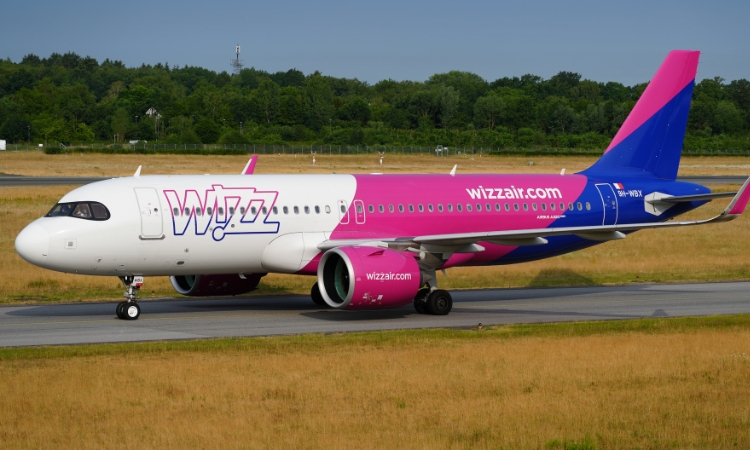
Wizz Air Reports 15.5% Passenger Growth In December 2025
Article Summary:
Wizz Air Holdings Plc (LON:WIZZ) reported a 15.5% increase in passenger numbers to 5.85 million in December 2025, with a 16.3% rise in capacity to 6.81 million seats. The load factor for the month was 85.9%, down 0.6 percentage points year-over-year. These figures indicate strong growth and strategic developments in Wizz Air’s product-enhancing and regional densification strategies.
Key Points:
Actionable Takeaways:
Contextual Insights:
The reported growth in Wizz Air’s passenger numbers and capacity aligns with broader trends in the travel industry, where companies are increasingly focusing on expanding their service offerings and expanding into new regions. The decline in the load factor, while minor, could be indicative of changing consumer preferences or market saturation in certain areas. This context is crucial for understanding the strategic decisions made by Wizz Air and similar companies. Furthermore, the emphasis on product enhancement and regional densification reflects a trend towards more personalized and accessible travel options, which is increasingly favored by modern travelers. This aligns with the growing demand for flexible and convenient travel solutions, as highlighted by thought leaders in the travel tech sector.
Read the Complete Article.
Boutique Travel VC raises investment cap from $1.5M to $10M to lead rounds and support portfolio companies through growth Travel...
Read moreDetails




