




















Travel Capitalist Ventures Expands Check Size to $10 Million to Deepen Emerging Market Conviction
Boutique Travel VC raises investment cap from $1.5M to $10M to lead rounds and support portfolio companies through growth Travel...
Read moreDetails
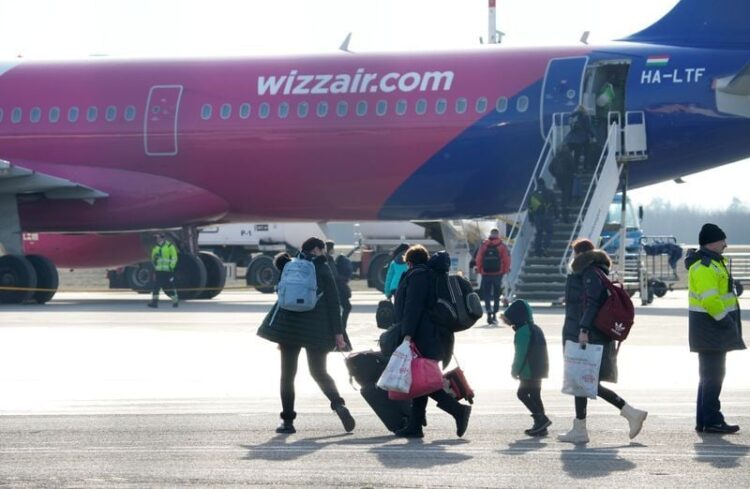
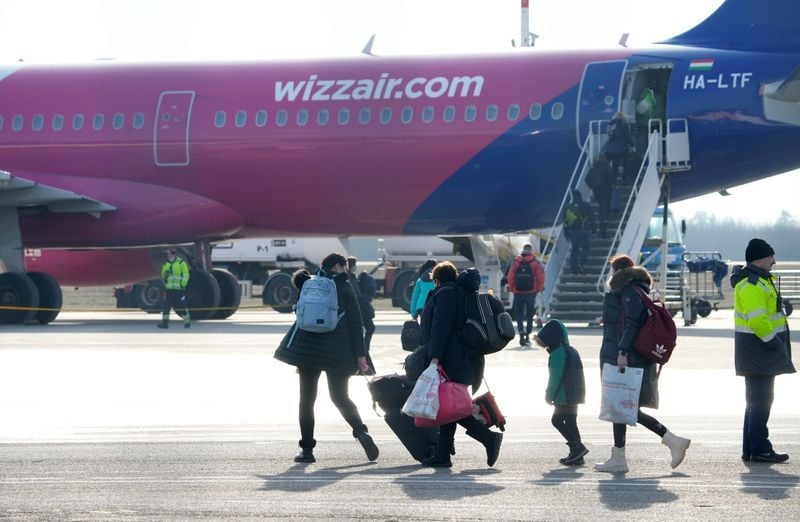
Wizz Air shares fall 6% in London after profit warning
Comprehensive Summarization:
The article discusses the impact of the crisis in the Middle East on Hungarian airline’s full-year results for fiscal 2026. The airline anticipates a negative impact of €50 million on its net profit due to operational disruptions caused by the crisis. These disruptions include flight cancellations and rerouting around the conflict zone, which are driving up costs. The stock of the airline fell sharply on the London Stock Exchange following this announcement. The article also touches on the broader travel industry trends and insights from thought leaders, highlighting the ongoing challenges faced by airlines in navigating geopolitical crises.
Key Points:
Actionable Takeaways:
Cost Management Strategies: Airlines should explore cost management strategies such as optimizing flight schedules, negotiating better terms with airports and ground handlers, and investing in fuel-efficient aircraft to mitigate the financial impact of geopolitical crises. Relevance: Directly addresses the financial challenges highlighted in the article and offers practical solutions to reduce costs.
Diversification of Routes: Airlines should consider diversifying their route networks to avoid conflict zones and reduce the risk of operational disruptions. Relevance: Aligns with the article’s discussion on the need for airlines to adapt their operations in response to the crisis, offering a proactive approach to minimize financial losses.
Investment in Technology: Airlines should invest in advanced travel technology and data analytics to improve operational efficiency and make informed decisions in real-time. Relevance: Leverages the insights from thought leaders on the importance of technology in navigating industry challenges, emphasizing its role in enhancing operational resilience.
Contextual Insights:
The crisis in the Middle East underscores the vulnerability of the travel industry to geopolitical events. The article reflects the broader trend of airlines facing increased operational challenges due to external factors, a theme echoed by recent industry reports and expert analyses. The sharp decline in the airline’s stock price highlights the immediate financial repercussions of such crises, emphasizing the need for robust risk management strategies. Looking forward, the integration of advanced travel technology and data analytics is crucial for airlines to enhance operational efficiency and adapt swiftly to changing geopolitical landscapes. This forward-looking perspective aligns with the latest travel trends, where technology and innovation are key drivers of resilience and competitiveness in the industry.
Read the Complete Article.
Boutique Travel VC raises investment cap from $1.5M to $10M to lead rounds and support portfolio companies through growth Travel...
Read moreDetails



Comprehensive Summarization: The article discusses the significant role of Africa's informal economy, which accounts for approximately 85% of the continent's...
Read moreDetails
