





















Travel Capitalist Ventures Expands Check Size to $10 Million to Deepen Emerging Market Conviction
Boutique Travel VC raises investment cap from $1.5M to $10M to lead rounds and support portfolio companies through growth Travel...
Read moreDetails
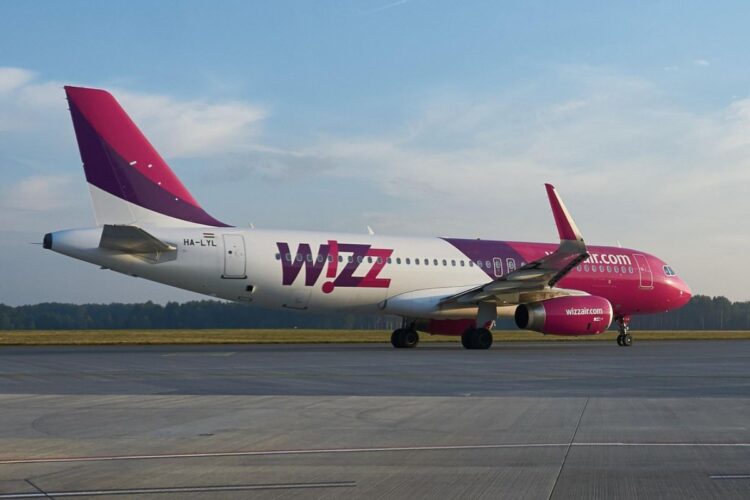
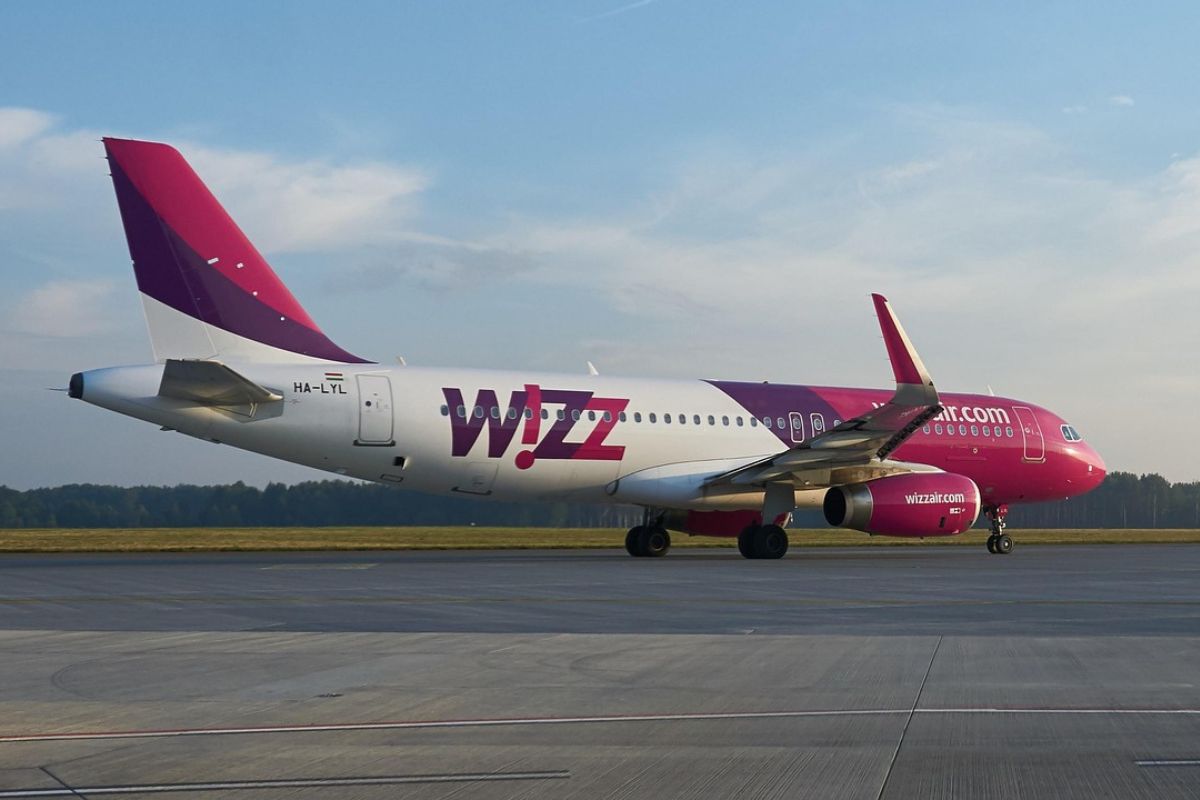
Short interest in Wizz Air has soared since the Iran war broke out
Comprehensive Summarization:
On Wednesday, 11 March 2026, the travel industry was shaken by a significant development involving budget airline Wizz Air. The company, listed on the FTSE 250, issued a profit warning due to disruptions caused by the Iran war, leading to a surge in short-selling activity. This has propelled Wizz Air to become the UK’s most shorted company, with its short interest rising from 9.59% last month to 14.61% in March. The article highlights the impact of geopolitical events on the travel sector, particularly the role of short-selling as a response to such disruptions.
Key Points:
Actionable Takeaways:
Contextual Insights:
The article underscores the interconnectedness of global events and the travel industry. The rise in short-selling of Wizz Air is a direct response to the geopolitical tensions stemming from the Iran war. This situation highlights the vulnerability of travel companies to external shocks and the importance of maintaining resilient business models. For thought leaders and industry stakeholders, this serves as a reminder of the need for continuous monitoring of geopolitical developments and their potential impact on market dynamics. Additionally, the surge in short-selling could influence investor sentiment towards travel stocks, potentially leading to increased volatility in the sector.
Read the Complete Article.
Boutique Travel VC raises investment cap from $1.5M to $10M to lead rounds and support portfolio companies through growth Travel...
Read moreDetails



Comprehensive Summarization: Ethiopian Airlines launched a new direct route from Hanoi to Bangkok on April 8, 2026, using Boeing 787-8...
Read moreDetails
