















Travel Capitalist Ventures Expands Check Size to $10 Million to Deepen Emerging Market Conviction
Boutique Travel VC raises investment cap from $1.5M to $10M to lead rounds and support portfolio companies through growth Travel...
Read moreDetails
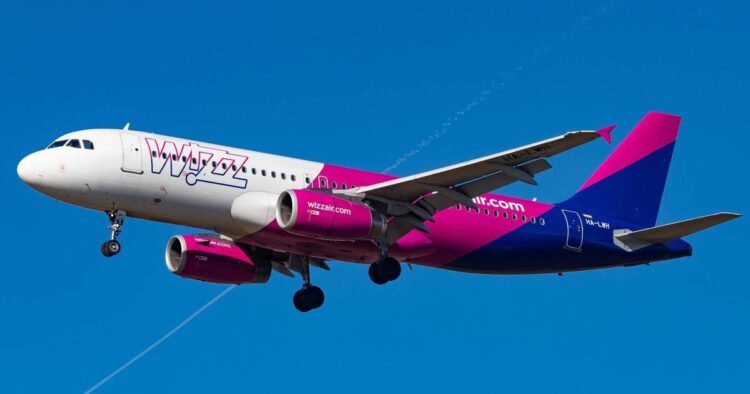
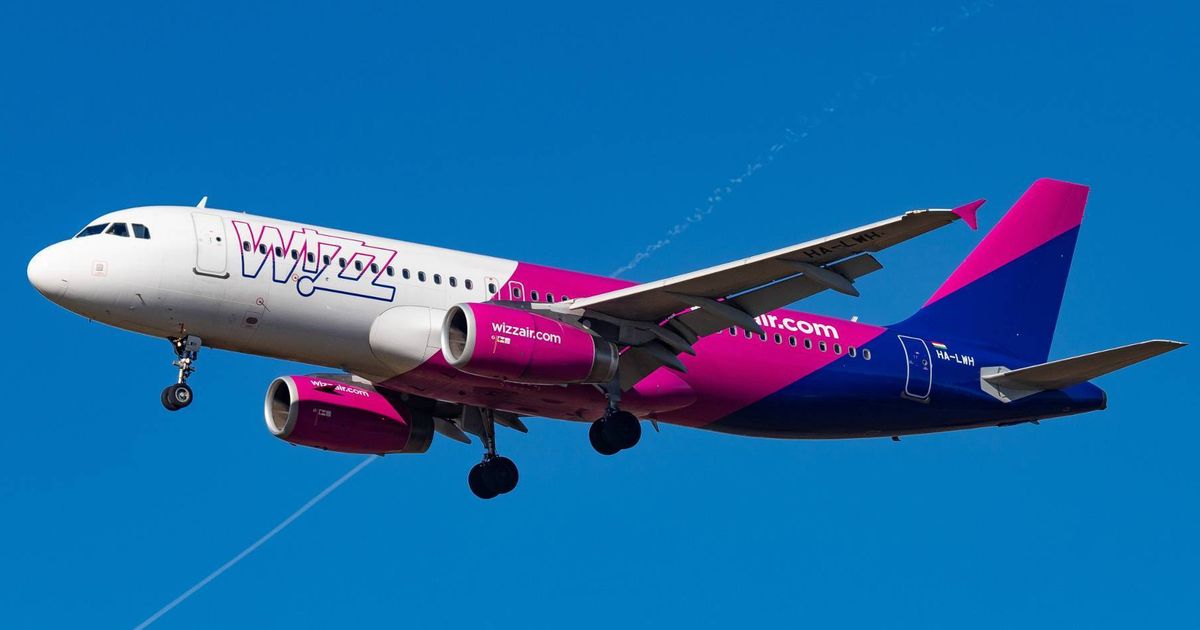
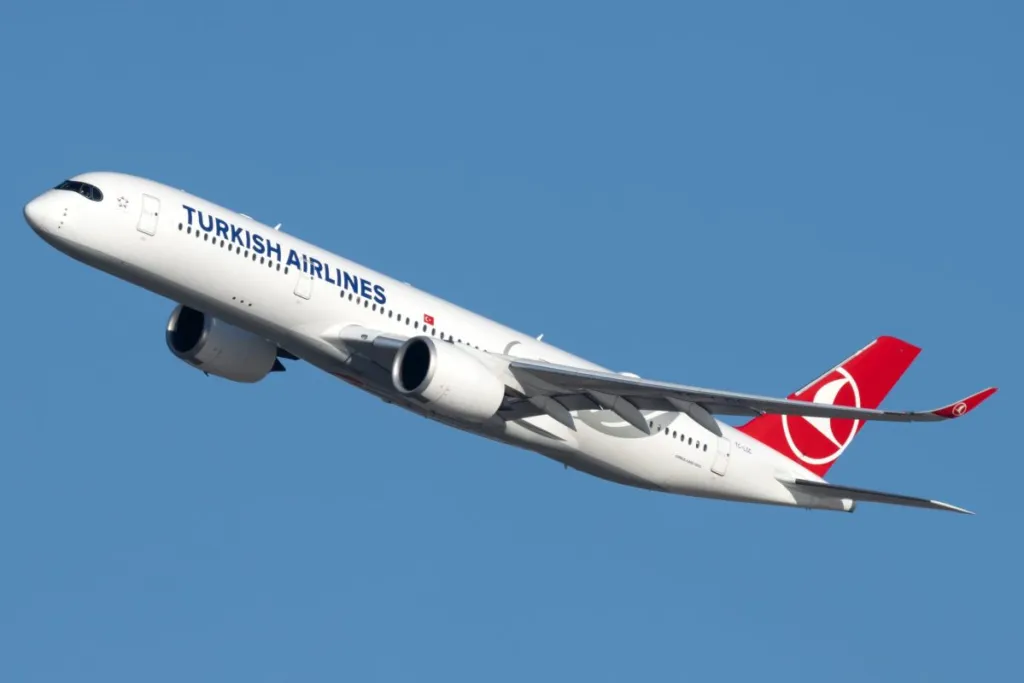
Wizz Air is just one of the airlines that has been forced to cancel or amend flights(Image: Getty Images)
Comprehensive Summarization:
Wizz Air, a budget carrier, has extended its flight cancellations due to the ongoing conflict in the Middle East. This update affects four destinations and has been issued for passengers who have holidays booked. The announcement comes from Amy Jones, a Senior Travel Journalist, and was published on 17:07, 04 Mar 2026, with an updated timestamp of 17:08, 04 Mar 2026. The article highlights the impact of geopolitical tensions on the travel industry, specifically focusing on how airlines are responding to the conflict by canceling or amending flights.
Key Points:
Actionable Takeaways:
Monitor Geopolitical Risks: Travel companies should closely monitor geopolitical developments, particularly in regions prone to conflict, to proactively manage risks and adjust travel plans accordingly. This is directly relevant as Wizz Air’s actions demonstrate the immediate impact of such events on flight operations.
Communicate Proactively with Passengers: Airlines should maintain transparent and timely communication with passengers regarding cancellations or changes. This not only helps in managing passenger expectations but also in maintaining trust and loyalty, which is crucial in the travel industry.
Explore Alternative Routes and Destinations: Given the volatility of the Middle East, airlines might consider diversifying their routes or offering alternative destinations to mitigate the impact of cancellations. This strategic move could help in retaining customer bookings and ensuring continuous revenue streams.
Contextual Insights:
The article reflects the current sensitivity of the travel industry to geopolitical tensions, particularly in regions like the Middle East, which are often at the center of international conflicts. Wizz Air’s decision to extend flight cancellations underscores the industry’s vulnerability to such events, which can disrupt travel plans and lead to significant financial implications for airlines. This situation highlights the need for travel companies to have robust contingency plans in place, including flexible booking policies and effective communication strategies with passengers.
In terms of broader industry trends, the incident emphasizes the growing importance of digital tools and technologies in managing travel disruptions. Innovations in travel tech, such as real-time flight tracking and automated communication systems, can play a crucial role in mitigating the impact of such disruptions. Furthermore, the event underscores the potential for fintech innovations to offer more flexible payment options and compensation structures for affected passengers, thereby enhancing customer satisfaction and loyalty.
Overall, the article provides a clear picture of how geopolitical conflicts can directly affect the travel industry, necessitating a proactive and adaptive approach from airlines and other stakeholders to navigate these challenges effectively.
Read the Complete Article.
Boutique Travel VC raises investment cap from $1.5M to $10M to lead rounds and support portfolio companies through growth Travel...
Read moreDetails



Comprehensive Summarization: The article discusses the significant role of Africa's informal economy, which accounts for approximately 85% of the continent's...
Read moreDetails
