


















Travel Capitalist Ventures Expands Check Size to $10 Million to Deepen Emerging Market Conviction
Boutique Travel VC raises investment cap from $1.5M to $10M to lead rounds and support portfolio companies through growth Travel...
Read moreDetails
Comprehensive Summarization:
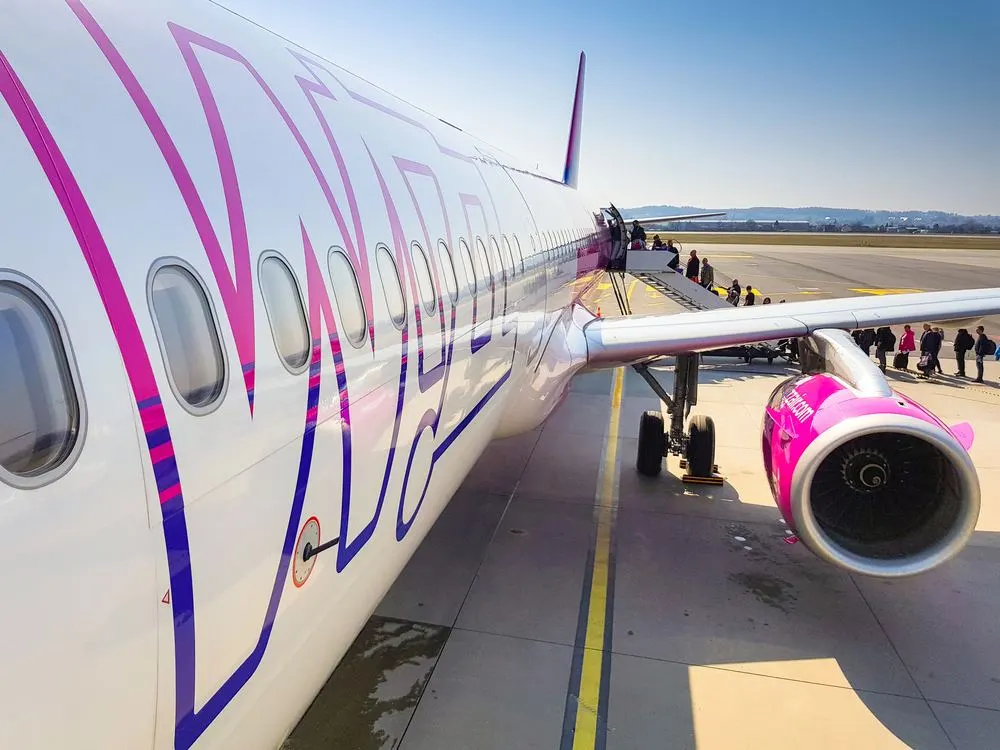
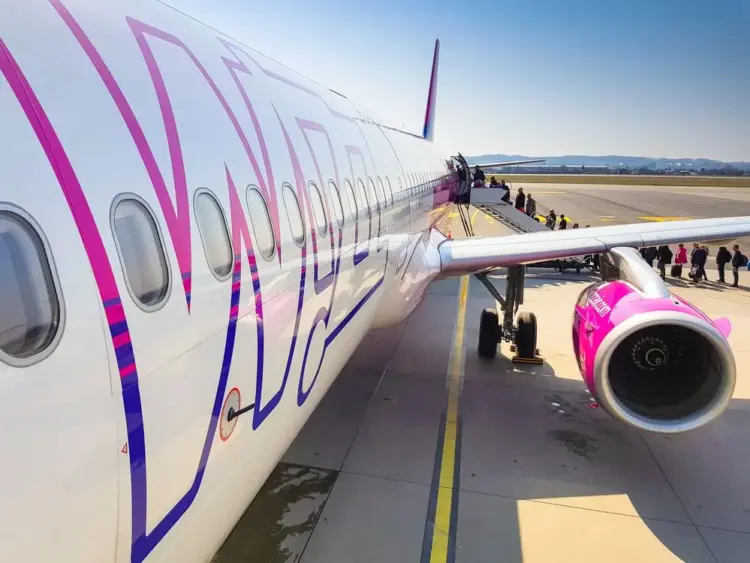
Wizz Air has announced that it will not operate flights to Israel, Dubai, Abu Dhabi, or Amman until next Sunday due to the ongoing conflict in Iran. This decision comes as the airline seeks to prioritize safety amidst the heightened tensions. In response to the suspension, Wizz Air is increasing the frequency of services between Sharm El Sheikh and Budapest, with up to 10 weekly flights available from Friday. This route is highlighted as the best connection in the Wizz Air network between Israel and Europe, offering travelers an alternative pathway during the suspension of flights to the Middle Eastern destinations. The article also touches on the broader travel trends and insights, emphasizing the importance of adaptability and innovation in the face of geopolitical challenges.
Key Points:
Actionable Takeaways:
Route Optimization: Wizz Air’s decision to increase flights between Sharm El Sheikh and Budapest provides travelers with an alternative route during the suspension of flights to Middle Eastern destinations. This move highlights the importance of route optimization and flexibility in travel planning, especially in times of geopolitical unrest.
Focus on Safety: The airline’s decision to suspend flights to certain destinations underscores the critical role of safety in travel planning. Travelers and businesses should prioritize airlines that demonstrate a commitment to safety and adaptability in response to global events.
Innovation in Travel Planning: The article highlights the need for innovation in travel planning, particularly in the face of geopolitical challenges. Travel agencies and tech startups can leverage this situation to develop new tools and services that help travelers navigate disruptions and find alternative routes efficiently.
Contextual Insights:
The suspension of Wizz Air flights to Israel, Dubai, Abu Dhabi, and Amman is a direct response to the ongoing conflict in Iran, reflecting the broader trend of travel disruptions caused by geopolitical tensions. This situation underscores the importance of adaptability in the travel industry, as airlines and travel service providers must quickly adjust their operations to ensure passenger safety and satisfaction. The focus on increasing services between Sharm El Sheikh and Budapest highlights a strategic shift towards optimizing routes that remain viable during periods of travel restrictions. This move not only provides travelers with alternative options but also demonstrates the airline’s commitment to maintaining connectivity in the region. From a broader perspective, this incident highlights the need for travel startups and fintech companies to innovate in areas such as route optimization, real-time travel advisories, and alternative routing solutions. By leveraging technology, these companies can help mitigate the impact of geopolitical events on travel planning and ensure a smoother experience for travelers navigating uncertain times.
Read the Complete Article.
Boutique Travel VC raises investment cap from $1.5M to $10M to lead rounds and support portfolio companies through growth Travel...
Read moreDetails



Comprehensive Summarization: The article discusses the significant role of Africa's informal economy, which accounts for approximately 85% of the continent's...
Read moreDetails
