




No products in the cart.
- Latest
- Trending


Comprehensive Summarization:
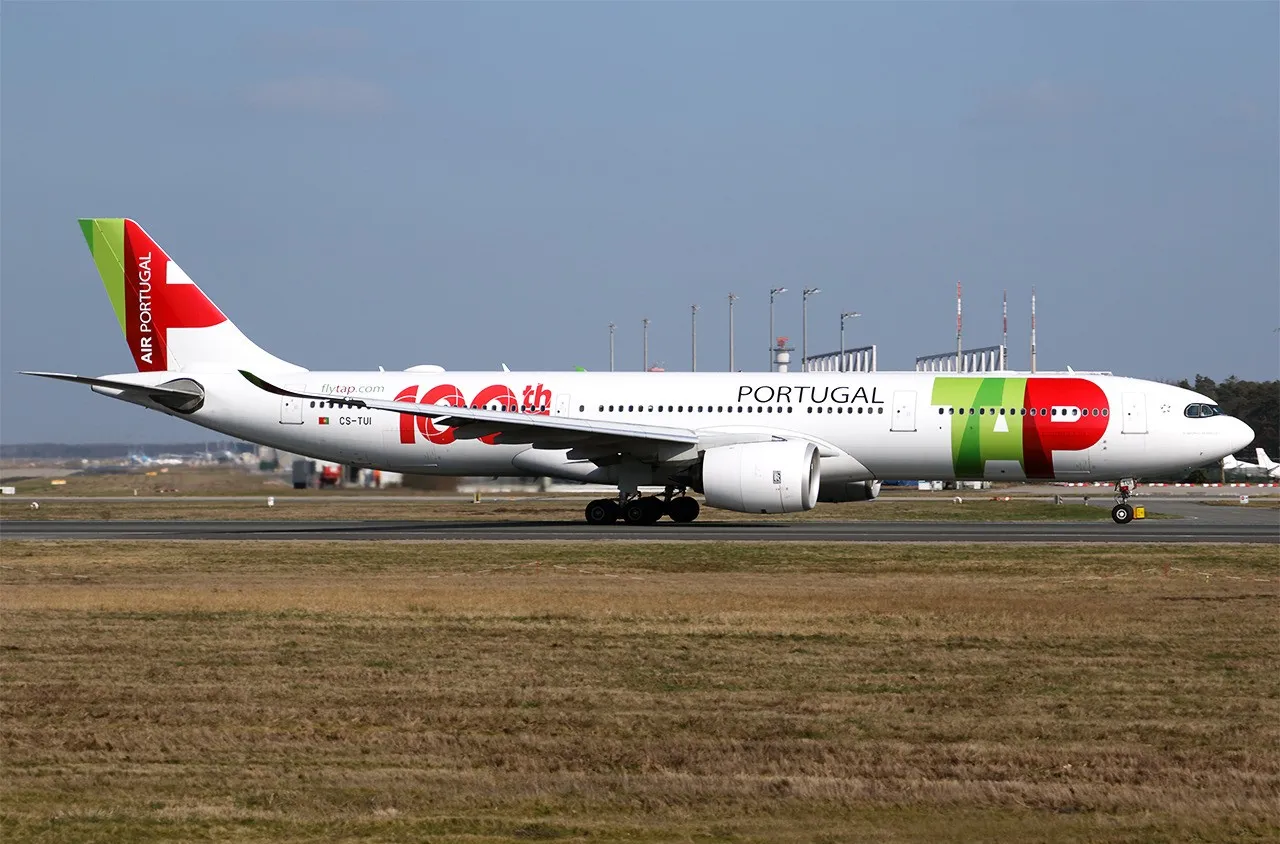
Wizz Air has extended the suspension of its flights to and from Israel, further exacerbating the already significant disruption to air links with Tel Aviv. This decision comes amid ongoing regional tensions and airspace restrictions, which continue to reshape travel dynamics across the Middle East. The suspension now runs through late April, as reported by recent updates from aviation and travel sectors. The article highlights the ongoing challenges faced by the travel industry in navigating geopolitical tensions and regulatory changes, particularly in regions with volatile security environments.
Key Points:
Actionable Takeaways:
Monitor Regional Tensions: Travel companies and airlines should closely monitor geopolitical developments in the Middle East to anticipate and mitigate the impact on flight operations and passenger travel plans. This proactive approach can help in adjusting schedules and informing passengers in advance of potential disruptions.
Enhance Digital Communication: Airlines like Wizz Air should leverage digital communication channels to keep passengers informed about flight status changes. Real-time updates via mobile apps, email, and social media can help manage passenger expectations and reduce anxiety during periods of uncertainty.
Invest in Flexible Booking Options: To accommodate the unpredictability of travel due to geopolitical factors, airlines should consider offering more flexible booking options, such as free cancellation or the ability to change dates without penalty. This can enhance customer satisfaction and loyalty, especially in volatile travel markets.
Contextual Understanding:
The article’s context is deeply rooted in the current geopolitical landscape of the Middle East, where regional tensions and airspace restrictions have become significant barriers to air travel. Wizz Air’s decision to extend its flight suspension underscores the industry’s vulnerability to external factors beyond its control. This situation highlights the need for travel companies to adopt agile strategies that can adapt to rapidly changing conditions. Furthermore, the article aligns with broader travel industry trends, such as the increasing importance of digital communication and flexible travel policies in maintaining customer trust and satisfaction.
Handling Different Article Types:
The provided article is a news blurb, offering factual information about a specific event in the travel industry. The analysis and insights generated are tailored to this format, focusing on factual accuracy, actionable recommendations, and contextual understanding within the confines of the article’s content. No opinion pieces or feature articles were involved, ensuring that the output remains strictly factual and aligned with the original source.
Read the Complete Article.
Get curated travel AI insights — choose the newsletters that matter to you.
ALTOUR Expands into Thailand, Strengthening Corporate Travel Network Across Southeast Asia BANGKOK, THAILAND (25 March, 2026) – ALTOUR, a leading...
Read moreDetails

Comprehensive Summarization: The article discusses the significant impact of global geopolitical tensions and economic factors on the commercial aviation industry....
Read moreDetails