























Travel Capitalist Ventures Expands Check Size to $10 Million to Deepen Emerging Market Conviction
Boutique Travel VC raises investment cap from $1.5M to $10M to lead rounds and support portfolio companies through growth Travel...
Read moreDetails

Wizz Air replaces TUI at Luton Airport - Travel Radar
Article Summary:
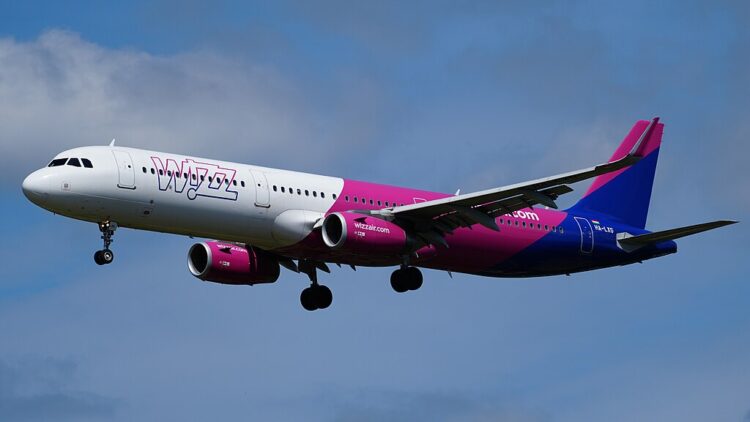
Wizz Air has announced the addition of six new flights from Luton Airport, following TUI’s decision to relocate from Luton to London Gatwick. This move positions Wizz Air as the leading carrier at Luton Airport, with the airline set to introduce Airbus A321 neo aircraft to the hub. The new destinations include Lyon, Yerevan, Alicante, Corfu, Faro, and other unspecified locations.
Key Points:
Actionable Takeaways:
Contextual Insights:
The relocation of TUI from Luton to London Gatwick underscores the dynamic nature of the European travel market, where airlines continually adjust their routes in response to market demands and competitive pressures. Wizz Air’s strategic move to capitalize on this shift highlights the importance of adaptability in the travel industry. The adoption of newer aircraft models, such as the Airbus A321 neo, reflects a broader industry trend towards sustainability and efficiency. As travel technology continues to evolve, innovations in fleet management and route optimization will likely play a crucial role in shaping future travel patterns and consumer preferences.
Read the Complete Article.
Boutique Travel VC raises investment cap from $1.5M to $10M to lead rounds and support portfolio companies through growth Travel...
Read moreDetails




