


















Travel Capitalist Ventures Expands Check Size to $10 Million to Deepen Emerging Market Conviction
Boutique Travel VC raises investment cap from $1.5M to $10M to lead rounds and support portfolio companies through growth Travel...
Read moreDetails
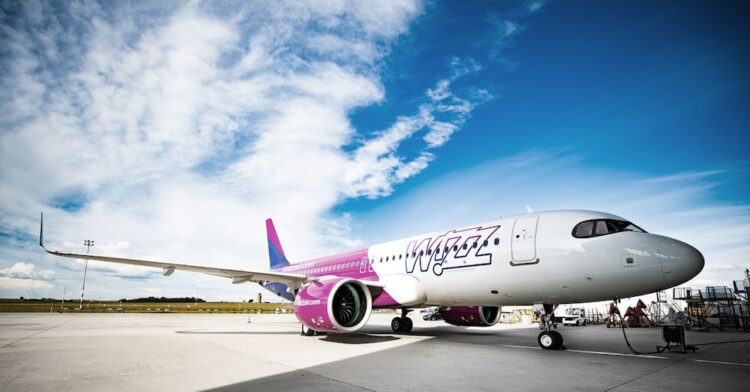
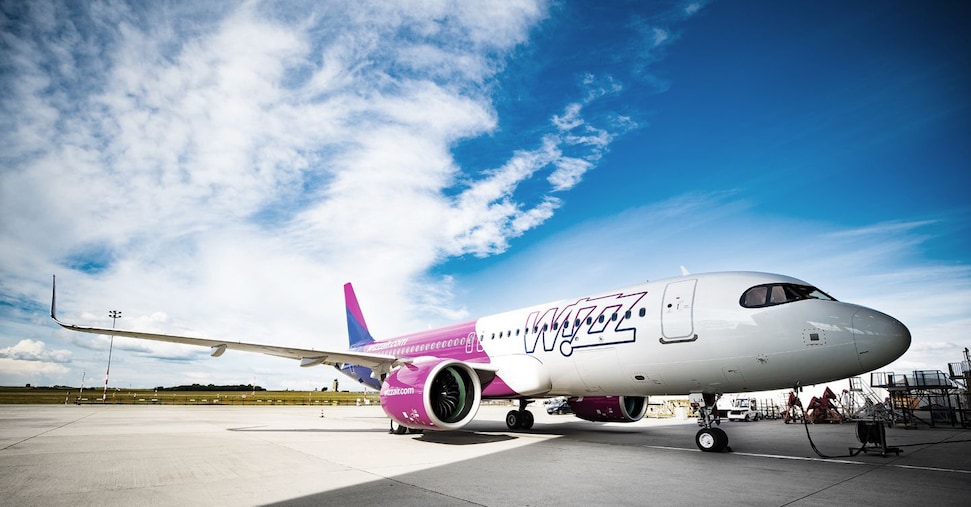
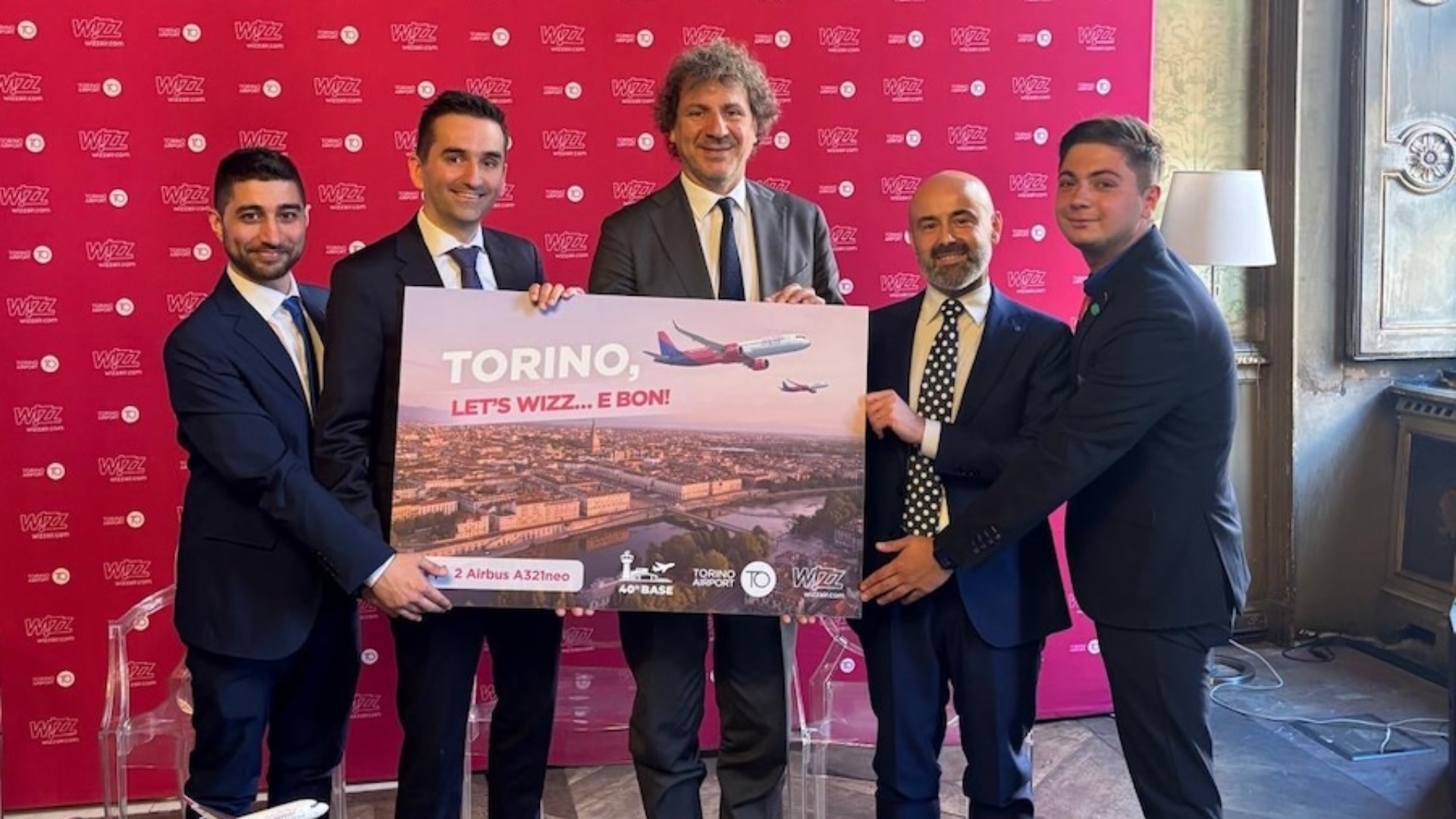
Wizz Air aims to become the second largest airline in Italy
Article Summary:
Wizz Air, a leading low-cost airline, has reported strong financial performance for the first six months of its financial year, ending in September. The airline’s operating profit reached €439.2 million, marking a 25.8% increase, while net profit rose by 2.6% to €323.5 million. Passenger numbers increased by 9.8% to 36.5 million, with total revenue hitting €3.3 billion, a 9% rise. A significant portion of this revenue, nearly half, came from ancillary services. The article also touches on broader travel industry trends and insights from thought leaders, highlighting the importance of ancillary revenues and the overall growth in passenger numbers.
Key Points:
Actionable Takeaways:
Contextual Insights:
The article reflects the current travel industry’s shift towards ancillary revenue streams, a trend accelerated by the post-pandemic recovery phase. As passenger numbers rebound, airlines are finding new ways to monetize their services beyond ticket sales. This aligns with broader industry insights that emphasize the importance of digital innovation and customer experience enhancements to drive revenue growth. Thought leaders suggest that airlines that invest in technology and customer-centric services will be better positioned to capitalize on these emerging revenue opportunities. The strong performance of Wizz Air in the first half of the year serves as a case study for other airlines to follow, particularly in leveraging ancillary services to boost profitability.
Read the Complete Article.
Boutique Travel VC raises investment cap from $1.5M to $10M to lead rounds and support portfolio companies through growth Travel...
Read moreDetails




