















Travel Capitalist Ventures Expands Check Size to $10 Million to Deepen Emerging Market Conviction
Boutique Travel VC raises investment cap from $1.5M to $10M to lead rounds and support portfolio companies through growth Travel...
Read moreDetails
Comprehensive Summarization:
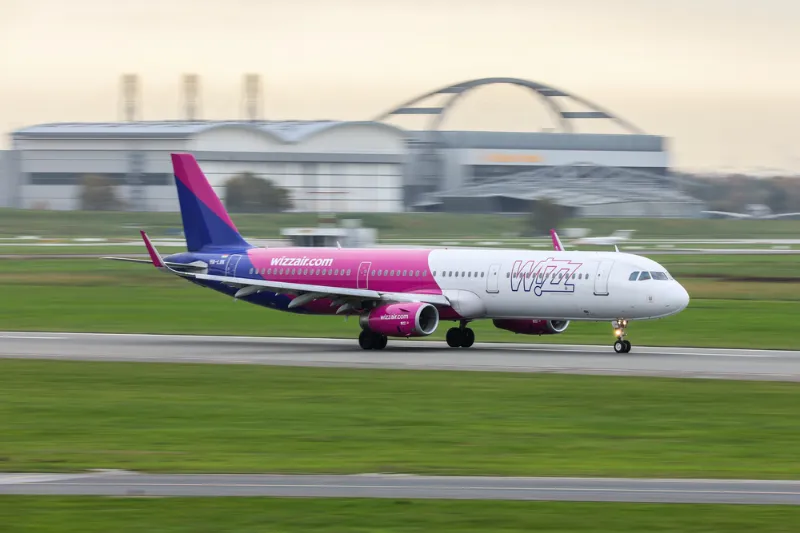
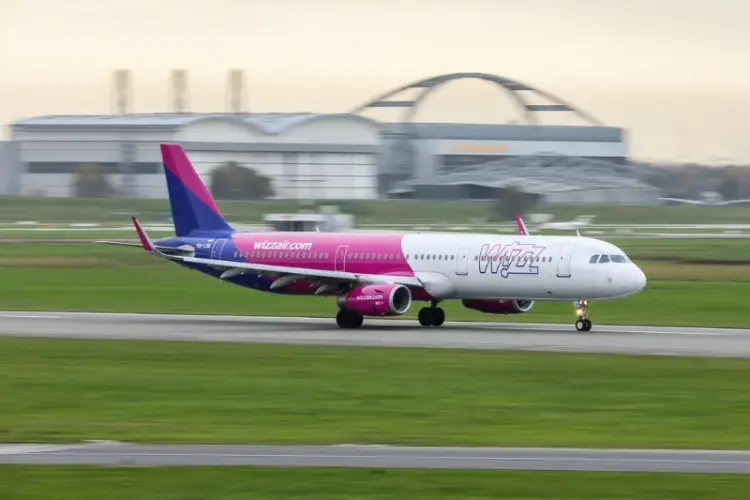
Hungarian low-cost carrier Wizz Air has suspended several of its Middle East services following Israel’s attack on Iran. This decision has disrupted travel plans for thousands of passengers across Europe, affecting routes to Tel Aviv, Dubai, Abu Dhabi, and Amman. The suspension is in force until at least March 7, 2026. The article highlights the rapidly deteriorating security situation in the region as the primary reason for the suspension, emphasizing the impact on European travelers and the airline’s operational adjustments.
Key Points:
Actionable Takeaways:
Reassess Travel Itineraries: Travel agencies and airlines should advise affected passengers to reassess their travel plans, particularly those with bookings to Tel Aviv, Dubai, Abu Dhabi, and Amman. This may involve offering alternative routes or rebooking options to mitigate the impact on travel plans.
Monitor Regional Security Developments: Travel industry stakeholders should closely monitor developments in the Middle East region. Given the rapid deterioration of the security situation, proactive monitoring can help in anticipating further disruptions and enabling timely adjustments to travel services and itineraries.
Enhance Communication with Passengers: Airlines and travel agencies should enhance communication with affected passengers. Providing clear, timely updates on the suspension and offering support for rebooking or alternative travel arrangements can help manage passenger expectations and reduce stress during uncertain times.
Contextual Understanding:
The suspension of Wizz Air’s Middle East services is a direct response to the escalating security situation in the region, specifically following Israel’s attack on Iran. This event underscores the vulnerability of air travel to geopolitical tensions and highlights the importance of real-time situational awareness in the travel industry. The decision to suspend services until at least March 7, 2026, reflects the airline’s cautious approach to managing potential risks associated with the ongoing conflict.
In the broader context of the travel industry, this incident highlights the need for robust contingency planning and flexible travel policies. The rapid response from Wizz Air demonstrates the sector’s ability to adapt to unforeseen circumstances, but it also emphasizes the importance of maintaining open lines of communication with passengers to manage expectations and minimize disruption.
Looking ahead, the incident serves as a reminder of the interconnectedness of global events and their potential impact on travel. As geopolitical tensions continue to evolve, the industry must remain vigilant and adaptable, leveraging technology and strategic planning to mitigate risks and ensure the safety and satisfaction of travelers. This situation also underscores the growing significance of travel tech solutions in managing disruptions and enhancing the resilience of travel services in the face of global challenges.
Read the Complete Article.
Boutique Travel VC raises investment cap from $1.5M to $10M to lead rounds and support portfolio companies through growth Travel...
Read moreDetails



Comprehensive Summarization: VINCI Airports has reaffirmed its commitment to collaborating with the Royal Government of Cambodia to further develop the...
Read moreDetails