
























Travel Capitalist Ventures Expands Check Size to $10 Million to Deepen Emerging Market Conviction
Boutique Travel VC raises investment cap from $1.5M to $10M to lead rounds and support portfolio companies through growth Travel...
Read moreDetails
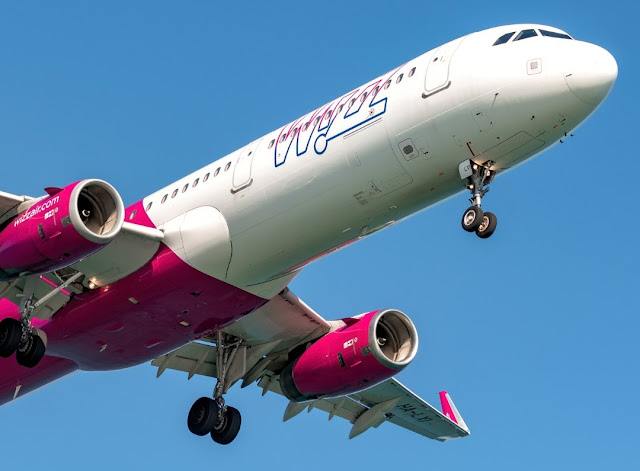
Wizz Air to replace Basel flights with Stuttgart for limited period
Article Summary:
Wizz Air, a low-cost carrier, will temporarily replace its Basel services with flights from Stuttgart to Banja Luka, Niš, Ohrid, and Tuzla for a one-month period between mid-April and mid-May. This change is due to runway works at Basel Airport, which will disrupt its current services. The new routes will commence on April 15 and operate five times per week until May 20. Operations to Tuzla will start on April 15, Ohrid on April 15 with three weekly flights, and Banja Luka will begin on April 22 with five weekly flights. The article also mentions that this move is part of Wizz Air’s strategy to adapt to operational challenges and maintain service continuity during airport maintenance.
Key Points:
Actionable Takeaways:
Operational Flexibility in Travel: Wizz Air’s decision to temporarily shift its Basel services to Stuttgart demonstrates the travel industry’s need for operational flexibility, especially during infrastructure maintenance. Airlines should proactively communicate such changes to passengers and explore alternative routes to minimize disruption.
Importance of Real-Time Communication: The article highlights the importance of timely communication with passengers regarding service changes. Airlines should leverage digital channels to inform travelers about route adjustments, schedules, and any associated fees, ensuring transparency and customer satisfaction.
Strategic Route Adjustments: Wizz Air’s introduction of new routes from Stuttgart to Southeastern Europe indicates a strategic shift in route planning to mitigate the impact of airport disruptions. Travel companies should continuously assess and adjust their route networks to adapt to external challenges and maintain service reliability.
Contextual Insights:
The article reflects broader trends in the travel industry, such as the increasing reliance on technology to manage operational challenges and the importance of agile responses to infrastructure disruptions. As airports worldwide undergo maintenance and upgrades, airlines must adopt flexible routing strategies to ensure continuity of service. This trend aligns with the growing emphasis on digital transformation in the travel sector, where real-time communication and data-driven decision-making are crucial for maintaining customer trust and operational efficiency.
Moreover, the article underscores the significance of route optimization in the face of unforeseen challenges. By introducing alternative routes, Wizz Air not only addresses immediate operational issues but also showcases its adaptability and commitment to customer service. This approach resonates with the industry’s shift towards innovative solutions that enhance travel experiences despite external disruptions.
In the context of emerging travel technologies, Wizz Air’s strategic move highlights the potential of digital platforms to facilitate seamless route adjustments and improve overall travel resilience. As the industry continues to evolve, such agility and foresight will be essential for airlines to navigate challenges and maintain competitive advantage.
Read the Complete Article.
Boutique Travel VC raises investment cap from $1.5M to $10M to lead rounds and support portfolio companies through growth Travel...
Read moreDetails




