























Travel Capitalist Ventures Expands Check Size to $10 Million to Deepen Emerging Market Conviction
Boutique Travel VC raises investment cap from $1.5M to $10M to lead rounds and support portfolio companies through growth Travel...
Read moreDetails
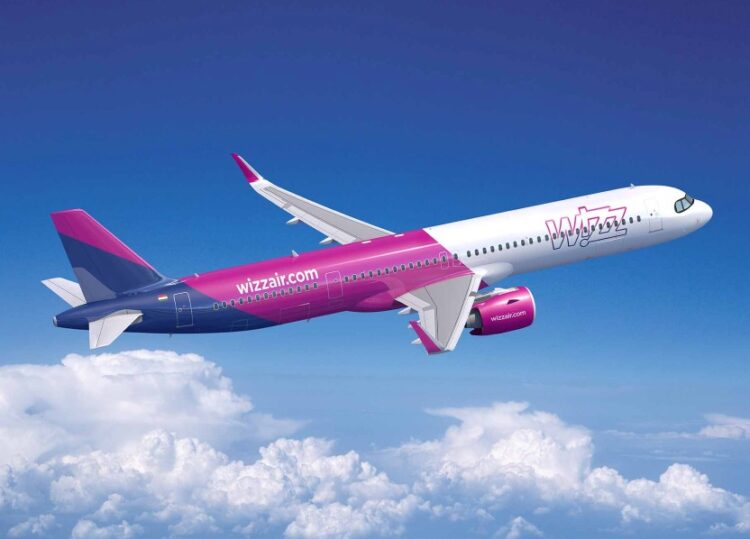
Wizz Air Outshines Frontier, Pegasus, Volaris, Jetstar, Transavia, Cebu Pacific in the List of Globa...
Article Summary:
Wizz Air has recently been ranked as the airline with the lowest carbon emissions globally, surpassing competitors such as Frontier, Pegasus, Volaris, Jetstar, Transavia, and Cebu Pacific. This achievement was highlighted in a new update published on November 12, 2025, by Tuhin Sarkar on Travel and Tour World. The article emphasizes Wizz Air’s major expansion in Montenegro and its significant impact on the aviation industry’s environmental efforts.
Key Points:
Actionable Takeaways:
Contextual Insights:
The ranking of Wizz Air as the airline with the lowest carbon emissions reflects a broader industry trend towards sustainability and environmental responsibility. Recent years have seen increased scrutiny on the aviation industry’s carbon footprint, with regulatory bodies and consumers alike pushing for more eco-friendly practices. Wizz Air’s success in this area not only positions the airline as a leader in environmental stewardship but also underscores the growing importance of sustainability in the travel sector. This development aligns with the increasing consumer preference for eco-conscious travel options and the push for greener technologies in the aviation sector. As the industry continues to evolve, airlines that prioritize sustainability are likely to gain a competitive advantage, attracting environmentally conscious travelers and potentially benefiting from regulatory incentives aimed at reducing carbon emissions.
Read the Complete Article.
Boutique Travel VC raises investment cap from $1.5M to $10M to lead rounds and support portfolio companies through growth Travel...
Read moreDetails




