




















Travel Capitalist Ventures Expands Check Size to $10 Million to Deepen Emerging Market Conviction
Boutique Travel VC raises investment cap from $1.5M to $10M to lead rounds and support portfolio companies through growth Travel...
Read moreDetails
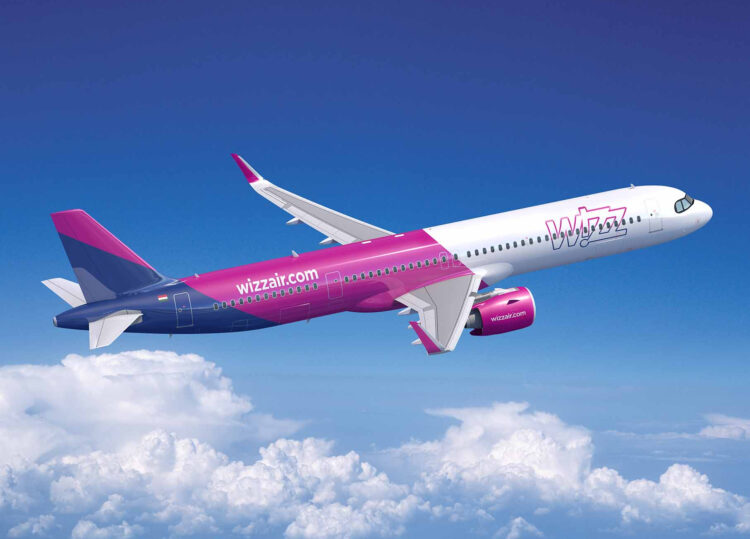
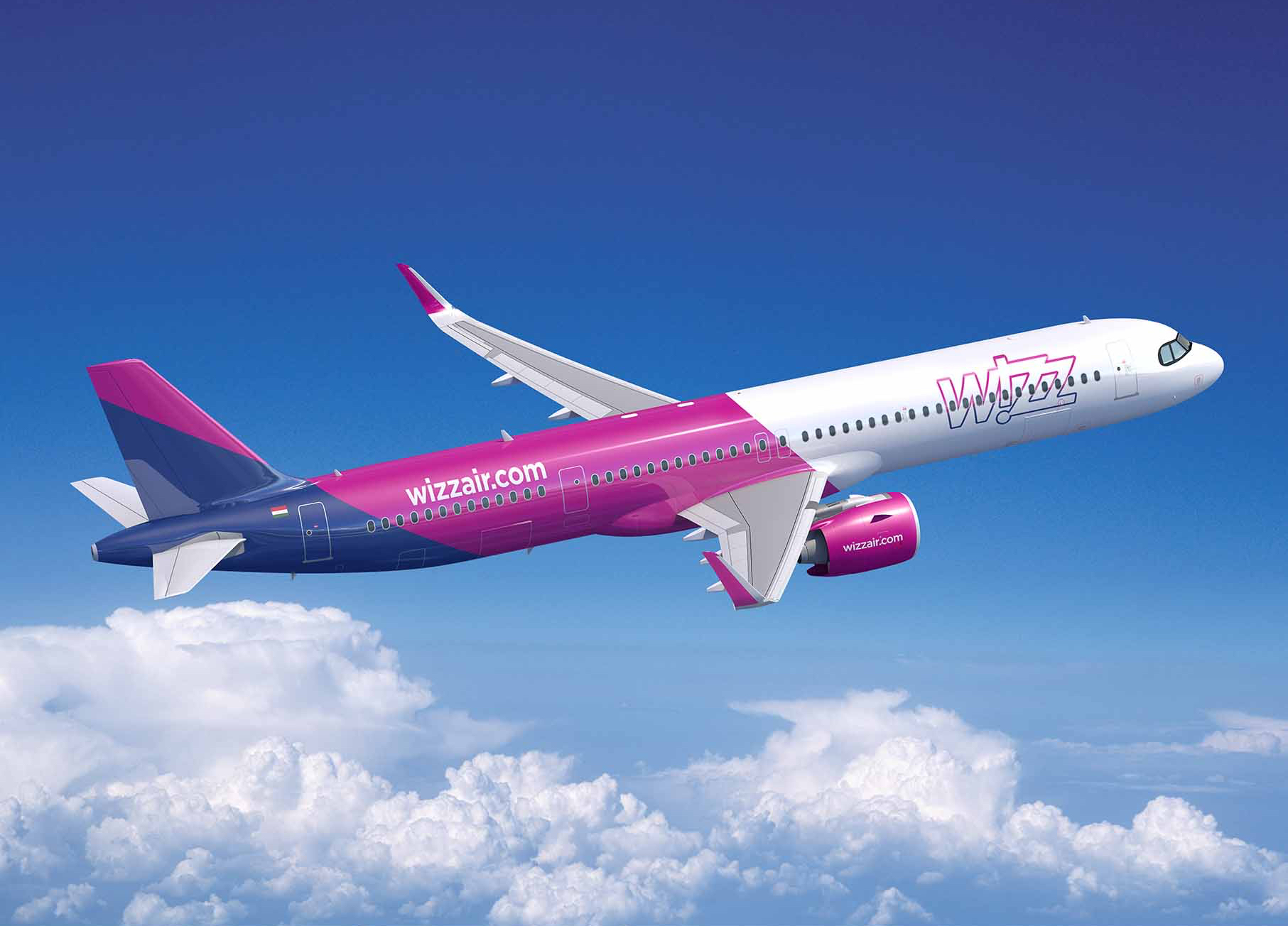
Wizz Air seeks U.S. approval to open flights to U.S. destinations © Wizz Air
Comprehensive Summarization:
Wizz Air UK has submitted an application to the U.S. Department of Transportation (DOT) for authorization to commence transatlantic flights to various U.S. destinations. This move by the budget carrier signifies a significant step towards expanding its international reach, potentially tapping into the lucrative U.S. market. The article provides a snapshot of the airline’s strategic ambitions and the regulatory landscape it navigates to achieve this expansion.
Key Points:
Actionable Takeaways:
Market Expansion Opportunity: Wizz Air’s application to launch transatlantic flights presents a significant opportunity for market expansion in the U.S. This move could enhance the airline’s competitiveness in the budget carrier sector and attract a broader customer base seeking affordable transatlantic travel options.
Regulatory Compliance and Approval: The application underscores the importance of navigating complex regulatory environments to enter new markets. For other travel companies looking to expand internationally, understanding and complying with regulatory requirements is crucial for successful market entry.
Contextual Insights:
The move by Wizz Air UK to seek approval for transatlantic flights reflects broader trends in the travel industry towards globalization and market expansion. As budget carriers continue to seek new routes and destinations, regulatory approvals become a critical factor in determining the feasibility of such expansions. This development also highlights the ongoing importance of technological advancements in travel tech, which can streamline operations and enhance customer experiences in competitive markets. The article aligns with current industry trends, emphasizing the need for strategic planning, regulatory compliance, and technological innovation to succeed in the evolving travel landscape.
Read the Complete Article.
Boutique Travel VC raises investment cap from $1.5M to $10M to lead rounds and support portfolio companies through growth Travel...
Read moreDetails



Comprehensive Summarization: Lemon Tree Hotels Ltd has announced the signing of Lemon Tree Hotel, Simara, Nepal, as part of its...
Read moreDetails
