























Travel Capitalist Ventures Expands Check Size to $10 Million to Deepen Emerging Market Conviction
Boutique Travel VC raises investment cap from $1.5M to $10M to lead rounds and support portfolio companies through growth Travel...
Read moreDetails
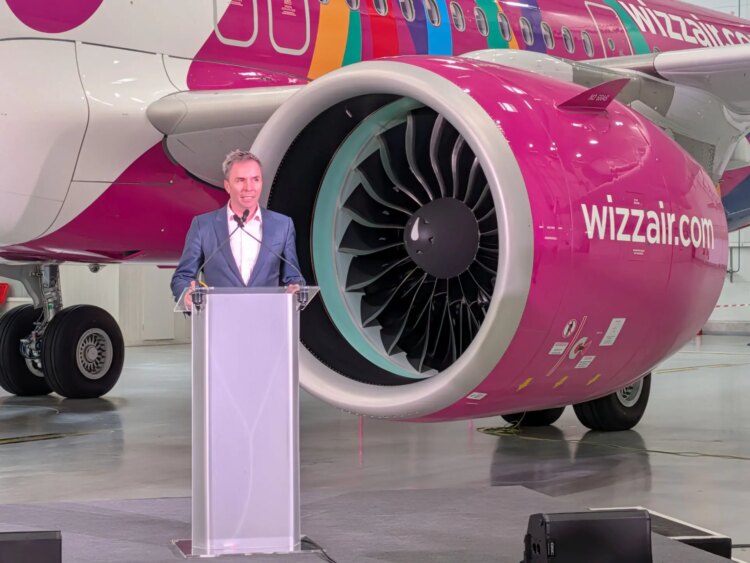
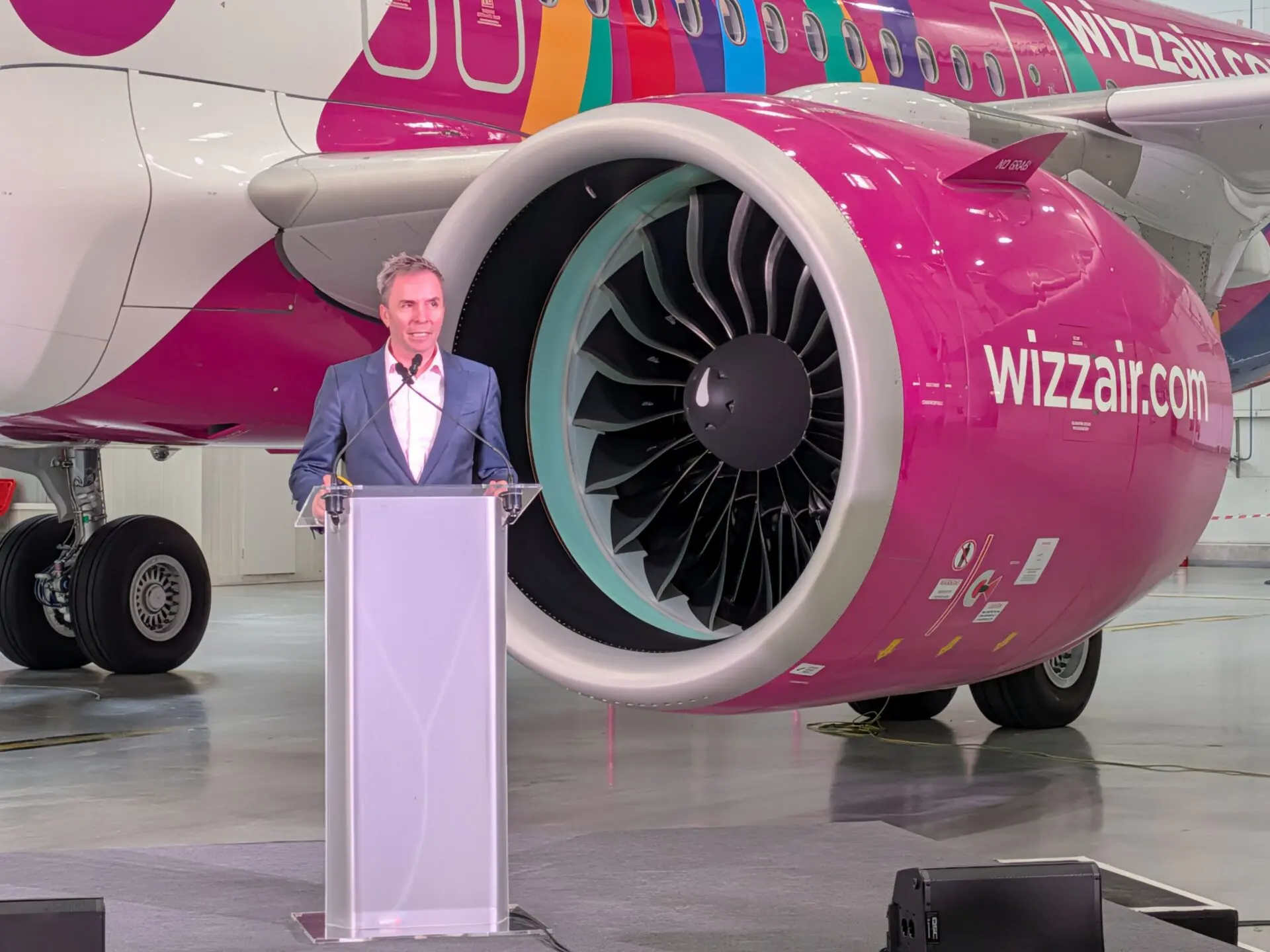
Wizz Air CEO József Váradi speaks in front of the latest plane in its one-off livery.
Article Summary:
Wizz Air, a Hungarian low-cost airline, has announced the addition of its 250th aircraft, marking a significant milestone in the company’s rapid expansion since its inception in September 2003. This achievement is accompanied by a strategic goal to operate a fleet of 500 planes within the next decade, aiming to make air travel more accessible across Europe and beyond.
Key Points:
Actionable Takeaways:
Contextual Insights:
The announcement of Wizz Air’s 250th aircraft and its ambitious fleet expansion goal reflects broader trends in the travel industry, including the increasing demand for affordable and convenient travel options. The airline’s strategy aligns with the current emphasis on accessibility and innovation in air travel, driven by technological advancements and changing consumer preferences. As the industry continues to evolve, companies that prioritize fleet expansion, technological innovation, and customer accessibility are likely to gain a competitive edge. This approach not only meets the current market demands but also positions airlines to capitalize on emerging opportunities in the sector, particularly in the realms of travel tech and fintech, where efficiency and customer-centric solutions are paramount.
Read the Complete Article.
Boutique Travel VC raises investment cap from $1.5M to $10M to lead rounds and support portfolio companies through growth Travel...
Read moreDetails




