























Travel Capitalist Ventures Expands Check Size to $10 Million to Deepen Emerging Market Conviction
Boutique Travel VC raises investment cap from $1.5M to $10M to lead rounds and support portfolio companies through growth Travel...
Read moreDetails
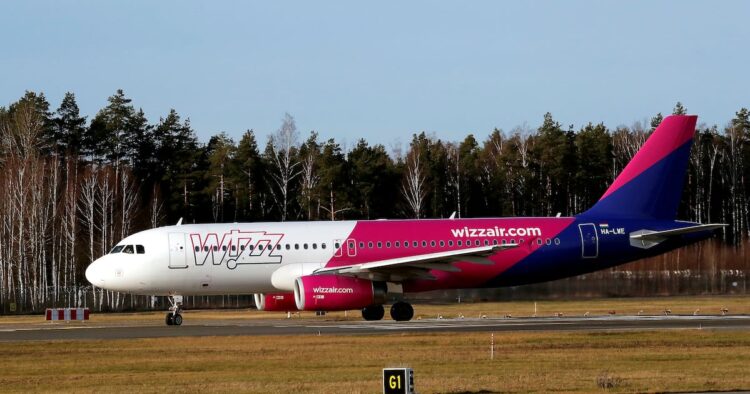
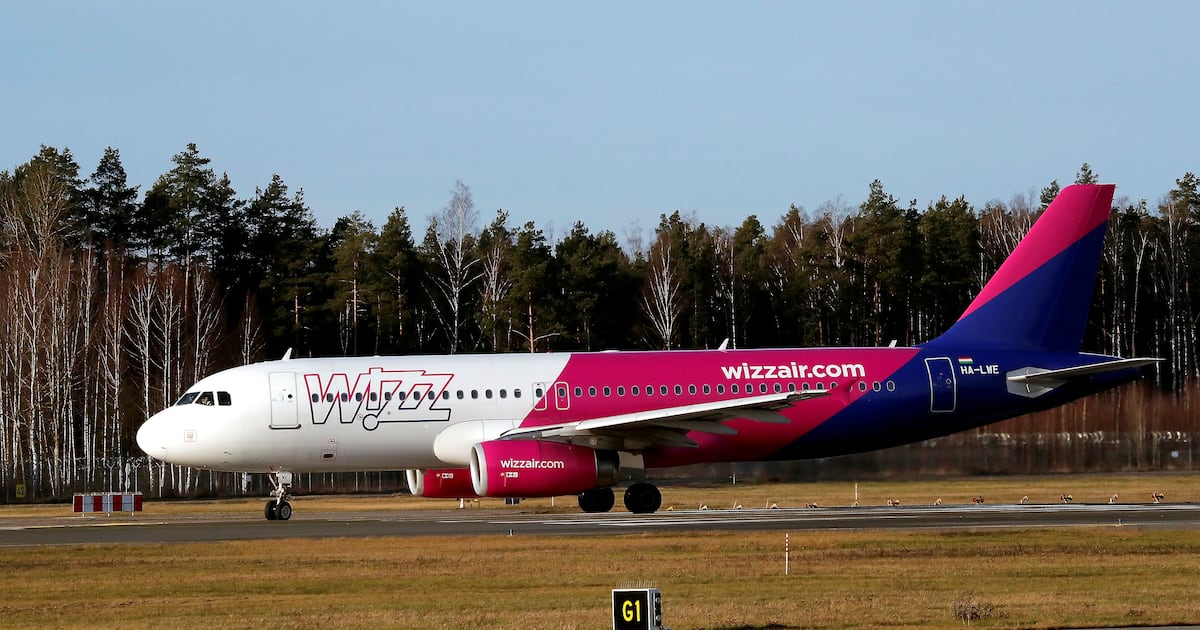
The ultra-low cost carrier plans to base 10 aircraft in Israel. EPA-EFE
Article Summary:
Wizz Air is planning to establish a base in Israel to capitalize on the growing demand for low-cost carriers, following the retreat of competitors Ryanair and easyJet from the Israeli market. This move is seen as an opportunity to exploit a market gap, but analysts warn of significant risks due to high operational costs, security concerns, and geopolitical volatility in the Israeli aviation market. The decision comes after Wizz Air announced its exit from Abu Dhabi operations in July.
Key Points:
Actionable Takeaways:
Contextual Insights:
The article reflects the ongoing shifts in the global aviation market, particularly the rise of low-cost carriers and the challenges they face in emerging markets. The strategic move by Wizz Air to enter the Israeli market underscores the competitive dynamics within the low-cost carrier sector. As geopolitical tensions continue to influence travel and trade, airlines must navigate these complexities carefully. The trend towards low-cost travel is likely to persist, driven by consumer demand for affordable options, and companies must innovate to maintain a competitive edge. This analysis aligns with current industry trends, emphasizing the importance of strategic planning and risk management in the travel sector.
Read the Complete Article.
Boutique Travel VC raises investment cap from $1.5M to $10M to lead rounds and support portfolio companies through growth Travel...
Read moreDetails




