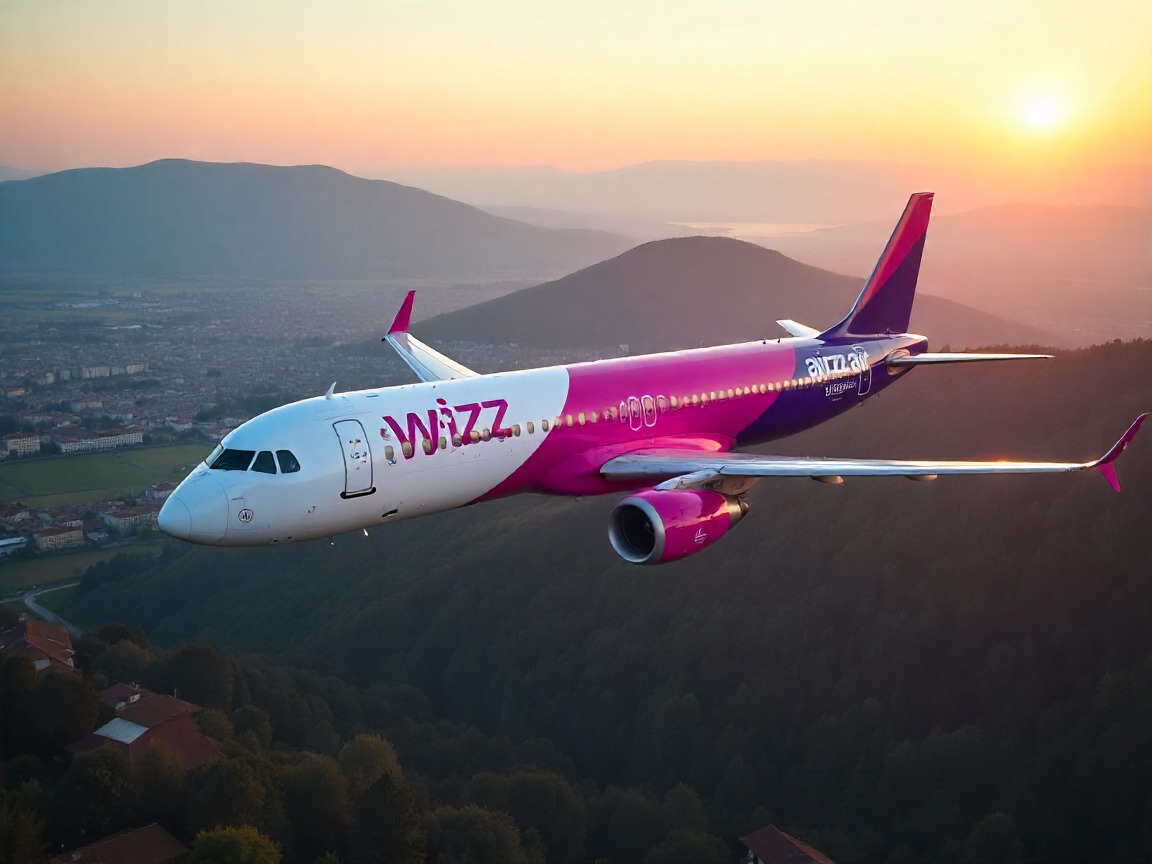
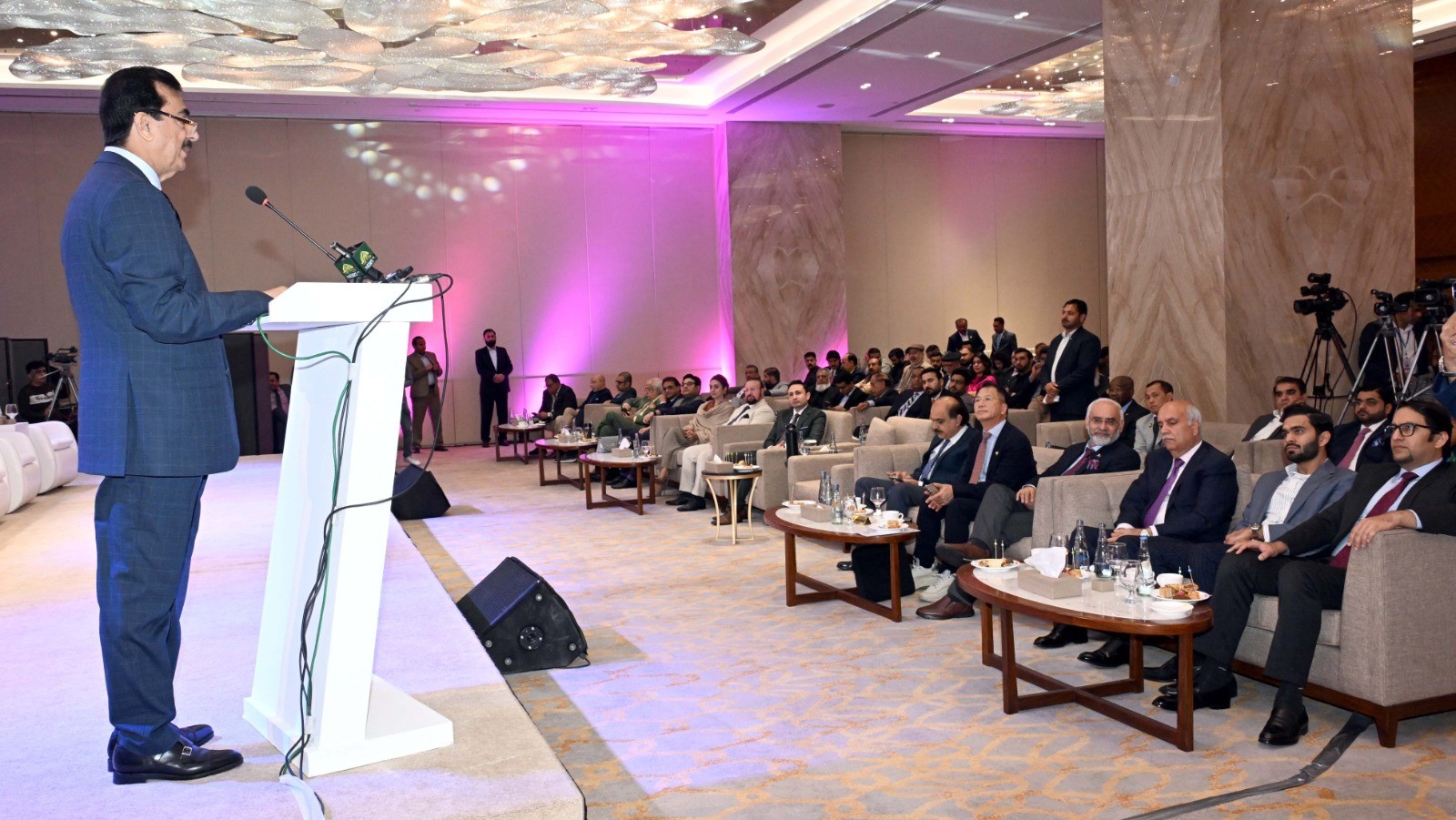


























Travel Capitalist Ventures Expands Check Size to $10 Million to Deepen Emerging Market Conviction
Boutique Travel VC raises investment cap from $1.5M to $10M to lead rounds and support portfolio companies through growth Travel...
Read moreDetails
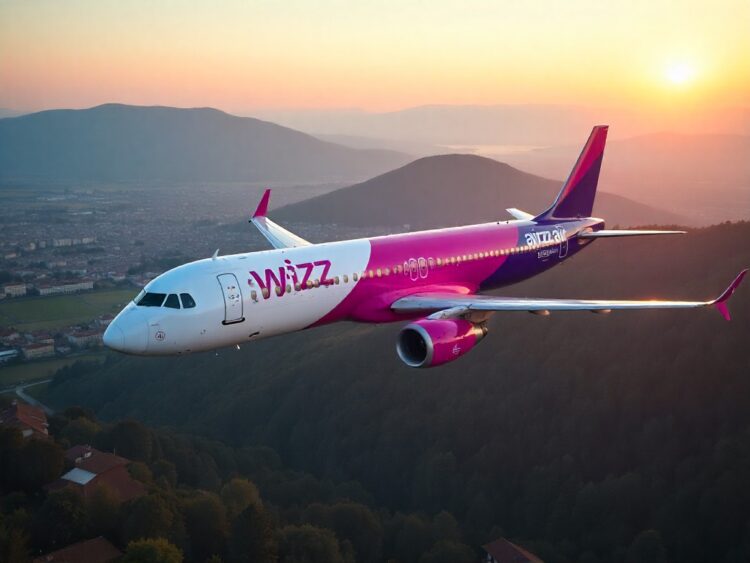
Wizz Air’s Explosive Expansion: New Routes, Game-Changing Aircraft, and Suceava Base Revitalization ...
Article Summary:
Wizz Air, a leading low-cost carrier, is undergoing an explosive expansion that includes the addition of new routes, the introduction of game-changing aircraft, and the revitalization of its Suceava base. These strategic moves are set to significantly reshape Europe’s travel landscape by 2026. The airline’s efforts aim to unlock new travel opportunities and enhance connectivity across the continent, positioning itself as a key player in the evolving travel industry.
Key Points:
New Routes and Aircraft: Wizz Air is expanding its European network by adding new routes, which will increase travel options for passengers and potentially boost tourism in previously less accessible destinations.
Game-Changing Aircraft: The introduction of advanced aircraft is expected to improve operational efficiency and passenger experience, aligning with industry trends towards more sustainable and technologically advanced air travel solutions.
Suceava Base Revitalization: The revitalization of Wizz Air’s Suceava base is a strategic move to strengthen its European operations, potentially leading to improved connectivity and service quality for passengers traveling through this region.
Actionable Takeaways:
Strategic Expansion for Market Penetration: Wizz Air’s expansion into new routes and the revitalization of its Suceava base indicate a strategic move to penetrate new markets and enhance service offerings. For travel industry stakeholders, this suggests a growing trend towards aggressive market expansion and the importance of diversifying routes to capture new customer bases.
Investment in Advanced Aircraft: The adoption of game-changing aircraft highlights the industry’s shift towards more efficient and sustainable aviation technologies. Companies in the travel sector should consider investing in or partnering with airlines that are at the forefront of aircraft innovation to stay competitive and meet evolving passenger expectations for comfort and sustainability.
Focus on Regional Connectivity: The revitalization of the Suceava base underscores the importance of regional connectivity in the travel industry. Stakeholders should explore opportunities to enhance regional air travel infrastructure to support broader tourism and business travel goals, particularly in areas that are becoming increasingly important for European tourism in 2026.
Contextual Insights:
Wizz Air’s strategic initiatives reflect broader trends in the travel industry, such as the increasing demand for connectivity and the push towards sustainable aviation practices. The airline’s focus on expanding its European network aligns with the growing interest among travelers in exploring new destinations and the need for airlines to adapt to changing consumer preferences. Furthermore, the revitalization of its Suceava base is indicative of a broader industry trend where airlines are re-evaluating and optimizing their operational hubs to improve efficiency and service quality.
In the context of current industry trends, Wizz Air’s expansion is likely to have a significant impact on travel startups and fintech innovations. As airlines continue to invest in new routes and technologies, there is a growing opportunity for startups to develop solutions that enhance the travel experience, such as advanced booking platforms, seamless payment systems, and integrated travel management tools. These innovations can help airlines like Wizz Air maintain a competitive edge and meet the evolving needs of modern travelers.
Overall, Wizz Air’s strategic moves are poised to reshape Europe’s travel landscape by 2026, emphasizing the importance of connectivity, technological advancement, and regional focus in the travel industry. Stakeholders should closely monitor these developments to capitalize on emerging opportunities and adapt their strategies accordingly.
Read the Complete Article.
Boutique Travel VC raises investment cap from $1.5M to $10M to lead rounds and support portfolio companies through growth Travel...
Read moreDetails




