






No products in the cart.
- Latest
- Trending


Growing demand for cultural and nature-based experiences is driving Asia’s outbound adventure travel market
Comprehensive Summarization:
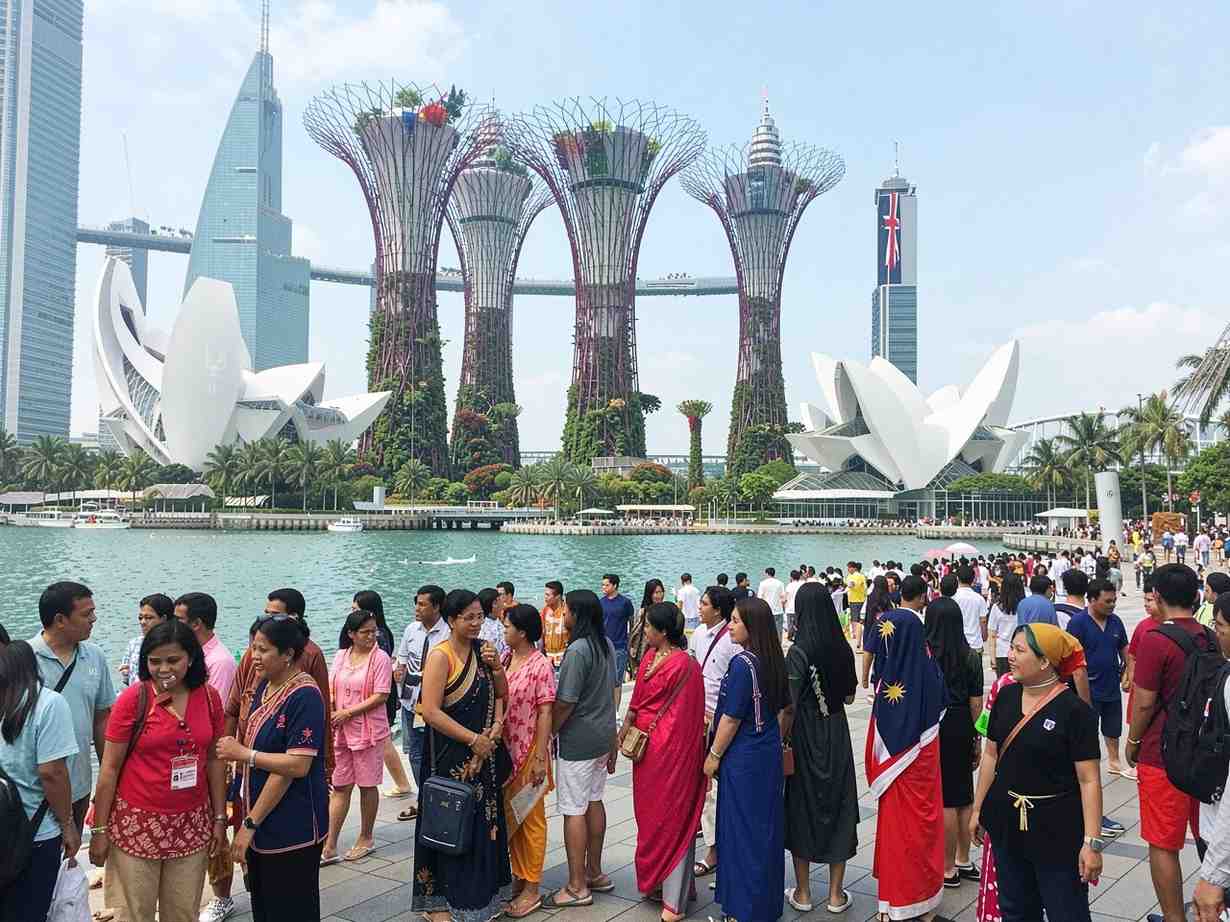
The article highlights Asia’s growing significance in the global adventure travel market, with outbound demand estimated at US$424 billion. According to the Adventure Travel Trade Association (ATTA), supported by EF Adventures and CBI, 72% of Asia’s international outbound travelers fall into the “open to adventure” category. This group is characterized by travelers willing to include cultural, nature-based, and active experiences in their trips, even when these are not the primary purpose of travel. The findings indicate a shift in travel preferences, with more travelers from Asia seeking experiences that involve cultural engagement and exploration of natural environments. On average, Asian travelers spend about US$366 per night and more than US$2,200 per trip, with a significant portion of this expenditure supporting adventure travel experiences.
Key Points:
Actionable Takeaways:
Targeted Marketing Strategies: With 72% of Asia’s outbound travelers being open to adventure, travel companies should develop targeted marketing strategies to attract this demographic. Emphasizing cultural immersion and nature-based experiences in promotional materials can help capture this growing market segment.
Investment in Adventure Travel Infrastructure: The increasing spending by Asian travelers on adventure travel suggests a lucrative opportunity for investment in adventure travel infrastructure. This includes developing more destinations that offer unique cultural and natural experiences, as well as improving transportation and logistics to support these activities.
Leveraging Travel Tech for Enhanced Experiences: The rise in adventure travel aligns with broader trends in travel tech, such as personalized travel planning and immersive experiences. Travel companies should leverage technology to offer enhanced adventure travel experiences, such as virtual reality previews of destinations, customized itineraries, and real-time navigation tools for outdoor activities.
Contextual Insights:
The article reflects the current trend of travelers seeking more meaningful and immersive experiences, moving beyond traditional sightseeing to include cultural and nature-based activities. This shift is particularly pronounced in Asia, where travelers are increasingly valuing experiences that offer both adventure and cultural enrichment. This trend aligns with broader industry insights that highlight the growing importance of experiential travel and the role of technology in enhancing travel experiences. As such, travel companies and startups operating in the adventure travel sector should focus on innovation and personalization to meet the evolving expectations of travelers. The data on spending patterns also underscores the financial viability of targeting this market segment, suggesting that investment in adventure travel infrastructure and services could yield significant returns.
Read the Complete Article.
Get curated travel AI insights — choose the newsletters that matter to you.
ALTOUR Expands into Thailand, Strengthening Corporate Travel Network Across Southeast Asia BANGKOK, THAILAND (25 March, 2026) – ALTOUR, a leading...
Read moreDetails


Comprehensive Summarization: The article reports that North Korea has joined China, Japan, Hong Kong, and Australia in gradually reopening their...
Read moreDetails