

No products in the cart.
- Latest
- Trending


CWT projects travel costs to moderate in 2026: Travel Weekly
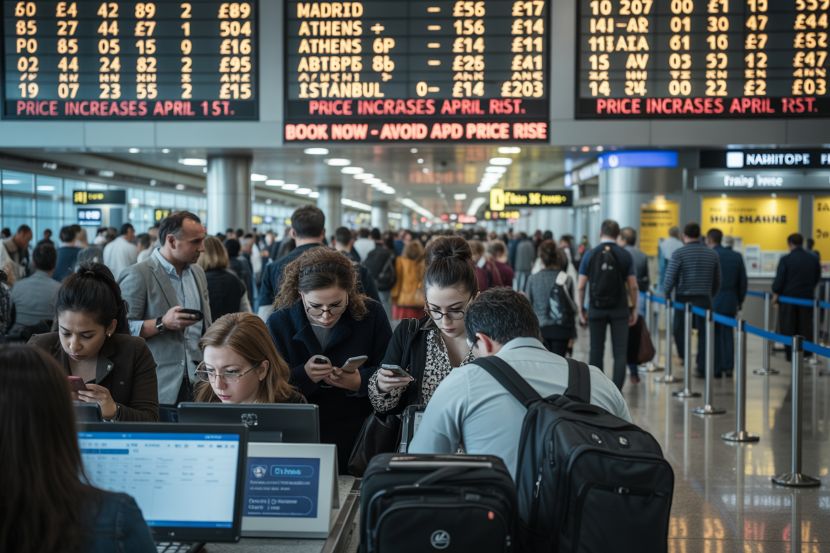
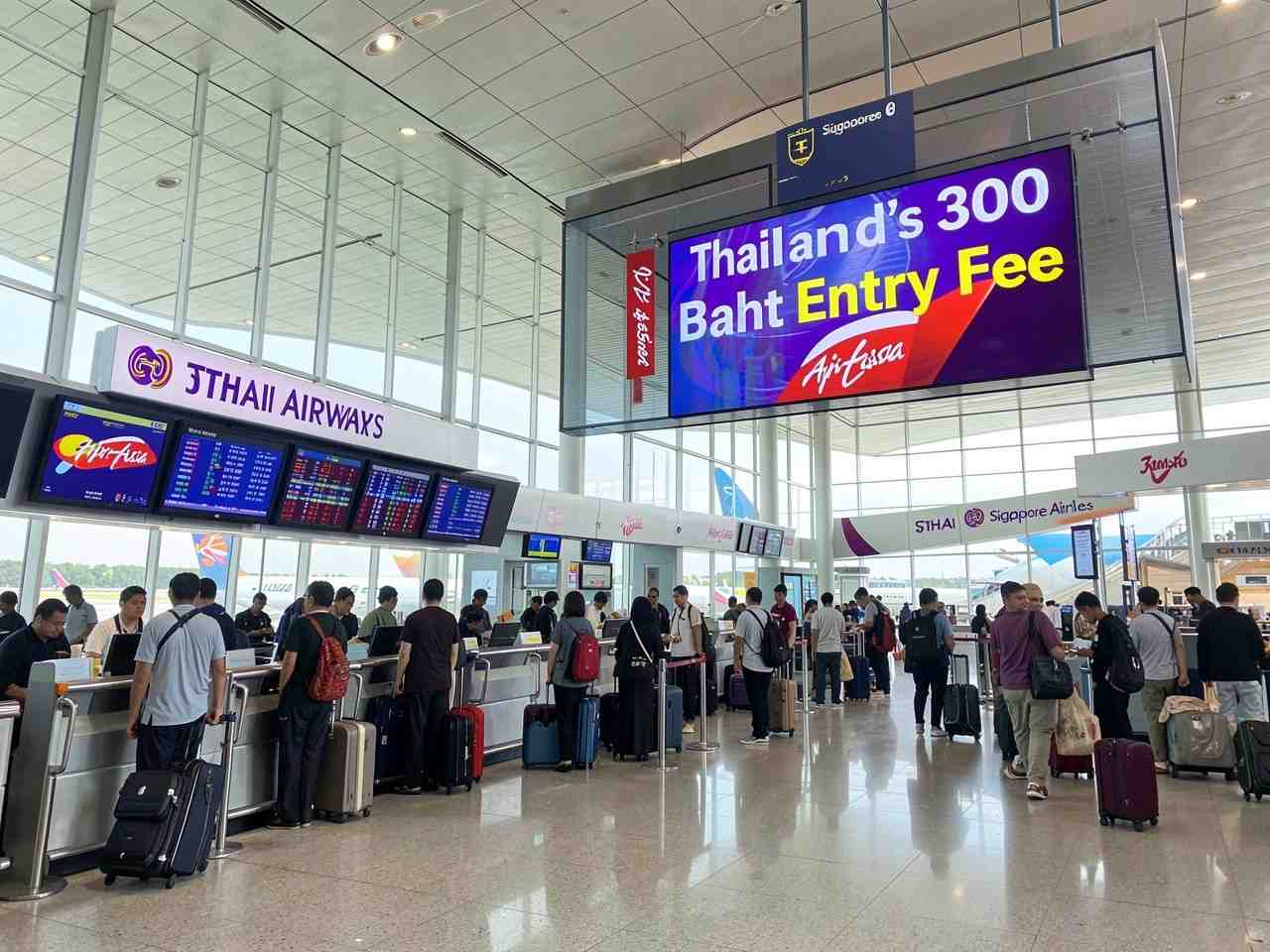
The business travel industry is poised for a period of moderating cost increases in 2026, according to CWT, a leading global travel management network. After a significant rebound and subsequent price hikes in recent years, travelers can anticipate a more stable, albeit still growing, cost environment. This projection offers a welcome signal for corporate travel managers and organizations seeking to optimize their travel budgets.
Several key factors are contributing to this projected moderation. While demand for business travel remains robust, the pace of price increases for airfares and accommodation is expected to slow. This is partly attributed to an increase in capacity, particularly in the airline sector, as more aircraft return to service. Additionally, a maturing post-pandemic travel market suggests that the initial surge in pent-up demand has largely subsided, leading to more predictable pricing patterns.
However, it’s crucial to understand that "moderation" does not equate to stagnation. CWT anticipates continued, albeit smaller, year-over-year increases across most travel categories. The economic climate, geopolitical stability, and the ongoing evolution of corporate travel policies will all play a role in shaping actual expenditures. Companies that focus on strategic sourcing, travel policy enforcement, and leveraging technology to manage their programs will be best positioned to navigate these fluctuations effectively.
For businesses, this outlook underscores the importance of proactive travel management. Understanding the nuances of different travel segments, such as air, hotel, and ground transportation, will be vital. Negotiating favorable rates with suppliers, encouraging employees to adhere to booking policies, and utilizing data analytics to identify cost-saving opportunities will remain paramount. The projected stabilization offers a window for organizations to refine their travel strategies and build resilience into their programs.
The shift towards a more predictable cost environment also allows for greater strategic planning. Companies can allocate budgets with more confidence, knowing that they are unlikely to face the sharp, unexpected price jumps seen in the immediate post-pandemic recovery. This predictability can also foster more effective forecasting and financial planning for travel departments. Ultimately, CWT’s projections signal a move towards a more mature and manageable phase for business travel spending.
Read the Complete Article.
Get curated travel AI insights — choose the newsletters that matter to you.
ALTOUR Expands into Thailand, Strengthening Corporate Travel Network Across Southeast Asia BANGKOK, THAILAND (25 March, 2026) – ALTOUR, a leading...
Read moreDetails


Comprehensive Summarization: The article highlights the 10th River Festival in Kratie, Cambodia, set to take place from March 27 to...
Read moreDetails