






No products in the cart.
- Latest
- Trending


The survey finds airport automation is changing traveller behaviour and increasing spending across the Asia-Pacific region
The modern airport is no longer just a transit point; it’s evolving into a dynamic, digitally-driven ecosystem that profoundly impacts traveler behavior and spending. According to insights from the recent [Source Name, e.g., Airport Council International, research by Amadeus, etc. – Please insert source name if readily available from the article, otherwise omit], the pervasive integration of digital technologies is fundamentally altering how passengers navigate their journeys, engage with airport services, and ultimately, how they spend their money.
From initial booking to final boarding, digital touchpoints are now paramount. Travelers are increasingly reliant on their smartphones for everything from flight information and check-in to wayfinding and personalized offers. This digital immersion creates a continuous feedback loop, allowing airports and retailers to gather valuable data and tailor experiences accordingly. One significant trend highlighted is the growing demand for seamless, contactless interactions. This includes mobile boarding passes, digital payment options, and self-service kiosks, all of which contribute to a more efficient and less stressful travel experience.
The impact on airport retail and dining is particularly pronounced. With more time spent at the airport, often facilitated by early arrivals and digital conveniences, passengers are more inclined to explore and make purchases. Personalized digital marketing, leveraging data on past travel patterns and preferences, is proving highly effective in driving ancillary revenue. Think targeted promotions for duty-free items, restaurant deals presented at the right moment, or even curated shopping suggestions based on flight destination. This shift from passive browsing to active, informed engagement means airports can unlock significant new revenue streams by embracing digital.
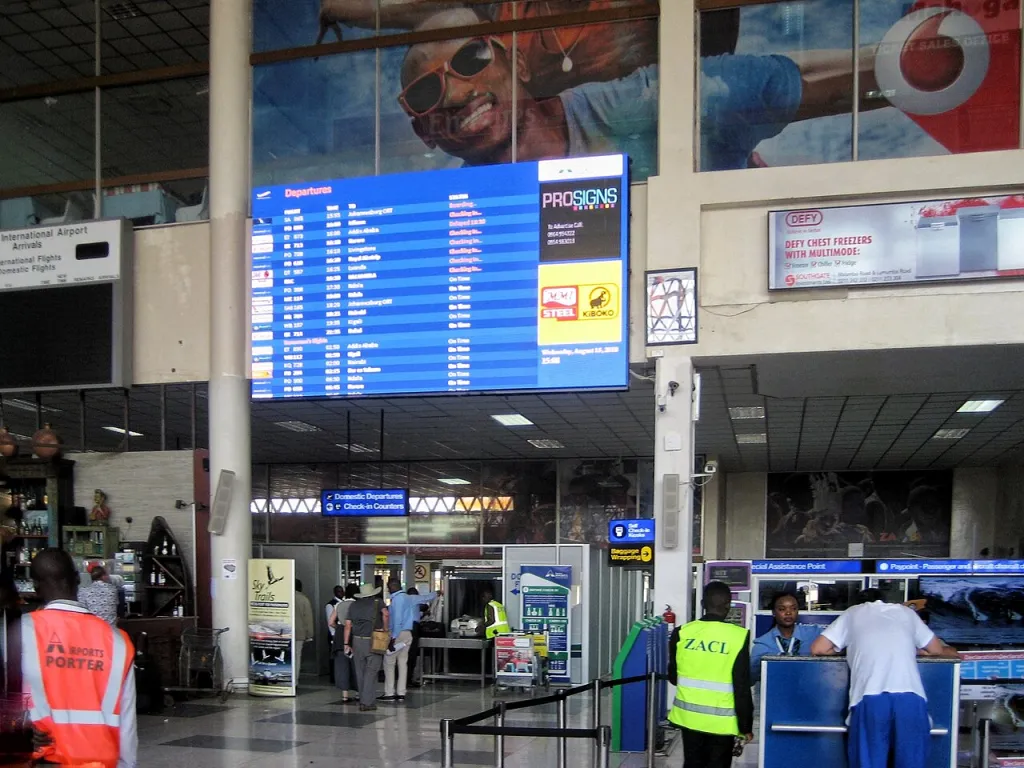
Furthermore, digital technologies are enhancing the overall passenger journey through improved operational efficiency. Real-time updates on flight status, gate changes, and even estimated security wait times, all delivered via mobile apps or digital signage, empower travelers and reduce anxiety. This not only improves customer satisfaction but also allows for more predictable dwell times, which can be strategically leveraged for retail and service promotions. The airport is becoming a more intelligent, responsive environment, driven by data and digital innovation. The challenge and opportunity for airport operators lie in effectively integrating these technologies to create a truly connected and engaging experience that benefits both the traveler and the business.
Key Points
Read the Complete Article.
Get curated travel AI insights — choose the newsletters that matter to you.
ALTOUR Expands into Thailand, Strengthening Corporate Travel Network Across Southeast Asia BANGKOK, THAILAND (25 March, 2026) – ALTOUR, a leading...
Read moreDetails


San Francisco, USA — August 14, 2025 In short: Meta launches prescription-compatible Ray-Ban smart glasses with AI-powered hands-free translation for...
Read moreDetails