





















Travel Capitalist Ventures Expands Check Size to $10 Million to Deepen Emerging Market Conviction
Boutique Travel VC raises investment cap from $1.5M to $10M to lead rounds and support portfolio companies through growth Travel...
Read moreDetails

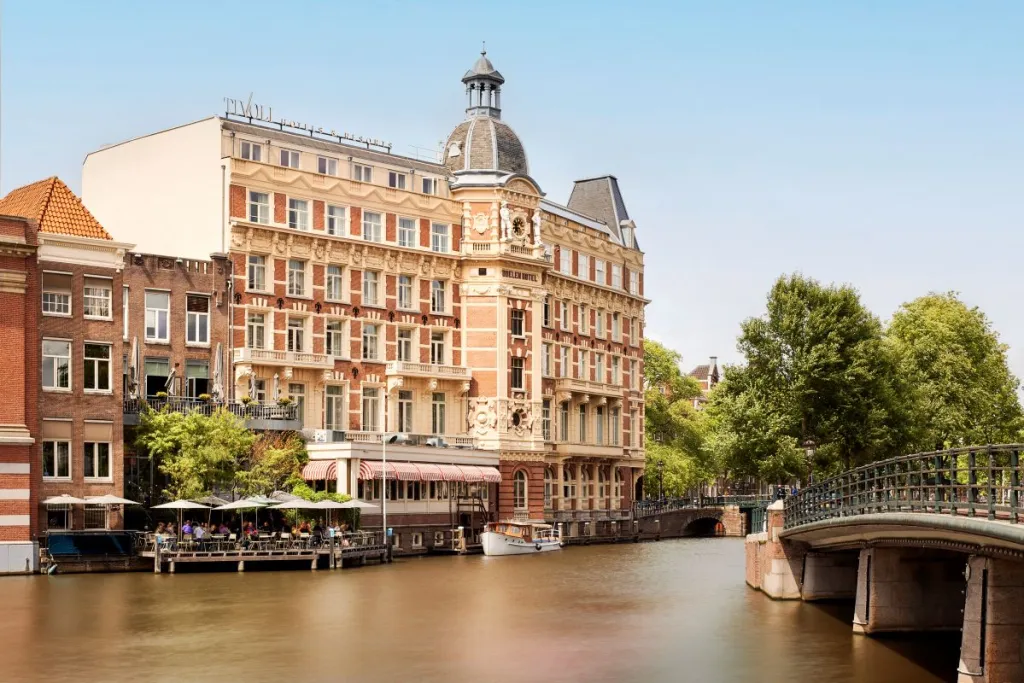
Fewer travellers from key longhaul markets plan to visit Europe this summer, as rising costs and global uncertainties affect travel intentions; Eiffel Tower and the Seine river in Paris, pictured
The allure of European destinations remains strong, but rising costs are putting a damper on long-haul travel, according to recent industry reports. High inflation, coupled with increased airfares and accommodation rates, are causing travelers, particularly those from Asia, to reconsider their European getaways.
Several factors contribute to this shift. Firstly, the soaring cost of living across Europe, driven by inflation, is making travel more expensive. From dining to sightseeing, everyday expenses are significantly higher than in previous years. This directly impacts the perceived value for money, especially for budget-conscious travelers.
Secondly, airfares have experienced a substantial surge. Post-pandemic demand, coupled with rising fuel prices and operational costs, has pushed ticket prices upwards. This is particularly felt on long-haul routes, making the journey to Europe a considerably larger investment.
Finally, accommodation costs are also on the rise. Hotels and other lodging options are increasing their rates to offset their own rising operational expenses. This further exacerbates the overall cost of a European vacation, making it less accessible to a broader range of travelers.
The impact is most noticeable in the long-haul travel segment, where the cost of transportation already constitutes a significant portion of the overall trip expense. Travelers are now weighing their options more carefully, considering alternative destinations closer to home, or postponing their European plans altogether.
While Europe remains a desirable travel destination, the current economic climate necessitates careful planning and budgeting. Travelers are advised to compare prices, consider off-season travel, and explore alternative accommodation options to mitigate the impact of rising costs. Travel agents and tour operators are adapting by offering more budget-friendly packages and promoting value-added experiences to attract travelers despite the economic challenges. The trend highlights the importance of value and affordability in the current travel landscape.
Key Points
Read the Complete Article.
Boutique Travel VC raises investment cap from $1.5M to $10M to lead rounds and support portfolio companies through growth Travel...
Read moreDetails



Comprehensive Summarization: Wizz Air, the pan-European ultra-low-cost airline, is expanding its presence in Western Europe by establishing a new base...
Read moreDetails
