






No products in the cart.
- Latest
- Trending


Inflated airfares are clipping the wings of Europe’s SMEs
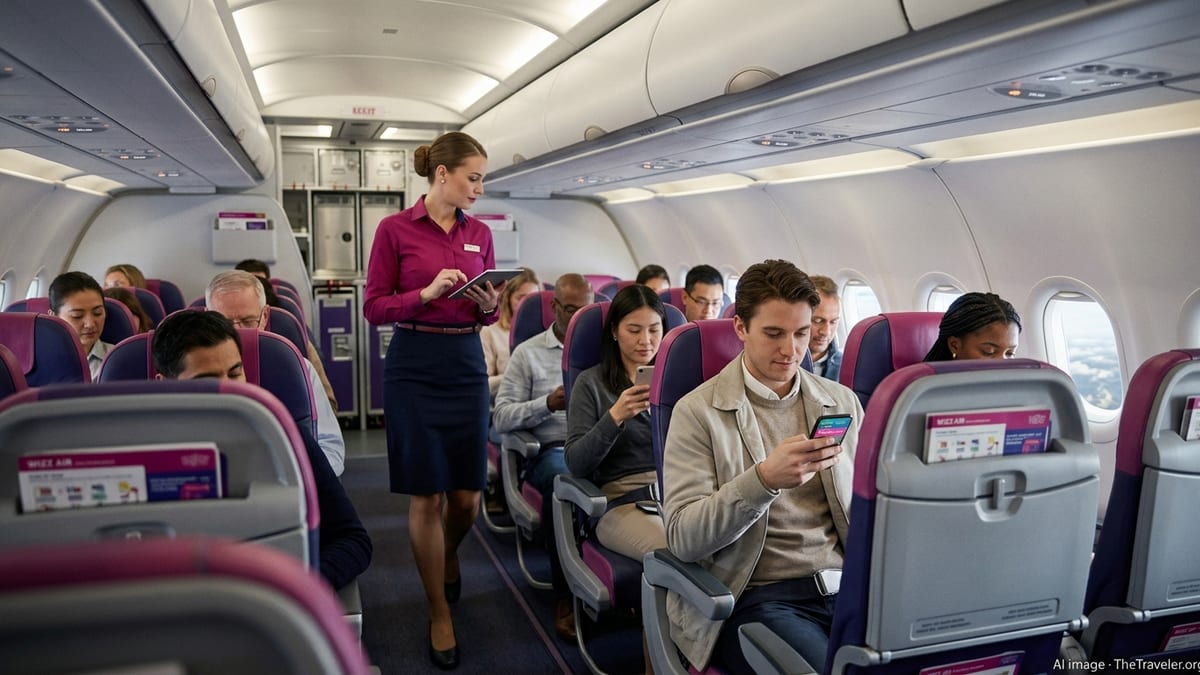
Europe’s Small and Medium-sized Enterprises (SMEs) are facing a significant challenge as airfares continue their upward trajectory, threatening to stifle growth and international collaboration. The current economic climate, coupled with factors impacting the aviation sector, has created a perfect storm for businesses reliant on air travel for critical operations.
For many SMEs, business travel isn’t a luxury but a necessity. It’s the backbone of client meetings, supplier negotiations, international sales efforts, and team building. However, the escalating cost of flights is forcing a painful reassessment of these essential activities. Companies are reporting that the price of a single return business class ticket can now equate to a substantial portion of their monthly travel budget, forcing difficult decisions about which trips are truly indispensable.
Several factors are contributing to this inflationary pressure on airfares. Post-pandemic recovery has seen a surge in demand for travel, outpacing the airlines’ capacity to meet it. Airlines are also grappling with increased operational costs, including fuel prices, labor shortages, and the ongoing need to invest in sustainability. Furthermore, a reduction in the number of available seats due to fleet retirements and production delays for new aircraft is further exacerbating supply-demand imbalances.
The impact on SMEs is multifaceted. Beyond the direct financial strain, inflated airfares can lead to:
While some might suggest a shift to virtual meetings, the article emphasizes that these cannot fully replicate the benefits of in-person engagement, particularly for complex negotiations or initial client relationship building. SMEs are therefore caught in a difficult bind, needing to travel to thrive but finding the cost of doing so increasingly unsustainable.
The article raises a crucial question for policymakers and industry stakeholders: how can the aviation sector better support the backbone of the European economy – its SMEs? Finding solutions that balance the operational realities of airlines with the vital needs of small businesses is paramount to ensuring continued economic growth and dynamism across the continent. Without intervention or innovation, these soaring airfares risk clipping the wings of Europe’s most agile and innovative businesses.
Key Points
The article does not explicitly state quantifiable revenue numbers or specific KPIs. However, the core takeaways revolve around the impact of inflated airfares on SMEs. The key "data points" and "facts" implicitly discussed include:
Read the Complete Article.
Get curated travel AI insights — choose the newsletters that matter to you.
ALTOUR Expands into Thailand, Strengthening Corporate Travel Network Across Southeast Asia BANGKOK, THAILAND (25 March, 2026) – ALTOUR, a leading...
Read moreDetails


Comprehensive Summarization: Singapore's strategic development of an integrated MICE-cruise tourism strategy has positioned it as Southeast Asia's fastest-growing dual-purpose tourism...
Read moreDetails