


















Travel Capitalist Ventures Expands Check Size to $10 Million to Deepen Emerging Market Conviction
Boutique Travel VC raises investment cap from $1.5M to $10M to lead rounds and support portfolio companies through growth Travel...
Read moreDetails

The global SAF output is set to double in 2025, but IATA urges policy reform to avoid rising fuel costs and slow decarbonisation
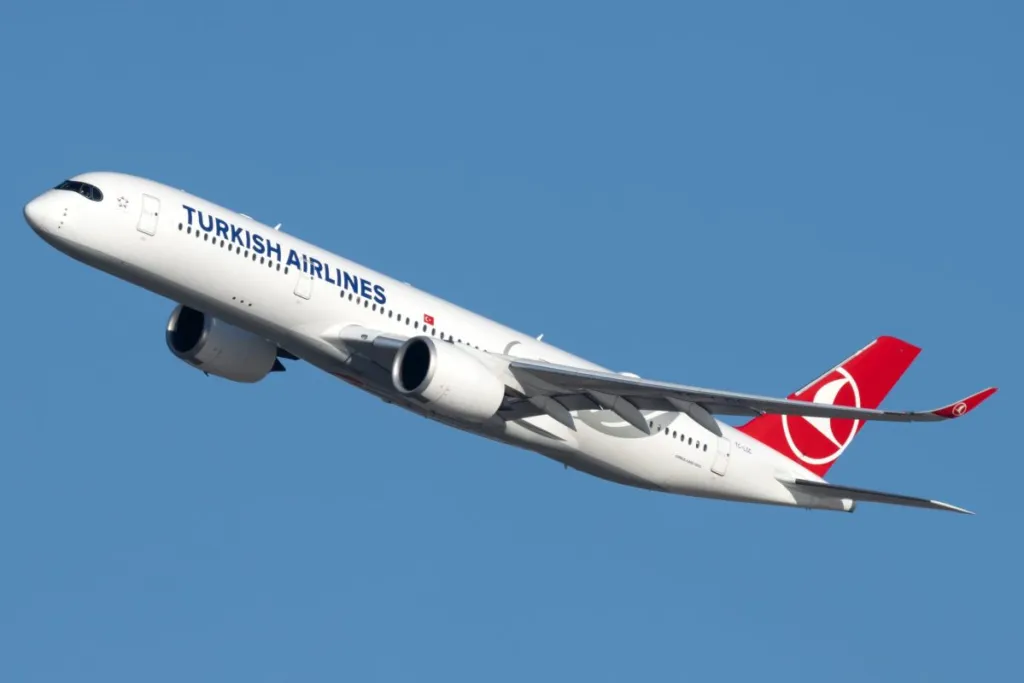
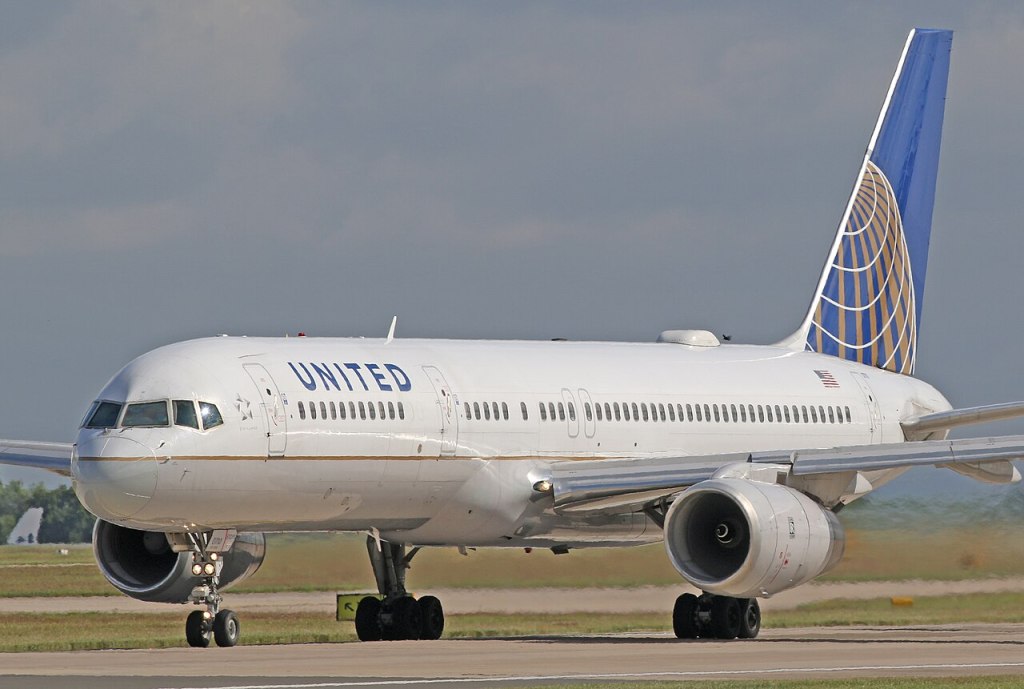
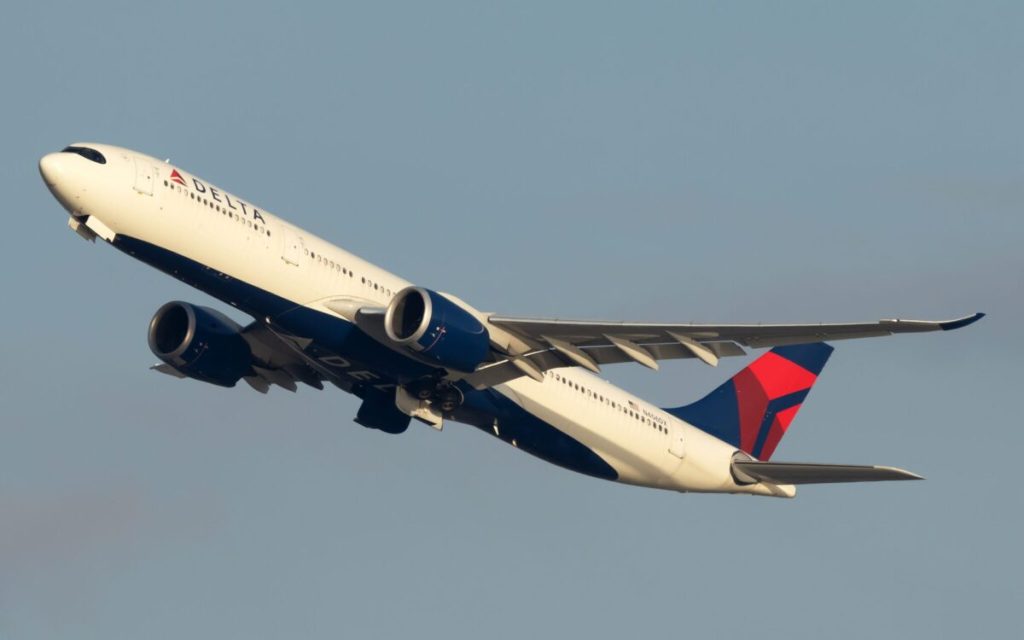
The International Air Transport Association (IATA) is urging governments worldwide to implement smarter and more cost-effective policies to promote the adoption of Sustainable Aviation Fuel (SAF). This call comes as the aviation industry grapples with high operating costs while simultaneously striving to meet ambitious decarbonization goals and cater to increasing travel demand.
Speaking at IATA’s Annual General Meeting, Director General Willie Walsh emphasized the urgent need to bridge the price gap between conventional jet fuel and SAF. Currently, SAF is significantly more expensive, posing a substantial barrier to widespread adoption. Walsh argued that governments should incentivize SAF production and distribution through targeted policies like tax credits and subsidies, rather than mandates that simply drive up costs for airlines and, ultimately, passengers.
The association stresses the importance of a globally harmonized approach to SAF policies. Disparate regulations and standards across different regions could create market distortions and hinder the efficient deployment of SAF. IATA advocates for a framework that supports a level playing field, encourages innovation, and unlocks the full potential of SAF as a key component of aviation’s sustainable future.
IATA also highlighted the critical role of partnerships between airlines, fuel producers, and governments in accelerating SAF production and deployment. Collaborative efforts are essential to develop sustainable supply chains, reduce production costs, and ensure that SAF is readily available to meet the growing demand. The organization believes that a combination of policy support, technological innovation, and collaborative partnerships will pave the way for a greener and more sustainable aviation industry. Furthermore, infrastructure development is vital for efficient SAF distribution and integration into existing airport operations.
Ultimately, IATA’s message is clear: Sustainable Aviation Fuel is crucial for the future of air travel, but its widespread adoption hinges on the implementation of well-designed, cost-effective policies and collaborative efforts across the entire aviation ecosystem. Without these crucial elements, airlines will struggle to achieve their sustainability goals and remain competitive in a rapidly evolving global market. The focus must be on incentivizing production, rather than penalizing consumption.
Key Points
Read the Complete Article.
Boutique Travel VC raises investment cap from $1.5M to $10M to lead rounds and support portfolio companies through growth Travel...
Read moreDetails



Summary RG Pay has partnered with travel industry leaders to enhance payment options for travelers worldwide. This collaboration will enable...
Read moreDetails
