





No products in the cart.
- Latest
- Trending


Italy experienced significant travel disruptions on Thursday as widespread strikes by air traffic controllers and ground staff brought a considerable portion of the nation’s transportation network to a halt. The industrial action, involving multiple unions, led to widespread flight cancellations, delays, and impacted rail and public transport services across the country, causing chaos for both domestic and international travelers.
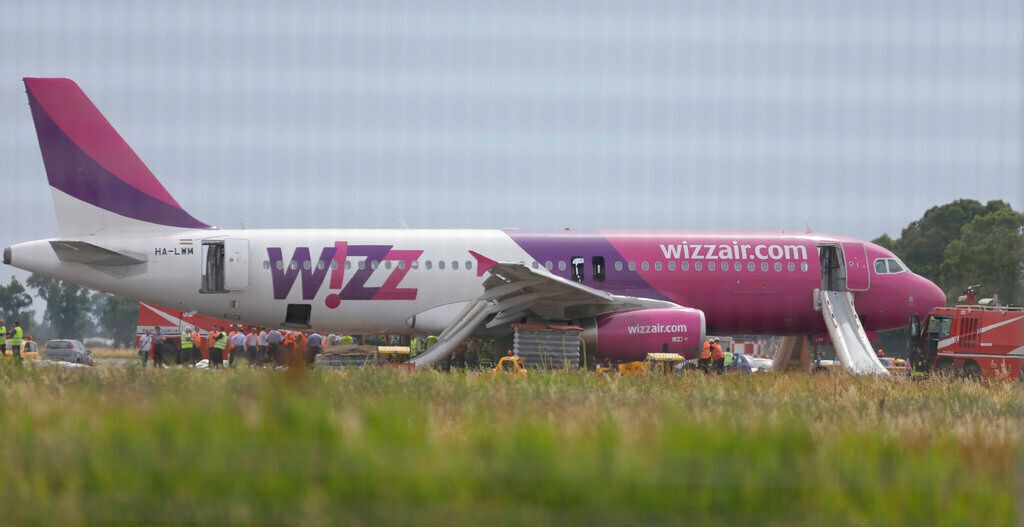
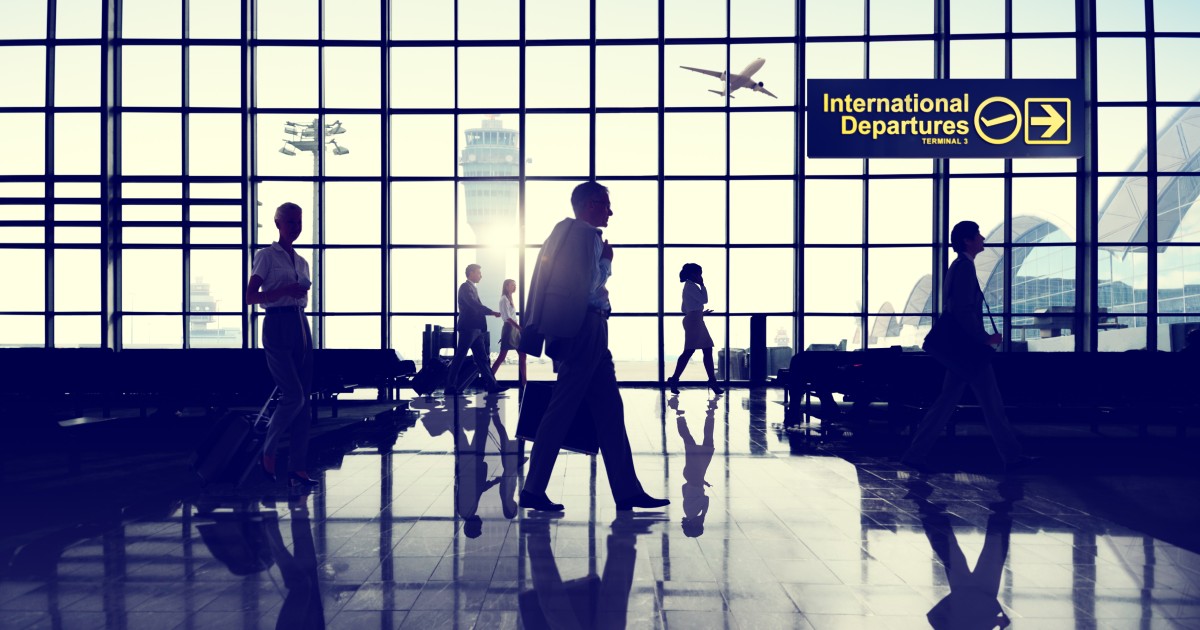
The primary driver of the disruption was the strike by air traffic controllers, which commenced early Thursday morning and continued throughout the day. This action directly affected airport operations, resulting in the cancellation of numerous domestic and international flights. Passengers faced uncertainty and frustration as they navigated the impact on their travel plans. Many found themselves stranded or facing lengthy delays, with airports across Italy, including major hubs like Rome and Milan, experiencing severe congestion and operational challenges.
Beyond air travel, the strikes extended to ground handling staff, further exacerbating the situation at airports. This included baggage handlers, check-in staff, and other essential airport personnel, leading to a domino effect of delays and cancellations. The cumulative impact meant that even flights that were initially scheduled to operate faced significant potential for disruption due to the lack of available ground support.
The industrial action was not confined to air travel alone. Unions representing railway workers also participated in the strike, leading to substantial interruptions in train services. This affected both high-speed rail lines and regional routes, impacting a significant number of commuters and travelers relying on rail for intercity and local travel. Public transport within major cities also saw reduced services, adding to the overall difficulty of navigating Italy on Thursday.
The strikes were organized to protest working conditions, pay, and proposed reforms impacting the transport sector. Unions cited concerns over job security, staffing levels, and the impact of evolving industry practices on their members. These concerns have been ongoing, culminating in this widespread industrial action to pressure the government and transport operators for concessions.
Travelers were advised to check the status of their flights and train services before heading to airports or stations and to allow for extra time for their journeys. Many airlines offered rebooking options or refunds for affected passengers, but the sheer scale of the disruption meant that finding immediate alternatives was challenging for many. The event highlights the vulnerability of national transport systems to industrial action and the significant economic and social consequences that can arise from such widespread labor disputes.
Key Points
Read the Complete Article.
Get curated travel AI insights — choose the newsletters that matter to you.
ALTOUR Expands into Thailand, Strengthening Corporate Travel Network Across Southeast Asia BANGKOK, THAILAND (25 March, 2026) – ALTOUR, a leading...
Read moreDetails


Comprehensive Summarization: Following the war with Iran, low-cost carrier Wizz Air announced on Tuesday that it is extending the suspension...
Read moreDetails