








No products in the cart.
- Latest
- Trending


Credit: Unsplash
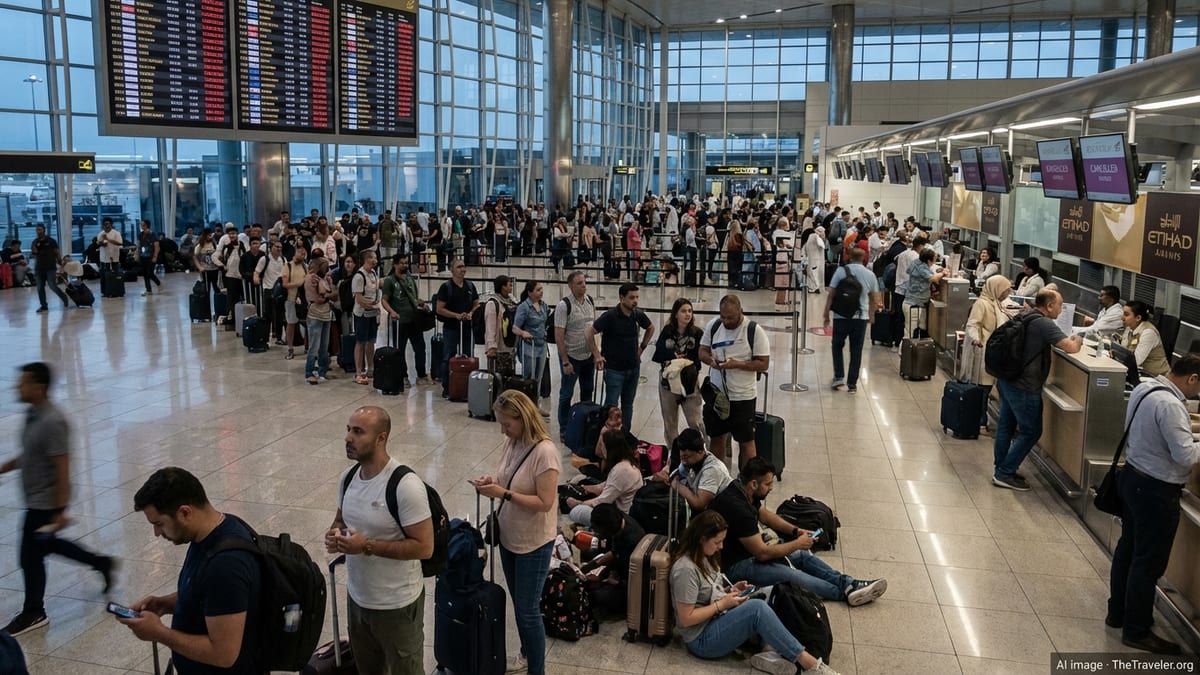
June proved to be a turbulent month for air travelers as geopolitical tensions directly impacted airline punctuality across Europe, causing a notable decline in on-time performance. New data reveals that the ongoing conflicts and resulting airspace restrictions significantly disrupted flight schedules, leading to widespread delays and cancellations.
The report from OAG, a leading aviation data provider, highlights a concerning trend: airline punctuality dipped considerably in June compared to previous months. This slump is primarily attributed to the ripple effects of geopolitical instability, particularly the war in Ukraine. The continued closure of large swathes of Russian airspace forces airlines to reroute flights, adding significant time and complexity to many international routes. These extended flight paths not only increase fuel consumption and operational costs but also create a cascading effect, making it harder for airlines to maintain their schedules.
Beyond direct airspace closures, the broader economic and security implications of geopolitical events are also playing a role. Increased security measures at airports, potential labor disputes influenced by economic uncertainty, and the general unease among travelers can all contribute to operational challenges. Airlines are facing a more complex and unpredictable operating environment, making the meticulous planning required for punctuality exceedingly difficult.
For travelers, this translates into more frustration at airports, missed connections, and the potential for significant disruption to their travel plans. Businesses relying on timely air travel for meetings, cargo, and employee movement are also feeling the pinch, with increased costs and reduced efficiency.
The industry is actively seeking solutions to mitigate these impacts, including optimizing flight planning, exploring alternative routes where possible, and working closely with air traffic control providers. However, the fundamental driver of the punctuality slump remains external – the volatile geopolitical landscape. As long as these tensions persist, maintaining consistent airline punctuality will remain a significant challenge for the European aviation sector. The current situation underscores the interconnectedness of global events and their direct impact on the travel industry, demanding adaptability and resilience from all stakeholders.
Read the Complete Article.
Get curated travel AI insights — choose the newsletters that matter to you.
ALTOUR Expands into Thailand, Strengthening Corporate Travel Network Across Southeast Asia BANGKOK, THAILAND (25 March, 2026) – ALTOUR, a leading...
Read moreDetails


Comprehensive Summarization: The Thailand Tourism Festival, serving as a flagship event for the country's tourism industry, is set to become...
Read moreDetails