





















Travel Capitalist Ventures Expands Check Size to $10 Million to Deepen Emerging Market Conviction
Boutique Travel VC raises investment cap from $1.5M to $10M to lead rounds and support portfolio companies through growth Travel...
Read moreDetails
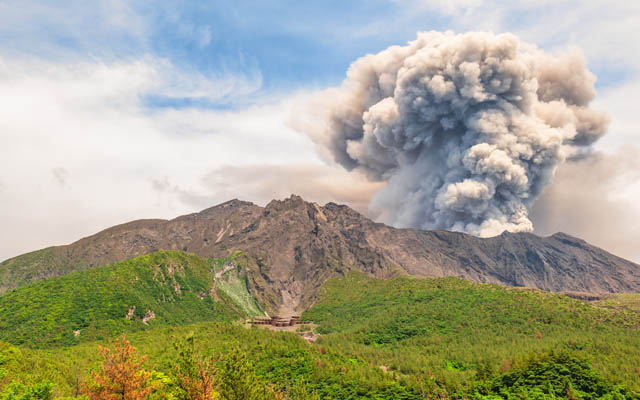
Sakurajima’s latest activity sends plumes into the sky and ash across nearby prefectures
Article Summary:
On November 16, Sakurajima, a volcano in southern Japan, experienced a series of eruptions that sent ash and smoke high into the sky. The Japan Meteorological Agency (JMA) reported three significant eruptions, the first occurring before dawn, with ash plumes reaching up to 4,400 meters. This marked the first time in nearly 13 months that the volcano had expelled ash above four kilometers. While no damage was reported in Kagoshima prefecture, the JMA forecasted ashfall in parts of Kagoshima and neighboring Miyazaki, advising residents to take precautions such as using umbrellas or masks outdoors and driving cautiously on ash-affected roads. Around 30 flights in and out of Kagoshima were disrupted due to the volcanic activity.
Key Points:
Actionable Takeaways:
Flight Disruption Preparedness: Airlines and travel agencies should develop contingency plans for flight disruptions caused by volcanic activity. This includes real-time communication with passengers, alternative routing options, and flexible ticket policies to minimize financial losses and enhance customer satisfaction.
Contextual Insights:
The eruption of Sakurajima highlights the ongoing risks associated with volcanic activity in Japan, a region known for its geothermal and volcanic landscapes. This event underscores the importance of robust monitoring systems and preparedness strategies in the travel industry. Recent trends indicate a growing emphasis on technology-driven solutions for real-time monitoring and communication, which can be leveraged to enhance safety and operational resilience in travel. As volcanic activity remains a potential threat, the integration of advanced technologies and proactive communication strategies will be key to navigating such challenges effectively. Additionally, the disruption to flights emphasizes the need for flexible travel policies and contingency planning, reflecting broader industry trends towards adaptability and resilience in the face of unforeseen events.
Read the Complete Article.
Boutique Travel VC raises investment cap from $1.5M to $10M to lead rounds and support portfolio companies through growth Travel...
Read moreDetails



Hyatt Hotels — In short: Hyatt plans to develop a brand concept tailored for India, leveraging local traditions and landscapes....
Read moreDetails
