







No products in the cart.
- Latest
- Trending

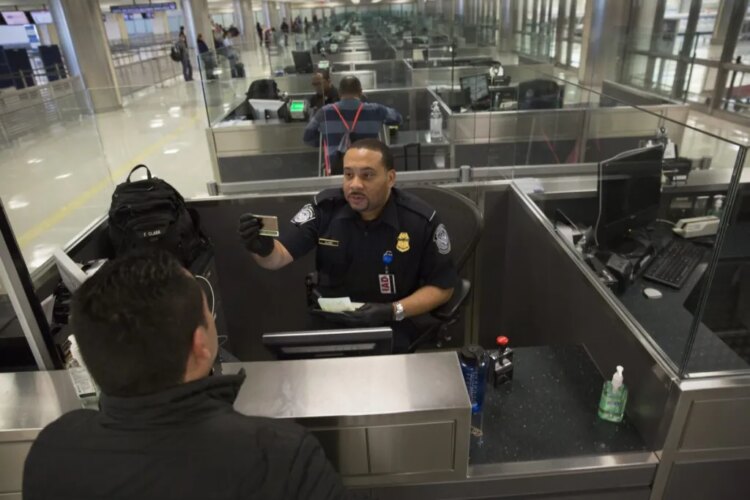
Photo Credit: A passenger arriving at Dulles International Airport. Flickr / U.S. Customs and Border Protection
Comprehensive Summarization:
The article discusses the U.S. State Department’s decision to expand its visa bond policy, now requiring travelers from 12 additional countries to post bonds of up to $15,000 to enter the U.S. This policy, set to take effect on April 2, brings the total number of countries subject to this requirement to 50. The article highlights that this move comes at a time when inbound travel is struggling to recover, targeting emerging markets critical to future growth. It also notes that as other destinations reduce barriers, the U.S. risks becoming less competitive for international travelers. The article underscores the potential impact on airlines and the broader travel industry, suggesting a need for strategic adaptation to maintain competitiveness.
Key Points:
Actionable Takeaways:
Strategic Adjustment for Airlines: Airlines operating to and from the newly affected countries should consider adjusting their pricing strategies and service offerings to remain competitive. This could involve enhancing customer service, offering competitive pricing, or introducing loyalty programs to attract travelers despite the new visa requirements.
Focus on Emerging Markets: Travel agencies and tourism boards should prioritize marketing efforts towards emerging markets that are now subject to the visa bond requirement. Highlighting unique travel experiences, cultural attractions, and value-added services can help maintain and grow interest from these travelers.
Enhance Digital Travel Solutions: Given the potential deterrent effect of the visa bond requirement, there is an opportunity for travel tech companies to innovate in digital travel solutions. This could include simplifying the visa application process, offering virtual tours, or providing comprehensive travel planning tools that mitigate the impact of entry restrictions.
Contextual Insights:
The expansion of the U.S. visa bond policy reflects a broader trend of tightening entry requirements in response to economic and security concerns. This move is particularly significant as the global travel industry continues to grapple with post-pandemic recovery challenges. The policy targets emerging markets that are pivotal for future growth, indicating a strategic shift by the U.S. to balance security with economic interests. As other destinations continue to ease travel restrictions, the U.S. risks losing market share to more traveler-friendly destinations. This context underscores the importance of strategic adaptation for the travel industry, particularly for airlines and related sectors, to maintain competitiveness and attract international travelers.
Handling Different Article Types:
The article in question is a news brief, providing factual information about a policy change in the travel industry. For such articles, the focus is on delivering concise, factual summaries, extracting key points, and providing actionable insights based on the presented information. The structured output format ensures clarity and ease of integration into professional materials, facilitating quick understanding and application of the information by a professional audience.
Read the Complete Article.
Get curated travel AI insights — choose the newsletters that matter to you.
This spot is reserved for brands with a compelling story for the travel trade. They use this space to cut...
Read moreDetailsALTOUR Expands into Thailand, Strengthening Corporate Travel Network Across Southeast Asia BANGKOK, THAILAND (25 March, 2026) – ALTOUR, a leading...
Read moreDetails


Comprehensive Summarization: The article discusses the U.S. State Department's decision to expand its visa bond policy, now requiring travelers from...
Read moreDetails