Comprehensive Summarization:
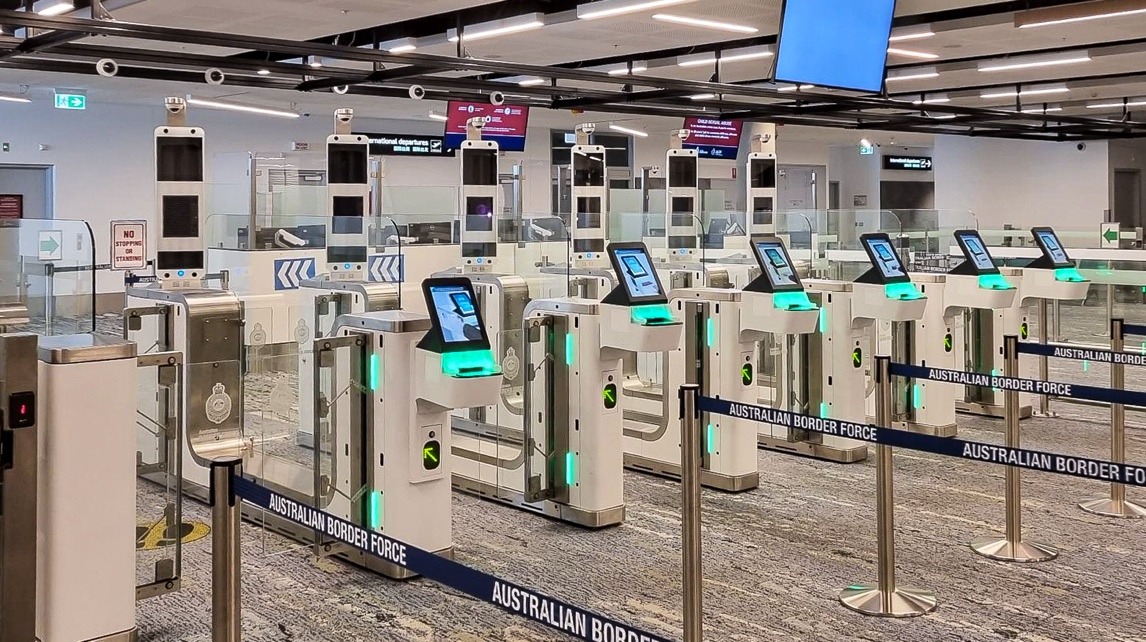
Ninoy Aquino International Airport (NAIA) in the Philippines is undergoing a significant transformation to enhance the passenger experience through the integration of biometric technology provided by Amadeus. This initiative, part of a $3 billion modernization project overseen by NNIC, a subsidiary of The San Miguel Group, aims to streamline the immigration process. Passengers can now complete immigration in under 20 seconds using biometric identity validation, document authentication, and real-time monitoring. This cutting-edge system ensures that only fully verified passengers proceed, marking a major advancement in border management and airport efficiency.
Key Points:
- NAIA is implementing biometric technology from Amadeus to expedite the immigration process, reducing clearance time to under 20 seconds.
- The $3 billion modernization project, led by NNIC, is transforming NAIA into a world-class gateway.
- The new system combines biometric identity validation, document authentication, and real-time monitoring to ensure only verified passengers proceed.
- This initiative is part of a broader trend in the travel industry towards enhancing security and efficiency through biometric innovations.
Actionable Takeaways:
-
Adopt Biometric Technology for Enhanced Security and Efficiency: Airlines and airports can benefit from integrating biometric systems to streamline border processes, significantly reducing clearance times and enhancing security. This aligns with the industry’s shift towards advanced technologies to improve passenger experience and operational efficiency.
-
Invest in Modernization Projects for Competitive Advantage: The $3 billion modernization of NAIA underscores the importance of substantial investment in airport infrastructure to stay competitive. Travel companies should consider similar large-scale projects to enhance operational capabilities and meet evolving passenger expectations.
-
Focus on Real-Time Monitoring and Verification: The emphasis on real-time monitoring and verification in the NAIA project highlights a growing trend in the travel industry towards leveraging technology for immediate and accurate passenger verification. Implementing similar systems can help reduce security risks and improve passenger flow management.
Contextual Insights:
The integration of biometric technology at NAIA reflects a broader industry trend towards enhancing security and efficiency through technological innovation. As passenger expectations evolve, airports and airlines are increasingly adopting advanced biometric solutions to streamline processes and ensure a seamless travel experience. This aligns with the growing emphasis on data-driven decision-making and the use of technology to mitigate risks in the travel sector. Furthermore, the $3 billion modernization project at NAIA exemplifies the industry’s commitment to investing in infrastructure upgrades to maintain competitive edge and meet the demands of a rapidly changing travel landscape. These developments underscore the importance of staying abreast of technological advancements and industry trends to drive innovation and improve operational efficiency in the travel sector.
Read the Complete Article.