














Travel Capitalist Ventures Expands Check Size to $10 Million to Deepen Emerging Market Conviction
Boutique Travel VC raises investment cap from $1.5M to $10M to lead rounds and support portfolio companies through growth Travel...
Read moreDetails
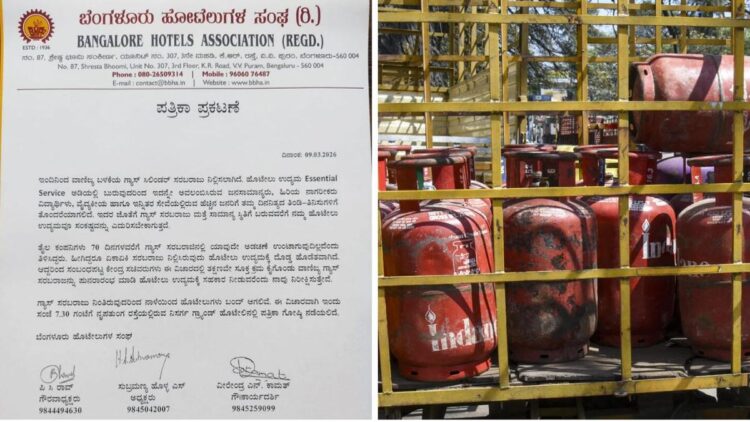
Hotels may shut if LPG supply not resumed: Bengaluru Hotels Association
Comprehensive Summarization:
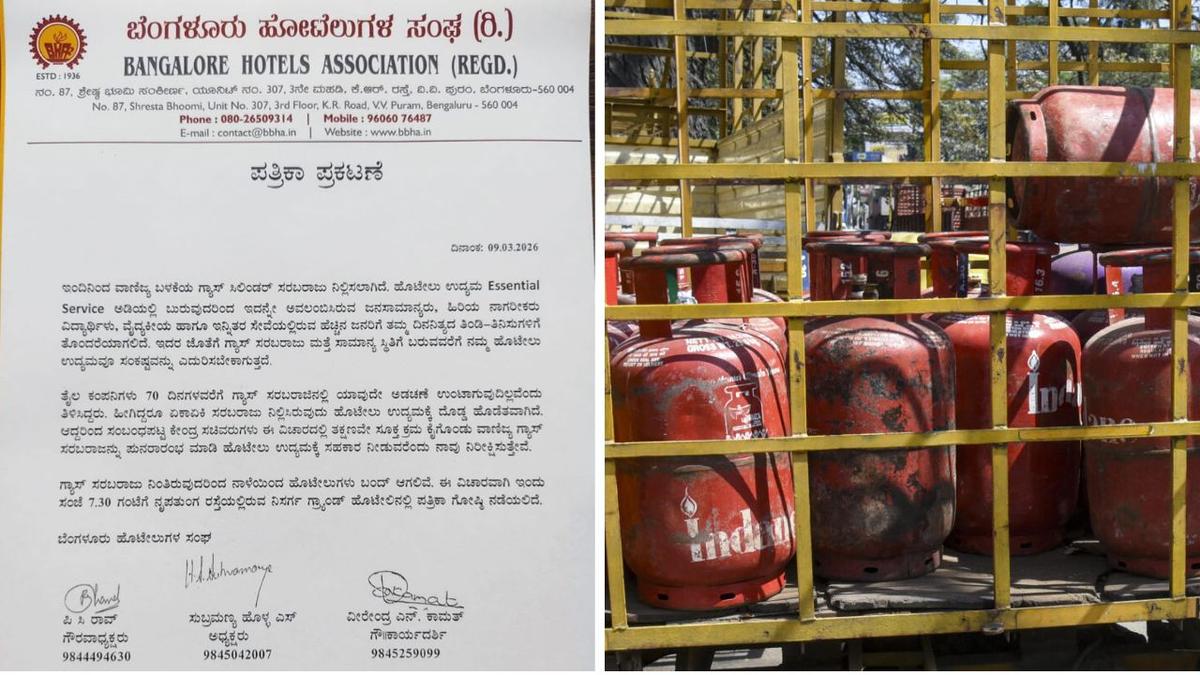
The Bangalore Hotels Association president, P.C. Rao, has raised concerns over the supply of commercial LPG cylinders to hotels, which was halted from March 9, 2026, due to the conflict in West Asia. This supply disruption could severely impact the hotel industry in Bengaluru, potentially leading to the closure of restaurants if the situation persists. The article highlights the immediate threat to the hospitality sector and underscores the vulnerability of businesses to geopolitical events affecting supply chains.
Key Points:
Actionable Takeaways:
Supply Chain Vulnerability: The halt in LPG cylinder supply highlights the vulnerability of the hospitality industry to geopolitical events. Businesses should develop contingency plans for supply chain disruptions, including alternative fuel sources or partnerships with suppliers outside the conflict zone.
Risk Management in Hospitality: The situation underscores the need for robust risk management strategies in the hospitality sector. Hotels and restaurants should explore diversified energy supply options and maintain open communication with suppliers to mitigate risks associated with geopolitical tensions.
Contextual Insights:
The article reflects the interconnectedness of global events with local business operations, particularly in the hospitality sector. The conflict in West Asia has direct implications for the availability of essential supplies like LPG cylinders, which are critical for cooking and heating in restaurants and hotels. This incident serves as a reminder of the importance of monitoring geopolitical developments and their potential impact on supply chains. For travel startups and fintech innovations, this situation emphasizes the need for resilient business models that can withstand supply chain disruptions. Innovations in alternative energy solutions or supply chain diversification could provide a competitive edge in the face of such challenges. Additionally, thought leaders in the travel industry may advocate for increased collaboration between businesses and governments to ensure continuity of essential services during crises.
Read the Complete Article.
Boutique Travel VC raises investment cap from $1.5M to $10M to lead rounds and support portfolio companies through growth Travel...
Read moreDetails



Comprehensive Summarization: The World Travel & Tourism Council (WTTC) has announced the addition of Allianz Partners as its newest industry...
Read moreDetails
