














Travel Capitalist Ventures Expands Check Size to $10 Million to Deepen Emerging Market Conviction
Boutique Travel VC raises investment cap from $1.5M to $10M to lead rounds and support portfolio companies through growth Travel...
Read moreDetails
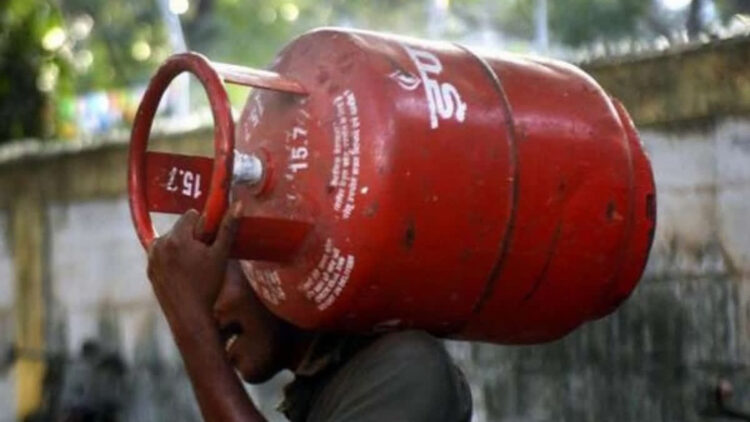
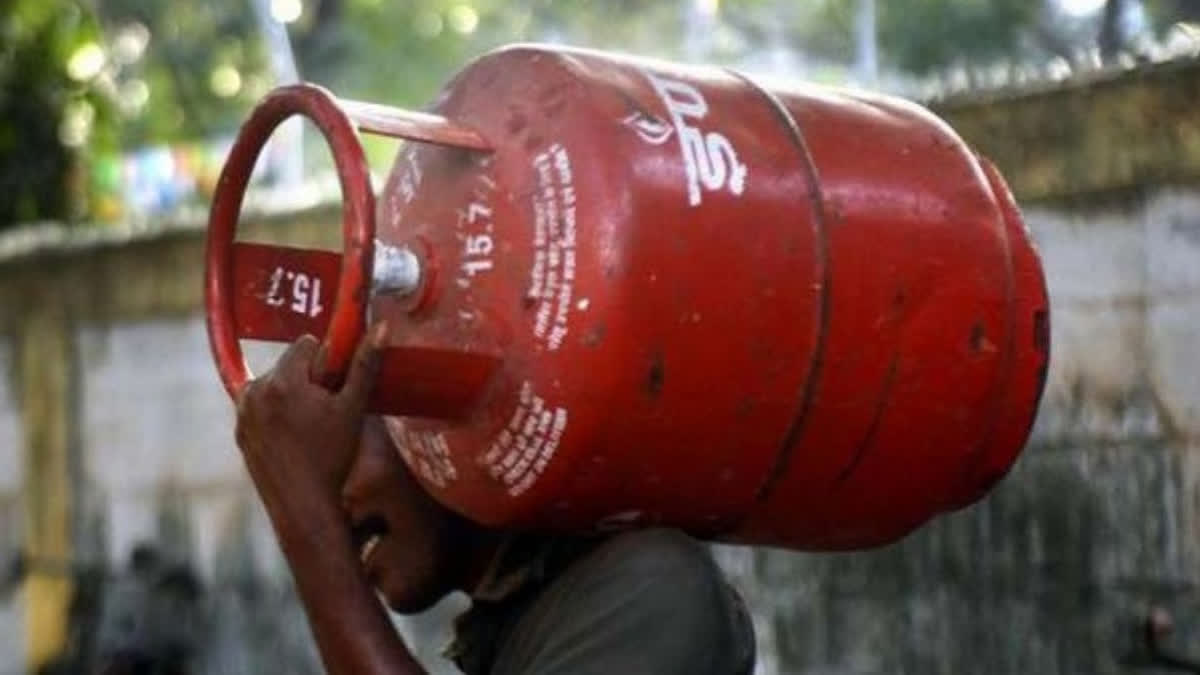
Bengaluru Hotels May Face Shutdown Soon
Comprehensive Summarization:
The article highlights a severe LPG cylinder supply shortage in Bengaluru, impacting hotel and restaurant operations. This shortage, attributed to the war in the Middle East, has led to only 20% of the required cylinders being supplied, causing many hotels to consider temporary closures until normalcy is restored. The situation underscores the vulnerability of the hospitality sector to global supply chain disruptions, particularly in critical sectors like gas supply.
Key Points:
Actionable Takeaways:
Supply Chain Resilience: Hotels and restaurants must develop contingency plans for critical supply shortages, such as establishing alternative fuel sources or backup suppliers. This proactive approach can mitigate the impact of supply chain disruptions and ensure business continuity.
Collaboration with Suppliers: Establishing stronger relationships with suppliers and exploring diversified sourcing options can help mitigate risks associated with supply shortages. Collaborating with multiple suppliers can ensure a more stable supply of essential commodities like LPG cylinders.
Contextual Insights:
The LPG cylinder shortage in Bengaluru is a stark reminder of the interconnectedness of global supply chains and the vulnerability of the travel industry to geopolitical events. The recent surge in travel and hospitality activities, post-pandemic, has put additional pressure on supply chains, making them more susceptible to disruptions. This situation highlights the need for the industry to focus on supply chain resilience, leveraging technology and strategic partnerships to mitigate risks. Furthermore, the event underscores the importance of real-time monitoring of supply chain metrics to quickly identify and respond to potential disruptions, ensuring minimal impact on operations and customer satisfaction.
Read the Complete Article.
Boutique Travel VC raises investment cap from $1.5M to $10M to lead rounds and support portfolio companies through growth Travel...
Read moreDetails



Comprehensive Summarization: The World Travel & Tourism Council (WTTC) has announced the addition of Allianz Partners as its newest industry...
Read moreDetails
