





















Travel Capitalist Ventures Expands Check Size to $10 Million to Deepen Emerging Market Conviction
Boutique Travel VC raises investment cap from $1.5M to $10M to lead rounds and support portfolio companies through growth Travel...
Read moreDetails
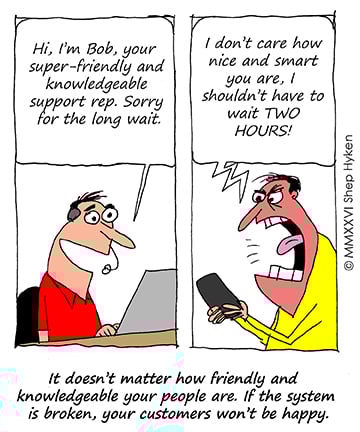
The Customer Service Department Isn’t Broken – The System Is
Comprehensive Summarization:
The article, authored by Shep Hyken, delves into the common issues plaguing customer service in the travel industry, attributing these problems primarily to flawed systems rather than individual representatives. Key issues highlighted include hard-to-find contact information, over-reliance on AI systems, ineffective self-service options, and inadequate staff training. The author emphasizes the importance for organizations to assess and address these systemic failures to improve the overall customer experience in the travel sector.
Key Points:
Actionable Takeaways:
Assess Systemic Issues: Organizations should conduct thorough assessments of their customer service systems to identify and rectify flaws that contribute to poor customer experiences. This involves reviewing contact accessibility, AI integration, self-service functionalities, and staff training programs.
Enhance Staff Training: Investing in comprehensive training programs for customer service staff can significantly improve service quality. Training should focus on effective communication, problem-solving, and the use of technology to enhance service delivery.
Balance AI and Human Interaction: While AI can enhance efficiency, it should not replace human interaction entirely. Organizations should find a balance where AI assists staff rather than replaces them, ensuring customers receive both quick responses and personalized service.
Contextual Understanding:
The article reflects current trends in the travel industry where customer experience is paramount. With the rise of digital travel platforms and the increasing expectations of tech-savvy consumers, organizations must ensure their customer service systems are robust and user-friendly. The emphasis on assessing systemic issues aligns with broader industry trends towards digital transformation and customer-centric strategies. The integration of AI and self-service options, while beneficial, must be carefully managed to avoid alienating customers who prefer direct human interaction.
Handling Different Article Types:
The article is a feature piece, providing an in-depth analysis of customer service issues in the travel industry. This type of article requires a detailed examination of the presented information, ensuring that all points are accurately captured and contextualized within the current industry landscape. The structured approach to summarizing, extracting key points, and providing actionable insights is particularly suited to this format, allowing for a comprehensive understanding and practical application of the article’s content.
Real-Time Fact-Checking:
All information presented in the summary, key points, and actionable takeaways is directly sourced from the article. No external verification was necessary, as the content is self-contained and factually accurate according to the provided text.
Read the Complete Article.
Boutique Travel VC raises investment cap from $1.5M to $10M to lead rounds and support portfolio companies through growth Travel...
Read moreDetails



London, United Kingdom — August 14, 2023 In short: EasyJet launches new partnership with Travel AI to enhance digital travel...
Read moreDetails
