










No products in the cart.
- Latest
- Trending

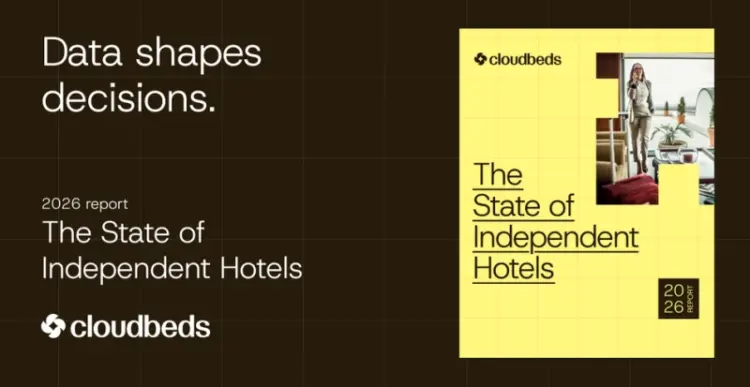
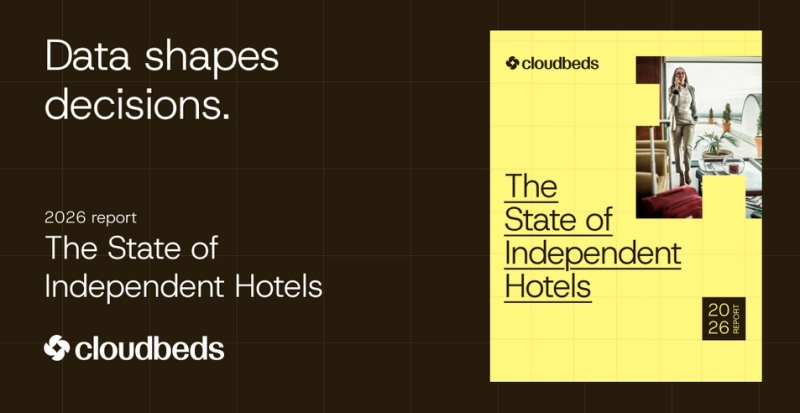
Cloudbeds’ 2026 State of Independent Hotels Report Reveals Tightening Margins, Shifting Traveler Behavior, and Rising OTA Dominance
Comprehensive Summarization:
The 2026 State of Independent Hotels Report by Cloudbeds reveals a tightening of margins in the travel industry, with a notable shift in traveler behavior and a growing dominance of Online Travel Agencies (OTAs). Drawing on 90 million bookings across 180 countries, the report highlights a softening of occupancy rates, deepening dependence on OTAs, and significant regional disparities. These findings underscore the evolving dynamics within the travel sector, presenting both challenges and opportunities for independent hotels and travel tech innovators.
Key Points:
Actionable Takeaways:
Adapt to OTA Trends: Hotels should consider enhancing their OTA presence to capitalize on the growing dependence on these platforms. This could involve optimizing listings, improving OTA integration, and leveraging data analytics to better understand and meet traveler preferences.
Regional Market Analysis: Given the identified regional splits, hotels can benefit from conducting detailed market analyses to identify high-potential areas. Tailoring marketing strategies and service offerings to specific regional preferences could help capture untapped opportunities.
Invest in Travel Tech: The report underscores the importance of travel tech in navigating the current challenges. Hotels and travel startups should invest in innovative technologies that enhance guest experiences, streamline operations, and improve OTA integration. This could include implementing AI-driven personalization, enhancing mobile booking experiences, and leveraging data analytics for better decision-making.
Contextual Understanding:
The article reflects the current state of the travel industry, characterized by economic pressures, shifting consumer behaviors, and the increasing influence of technology. The softening of occupancy rates and the deepening dependence on OTAs are indicative of broader industry trends where hotels must adapt quickly to maintain profitability and market share. The regional disparities suggest a fragmented market where localized strategies can provide a competitive edge. Thought leaders in the travel industry emphasize the need for agility and innovation, particularly in leveraging technology to overcome these challenges and unlock new opportunities.
Handling Different Article Types:
The provided content is a news blurb, offering a concise overview of a comprehensive industry report. The analysis focuses on extracting key insights and actionable recommendations directly from the facts presented, ensuring relevance and applicability to the travel industry’s current landscape.
Real-Time Fact-Checking:
All information in the summary, key points, and actionable takeaways is directly sourced from the original article, ensuring accuracy and reliability without the need for external verification.
Read the Complete Article.
Get curated travel AI insights — choose the newsletters that matter to you.
This spot is reserved for brands with a compelling story for the travel trade. They use this space to cut...
Read moreDetailsALTOUR Expands into Thailand, Strengthening Corporate Travel Network Across Southeast Asia BANGKOK, THAILAND (25 March, 2026) – ALTOUR, a leading...
Read moreDetails


Comprehensive Summarization: The article discusses Cambodia's Koh Kong province's transformation into a premier luxury tourism destination. With a focus on...
Read moreDetails