





















Travel Capitalist Ventures Expands Check Size to $10 Million to Deepen Emerging Market Conviction
Boutique Travel VC raises investment cap from $1.5M to $10M to lead rounds and support portfolio companies through growth Travel...
Read moreDetails
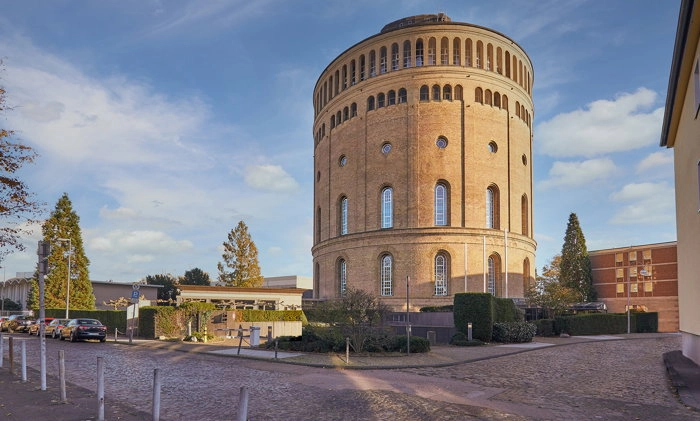
Wasserturm Hotel Cologne, Curio Collection by Hilton
Comprehensive Summarization:
The article highlights a significant surge in occupancy and revenue for hotels in Cologne, Germany, during January 2026. This growth, which reached 57.9% (a 12.6% increase from the previous year), is attributed to major events and trade fairs taking place in the city. The data, sourced from CoStar, underscores the impact of such high-profile events on the local hotel industry, marking a notable period of expansion and activity in Cologne’s hospitality sector.
Key Points:
Actionable Takeaways:
Leverage Major Events for Increased Hotel Occupancy: Hotels in Cologne can capitalize on the success of hosting major events and trade fairs by tailoring their offerings to attract more guests. This could involve special packages, partnerships with event organizers, or targeted marketing campaigns to capitalize on the influx of attendees.
Monitor and Capitalize on Trade Fairs: The article emphasizes the role of trade fairs in driving hotel occupancy. Hotels and hospitality businesses should actively seek opportunities to partner with or sponsor trade fairs in their region. This not only increases visibility but also provides a direct avenue to attract a targeted demographic of business travelers.
Utilize Data-Driven Insights for Strategic Planning: The use of preliminary data from CoStar highlights the importance of leveraging data analytics in the travel industry. Hotels can benefit from investing in robust data collection and analysis tools to monitor occupancy rates, understand market trends, and make informed decisions regarding pricing, marketing strategies, and service offerings.
Contextual Understanding:
The growth in Cologne’s hotel industry is closely tied to the city’s reputation as a hub for international events and trade fairs. This context is crucial as it illustrates how strategic positioning within the travel industry can lead to substantial economic benefits. The article also reflects broader trends in the travel sector, where events and conferences continue to be significant drivers of hotel occupancy and revenue. Furthermore, the reliance on data from CoStar underscores the growing importance of data analytics in the travel industry, suggesting that forward-thinking businesses will increasingly rely on such insights to stay competitive.
Handling Different Article Types:
The article in question is a news brief, providing factual information about a specific development in the travel industry. It does not present an opinion, feature an in-depth exploration, or delve into startup successes or fintech innovations. Therefore, the analysis and takeaways are strictly based on the factual information provided, focusing on the immediate implications for the Cologne hotel industry and broader travel trends.
Read the Complete Article.
Boutique Travel VC raises investment cap from $1.5M to $10M to lead rounds and support portfolio companies through growth Travel...
Read moreDetails




