




No products in the cart.
- Latest
- Trending


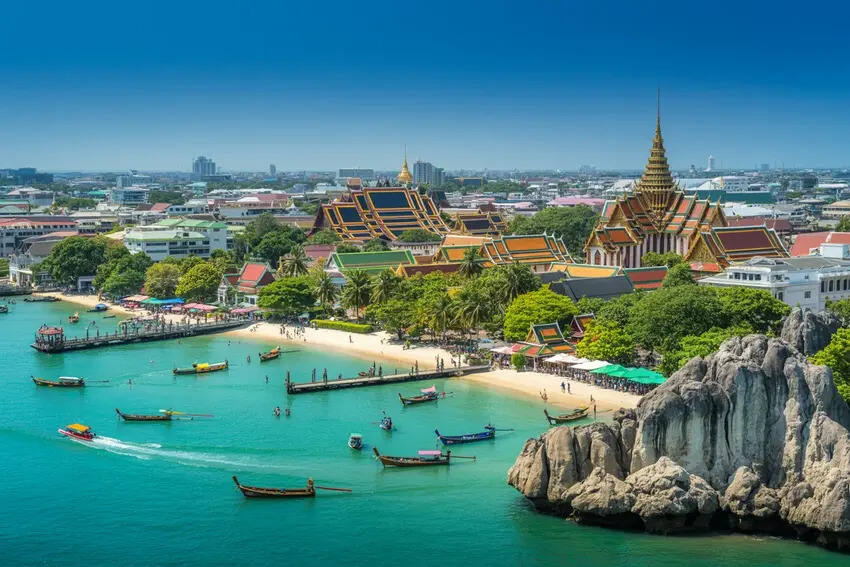
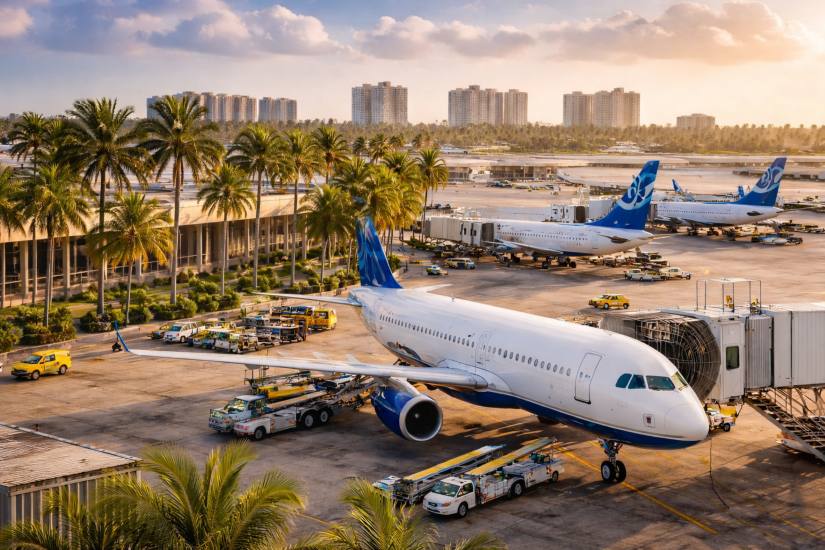
The global travel industry is experiencing a robust resurgence, demonstrating remarkable resilience and adaptability in the wake of the COVID-19 pandemic. While challenges remain, a clear trend of recovery and innovation is shaping the future of travel, with consumers eager to explore once again.
Shifting Consumer Behavior and Demand:
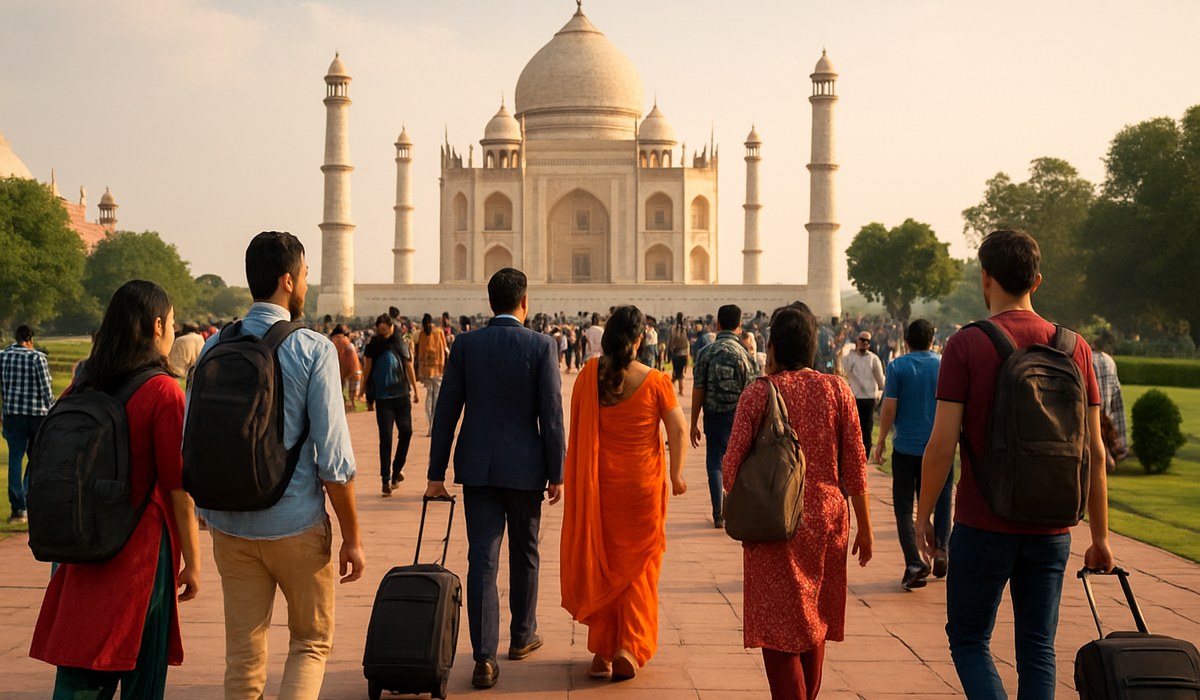
Post-pandemic travel is characterized by evolving consumer preferences. Travelers are prioritizing experiences over possessions, seeking authentic cultural immersion, and increasingly valuing sustainability and responsible tourism. There’s a heightened demand for personalized itineraries, wellness-focused trips, and travel that offers opportunities for personal growth and connection. The desire for adventure and exploration, often put on hold for years, is now a driving force for many.
Technological Innovation as a Catalyst:
Technology is playing a pivotal role in this recovery. Digitalization has accelerated, with seamless online booking platforms, contactless check-in processes, and AI-powered travel assistants becoming standard. Virtual reality (VR) and augmented reality (AR) are beginning to enhance the pre-trip planning phase, offering immersive previews of destinations and accommodations. Data analytics is crucial for understanding traveler behavior, enabling businesses to tailor offers and improve customer service.
Sustainability Takes Center Stage:
A significant shift is the growing emphasis on sustainable travel. Travelers are more conscious of their environmental impact, seeking eco-friendly accommodations, supporting local communities, and choosing destinations that are actively working towards conservation. This has led to a rise in "slow travel" and a greater appreciation for nature-based tourism. The industry is responding by investing in greener practices and promoting responsible travel options.
Overcoming Lingering Challenges:
Despite the positive momentum, the travel sector is not without its hurdles. Workforce shortages in key areas, from airline staff to hospitality professionals, continue to impact service delivery. Inflationary pressures and economic uncertainties can influence discretionary spending. Furthermore, geopolitical events and evolving travel advisories require constant vigilance and agility from travel businesses.
The Road Ahead:
The future of travel looks promising, driven by pent-up demand and a renewed appreciation for exploration. The industry’s ability to innovate, embrace technology, and respond to evolving consumer values, particularly around sustainability and authentic experiences, will be key to its continued success. As travel becomes more personalized, responsible, and digitally integrated, the sector is well-positioned for sustained growth and to create memorable journeys for a new generation of explorers.
Key Points:
Read the Complete Article.
Get curated travel AI insights — choose the newsletters that matter to you.
This spot is reserved for brands with a compelling story for the travel trade. They use this space to cut...
Read moreDetailsALTOUR Expands into Thailand, Strengthening Corporate Travel Network Across Southeast Asia BANGKOK, THAILAND (25 March, 2026) – ALTOUR, a leading...
Read moreDetails

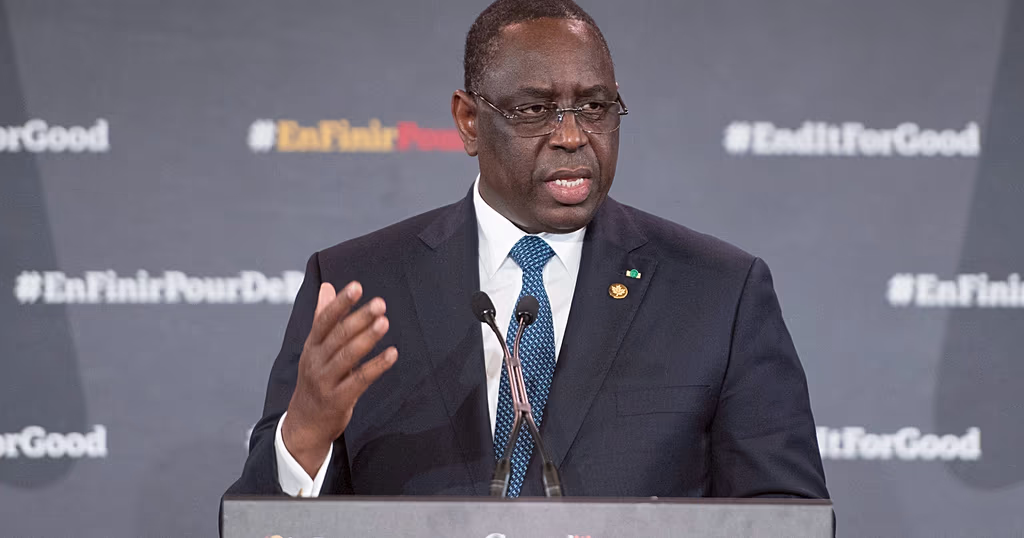
Comprehensive Summarization: The article discusses Senegal's decision not to endorse former President Macky Sall's candidacy for the United Nations Secretary-General...
Read moreDetails