







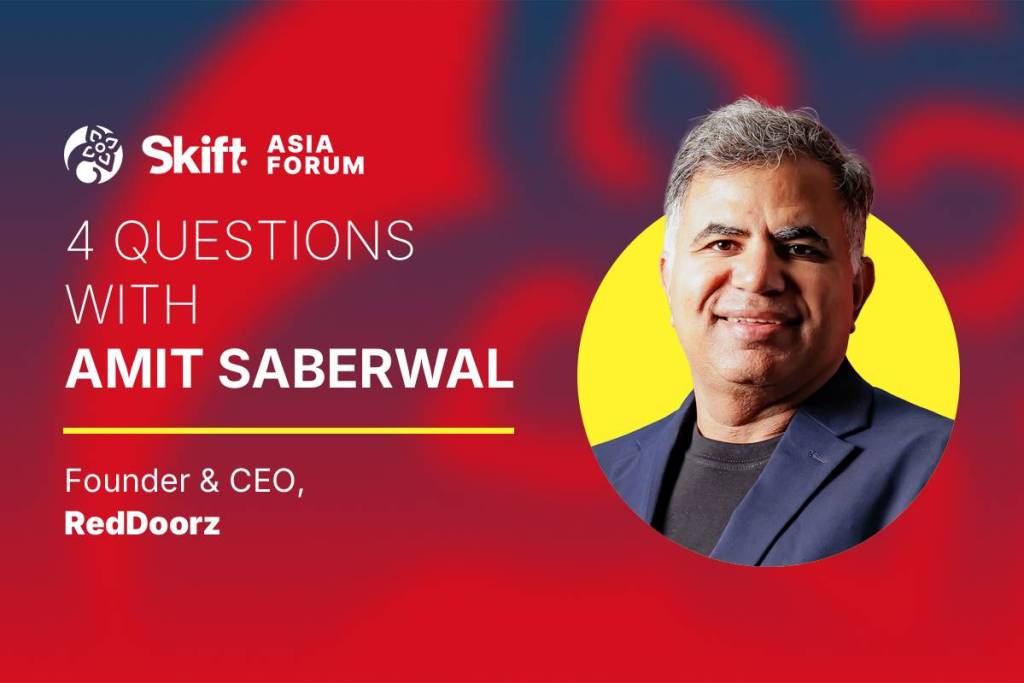













Travel Capitalist Ventures Expands Check Size to $10 Million to Deepen Emerging Market Conviction
Boutique Travel VC raises investment cap from $1.5M to $10M to lead rounds and support portfolio companies through growth Travel...
Read moreDetails

Kokua Line: Must I give name to report illegal Airbnb?
Hawaii residents and visitors are often concerned about the proliferation of illegal vacation rentals and their impact on local housing availability and community character. A common question arises: when reporting a suspected illegal Airbnb or similar short-term rental, are you required to provide your name to authorities? The answer, based on current regulations and practices, is generally no, but it depends on the specific jurisdiction and reporting method.
In most Hawaiian counties, you can report suspected illegal vacation rentals anonymously. The city and county of Honolulu does not require the person filing the report to provide their name, address or contact information. This encourages citizens to report suspected illegal vacation rentals without fear of retaliation or unwanted involvement. However, providing contact information can be beneficial. While anonymity is protected, supplying contact information allows investigators to reach out for further details or clarification regarding the alleged violation. This can significantly strengthen the investigation and increase the likelihood of a successful outcome.
While the City and County of Honolulu allows for anonymous reporting, other counties may have slightly different procedures. It is always prudent to check the specific guidelines of the county where the suspected illegal rental is located.
Reporting suspected illegal vacation rentals is crucial in protecting Hawaii’s residential neighborhoods, preserving affordable housing, and ensuring fair competition within the lodging industry. By understanding the reporting process and your rights, you can contribute to a more sustainable and equitable tourism ecosystem in Hawaii.
Key Points:
Read the Complete Article.
Boutique Travel VC raises investment cap from $1.5M to $10M to lead rounds and support portfolio companies through growth Travel...
Read moreDetails



Summary RG Pay has partnered with travel industry leaders to enhance payment options for travelers worldwide. This collaboration will enable...
Read moreDetails
