





























Travel Capitalist Ventures Expands Check Size to $10 Million to Deepen Emerging Market Conviction
Boutique Travel VC raises investment cap from $1.5M to $10M to lead rounds and support portfolio companies through growth Travel...
Read moreDetails
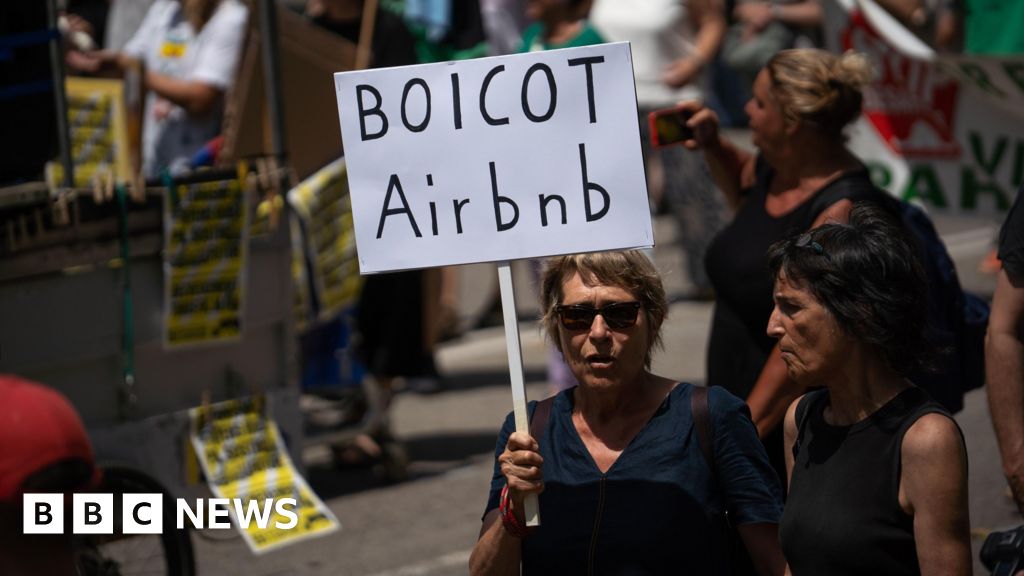
Demonstrations in Spain against Airbnb have grown in popularity
Article Summary:
The Spanish government has imposed a €64 million fine on Airbnb for advertising unlicensed apartments in the popular tourist destination. The fine requires Airbnb to withdraw advertisements for these unlicensed properties. While the Consumer Affairs Ministry stated the fine is non-appealable, Airbnb plans to challenge it in court. Spain’s tourism economy is thriving, but this has led to concerns about housing affordability, as high visitor demand drives up housing prices, pushing local residents out of the market. Consumer Affairs Minister Pablo Bustinduy highlighted the plight of families living on the edge due to housing issues, while Airbnb maintains confidence in the Ministry’s judgment.
Key Points:
Actionable Takeaways:
Contextual Insights:
The fine against Airbnb reflects broader trends in the travel industry where regulatory scrutiny is increasing, particularly in markets with high tourism demand. Spain’s experience underscores the delicate balance between fostering tourism growth and ensuring local economic and social stability. As travel tech companies expand globally, they must navigate diverse regulatory landscapes, which can vary significantly in terms of enforcement and interpretation. This case also highlights the potential for legal battles to shape industry practices, emphasizing the need for proactive compliance strategies. Forward-looking insights suggest that travel startups should invest in legal and regulatory expertise to anticipate and address compliance challenges, ensuring sustainable growth in the competitive travel market.
Read the Complete Article.
Boutique Travel VC raises investment cap from $1.5M to $10M to lead rounds and support portfolio companies through growth Travel...
Read moreDetails




