




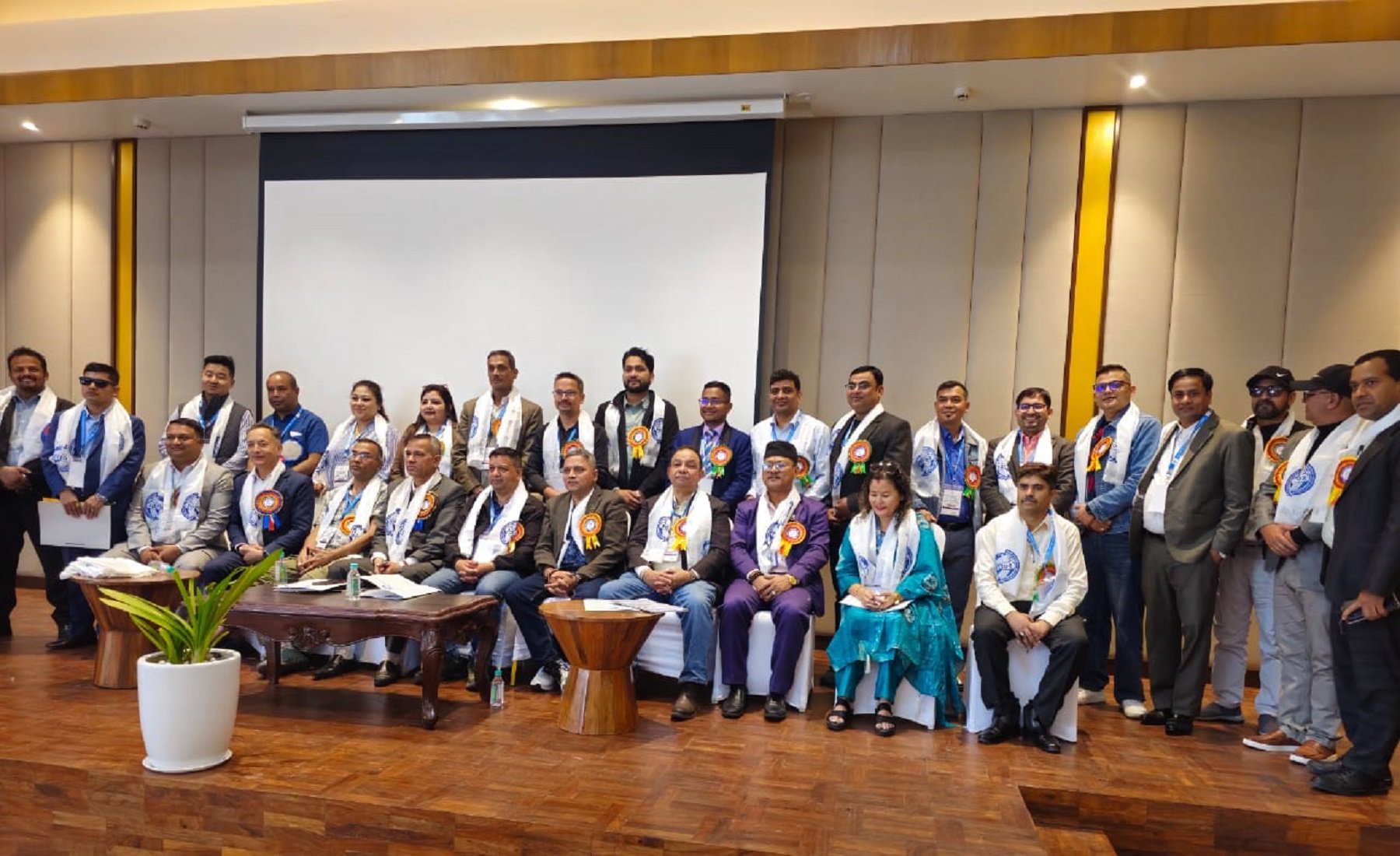

















Travel Capitalist Ventures Expands Check Size to $10 Million to Deepen Emerging Market Conviction
Boutique Travel VC raises investment cap from $1.5M to $10M to lead rounds and support portfolio companies through growth Travel...
Read moreDetails

I found this dead miller moth in my house. May 20, 2020. (Kevin J. Beaty/Denverite)
Denver’s Miller Moth Mania: What Travelers Need to Know
Denver, Colorado is experiencing its annual Miller Moth migration, a phenomenon that impacts residents and, importantly, travelers visiting the Mile High City. While harmless, the sheer number of moths can be disconcerting, especially for those unaccustomed to this natural event. Understanding the Miller Moth migration can help travelers plan their trips and minimize any potential inconveniences.
The primary cause of the Miller Moth migration is the search for food and mates. These moths originate from the Eastern Plains and migrate westward towards the mountains, following nectar-rich flowers. Light attracts them, leading to moths congregating around homes, businesses, and especially well-lit areas frequented by tourists.
So, what does this mean for travelers? Expect to see moths, particularly in the evenings, around building exteriors and illuminated spaces. While they don’t bite or carry disease, their presence can be overwhelming. Hotels, restaurants, and tourist attractions often employ strategies to mitigate the impact, such as turning off unnecessary lights and using specific types of lighting less attractive to moths.
Travelers can take steps to minimize disruption. Keeping windows and doors closed, especially at night, is crucial. Drawing curtains or blinds can also help. When outdoors, consider wearing lighter-colored clothing, as dark colors tend to attract moths. And remember, the migration is temporary, usually lasting several weeks.
Despite the temporary influx of moths, Denver remains a vibrant and welcoming destination. By understanding the Miller Moth migration and taking a few simple precautions, travelers can enjoy their visit to Denver without being overly bothered by these temporary residents. Embrace the unique natural occurrence and view it as a quirky aspect of springtime in Colorado. It’s just a part of the local experience, providing an unusual story to take home.
Key Points
Read the Complete Article.
Boutique Travel VC raises investment cap from $1.5M to $10M to lead rounds and support portfolio companies through growth Travel...
Read moreDetails




