





















Travel Capitalist Ventures Expands Check Size to $10 Million to Deepen Emerging Market Conviction
Boutique Travel VC raises investment cap from $1.5M to $10M to lead rounds and support portfolio companies through growth Travel...
Read moreDetails

Italy Implements Strong Anti-Airbnb Measures In Florence As City Fights To Reclaim Housing And Safeg...
Florence, a city synonymous with Renaissance art and unparalleled beauty, is taking decisive action to curb the proliferation of short-term rental platforms like Airbnb. In a significant move aimed at reclaiming its historic neighborhoods for residents and preserving its unique character, the city has implemented a suite of stringent anti-Airbnb measures. This proactive stance signals a potential shift in how popular tourist destinations manage the impact of the booming sharing economy on local communities.
The new regulations, which have already taken effect, target specific zones within Florence, particularly its UNESCO-listed historic center. The core of the new policy involves a ban on new short-term rental licenses in these sensitive areas. This means that any new property seeking to operate as a short-term rental within the city walls will no longer be permitted. Existing licenses will be subject to a phased phase-out, with owners given a limited timeframe to comply.
This bold initiative stems from growing concerns about the impact of short-term rentals on Florence’s housing market. As more properties are converted into lucrative holiday lets, the availability of affordable long-term housing for residents, including students, families, and essential workers, has dwindled. This has led to a displacement of the local population, eroding the very fabric of the communities that attract visitors in the first place. The city government believes that by restricting short-term rentals, they can encourage property owners to return these homes to the long-term rental market, thereby alleviating housing shortages and fostering a more sustainable urban environment.
Beyond housing, the measures are also designed to safeguard Florence’s historic character. The constant influx of transient visitors, while economically beneficial, can also lead to overcrowding, increased noise pollution, and a strain on local infrastructure. By limiting the density of short-term rentals, Florence aims to foster a more balanced tourism model that prioritizes the quality of the visitor experience and the well-being of its permanent residents.
While the immediate impact on tourists might be a slight reduction in the availability of short-term rental options in prime locations, the long-term goal is to create a more authentic and livable city. This approach could serve as a blueprint for other over-touristed cities grappling with similar challenges. The success of these measures will likely depend on effective enforcement and the willingness of property owners to adapt to the changing regulatory landscape. Florence’s commitment to its residents and its cultural heritage is now clearly on display, as it navigates the complexities of modern tourism.
Read the Complete Article.
Boutique Travel VC raises investment cap from $1.5M to $10M to lead rounds and support portfolio companies through growth Travel...
Read moreDetails



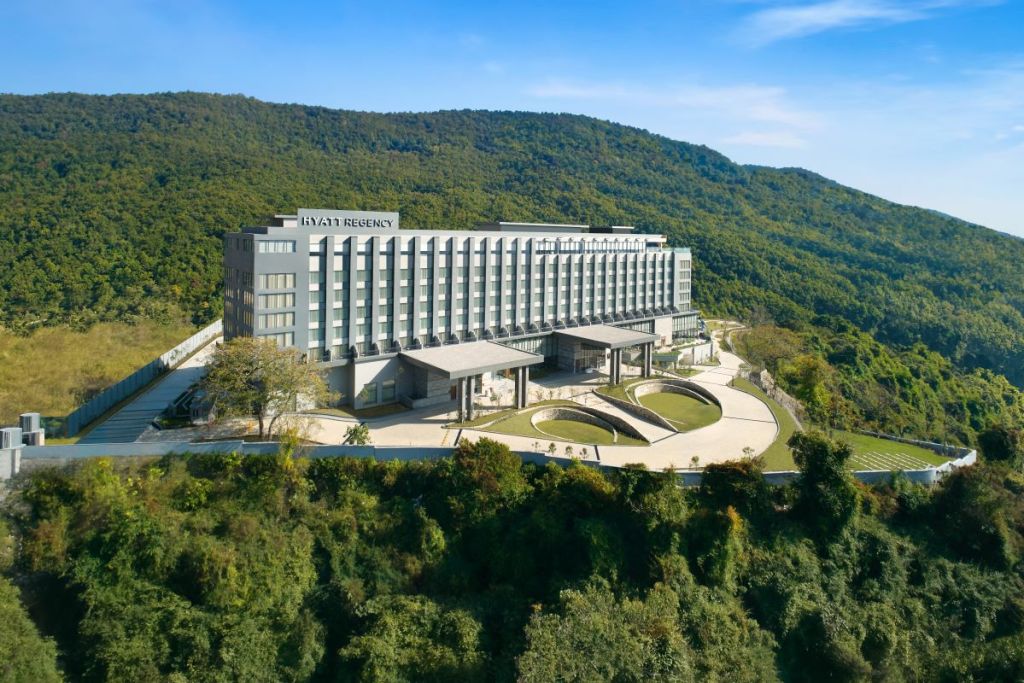
Hyatt Hotels — In short: Hyatt plans to develop a brand concept tailored for India, leveraging local traditions and landscapes....
Read moreDetails
