









No products in the cart.
- Latest
- Trending

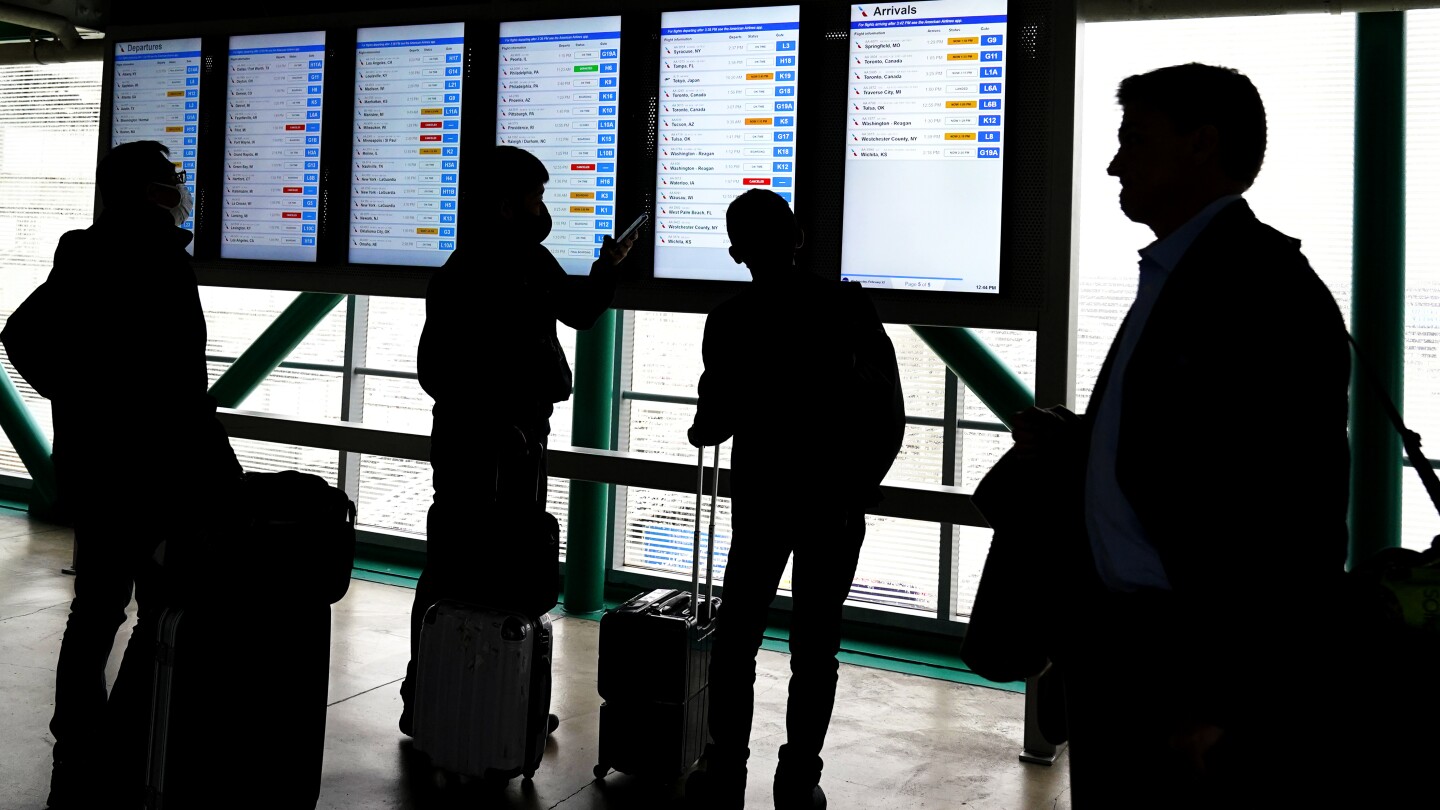
Travelers check American Airlines flight information screens for their flight status at O’Hare International Airport in Chicago, Wednesday, Feb. 22, 2023. (AP photo/Nam Y. Huh, File)
Article Summary:
Expedia Group reported weaker-than-expected revenue in Q1 due to reduced travel demand in the U.S., aligning with Bank of America’s findings that spending on flights and lodging via credit cards continues to decline. These reports highlight a potential slowdown in the U.S. travel and tourism industry, following a period of "revenge travel" post-pandemic. Airbnb and Hilton also noted similar trends in their recent earnings reports. Major U.S. airlines have adjusted their full-year guidance and planned to reduce scheduled flights, citing the ongoing decline in travel demand.
Key Points:
Actionable Takeaways:
Adjust Travel Plans: Travel companies and airlines should consider adjusting their marketing strategies to focus on alternative travel segments or destinations that may still show demand.
Explanation: Given the reported decline in travel demand, companies can explore untapped markets or offer unique experiences to attract travelers who might be more cautious about booking traditional flights and lodging.
Enhance Digital Booking Platforms: Expedia’s role in the travel industry suggests a focus on optimizing digital platforms for bookings.
Explanation: With reduced demand, there’s an opportunity to enhance user experience on digital platforms to retain existing customers and attract new ones. This could involve improving booking interfaces, offering personalized recommendations, or integrating more flexible cancellation policies.
Contextual Insights:
The article reflects the ongoing challenges faced by the U.S. travel and tourism industry in the post-pandemic era. The decline in travel demand, as reported by Expedia and supported by Bank of America’s data on credit card transactions, underscores the resilience of the industry in recovering from the pandemic-induced slowdown. The trend of "revenge travel" has given way to a more cautious approach among consumers, who are now more selective about their travel plans. This context is crucial for understanding the strategic shifts being made by industry leaders like Expedia, Airbnb, and Hilton, who are all adjusting their business models to navigate the new normal. The focus on digital platforms and credit card transaction data highlights the importance of leveraging technology and data analytics to adapt to changing consumer preferences and market conditions. As the industry moves forward, staying attuned to these trends and insights will be essential for sustaining growth and innovation in the travel sector.
Read the Complete Article.
Get curated travel AI insights — choose the newsletters that matter to you.
ALTOUR Expands into Thailand, Strengthening Corporate Travel Network Across Southeast Asia BANGKOK, THAILAND (25 March, 2026) – ALTOUR, a leading...
Read moreDetails


Comprehensive Summarization: Upstox Securities Pvt. Ltd., a financial services provider registered with SEBI under No. INZ000315837, has announced a voluntary...
Read moreDetails