




No products in the cart.
- Latest
- Trending


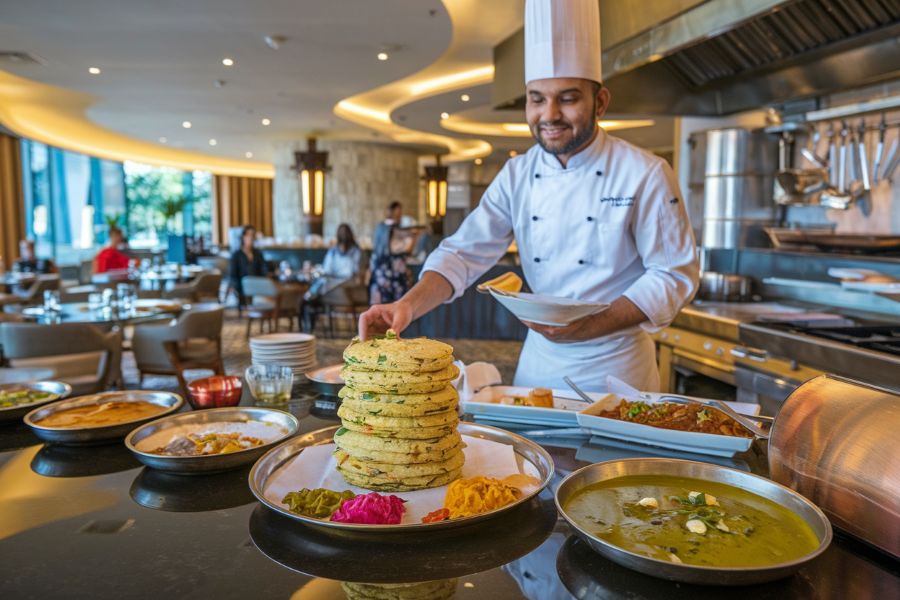
The luxury hospitality sector is experiencing a transformation driven by evolving consumer expectations and new operational hurdles. Travelers are increasingly prioritizing personalized experiences, wellness, and sustainability, demanding more than just opulent surroundings. This shift requires hotels to adapt their offerings and service models to cater to a more discerning clientele.
One of the primary drivers of change is the growing emphasis on wellness. Guests are seeking integrated wellness programs that go beyond traditional spa treatments, encompassing mental, physical, and spiritual well-being. Hotels are responding by incorporating holistic approaches, offering personalized fitness plans, healthy dining options, and mindfulness activities.
Sustainability is another critical factor influencing luxury travel. Consumers are more aware of their environmental impact and are actively seeking out accommodations that demonstrate a commitment to eco-friendly practices. This includes reducing waste, conserving energy and water, and sourcing local and sustainable products. Hotels that can authentically integrate sustainability into their operations are gaining a competitive edge.
Furthermore, personalization remains paramount in luxury hospitality. Guests expect bespoke experiences tailored to their individual preferences and desires. This involves leveraging technology and data to understand guest needs and preferences, enabling staff to anticipate and fulfill requests proactively. From curated itineraries to personalized in-room amenities, the focus is on creating unique and memorable moments.
The industry is also grappling with operational challenges, including labor shortages and the need for enhanced technology integration. Attracting and retaining skilled staff in the luxury segment is a significant concern, necessitating investment in training and development programs. Simultaneously, hotels are investing in technology to streamline operations, improve guest communication, and enhance the overall guest journey. This includes the adoption of AI-powered solutions and digital platforms that facilitate seamless interactions and personalized services.
The article highlights that the future of luxury hospitality lies in its ability to balance exclusivity with authenticity, offering experiences that are both aspirational and meaningful. Hotels that embrace these evolving consumer demands and proactively address operational challenges will be best positioned for success in the coming years.
Key Points.
Read the Complete Article.
Get curated travel AI insights — choose the newsletters that matter to you.
ALTOUR Expands into Thailand, Strengthening Corporate Travel Network Across Southeast Asia BANGKOK, THAILAND (25 March, 2026) – ALTOUR, a leading...
Read moreDetails


Comprehensive Summarization: The article reports significant disruptions at Brazil’s major aviation hubs in São Paulo, Rio de Janeiro, Brasília, and...
Read moreDetails