




No products in the cart.
- Latest
- Trending


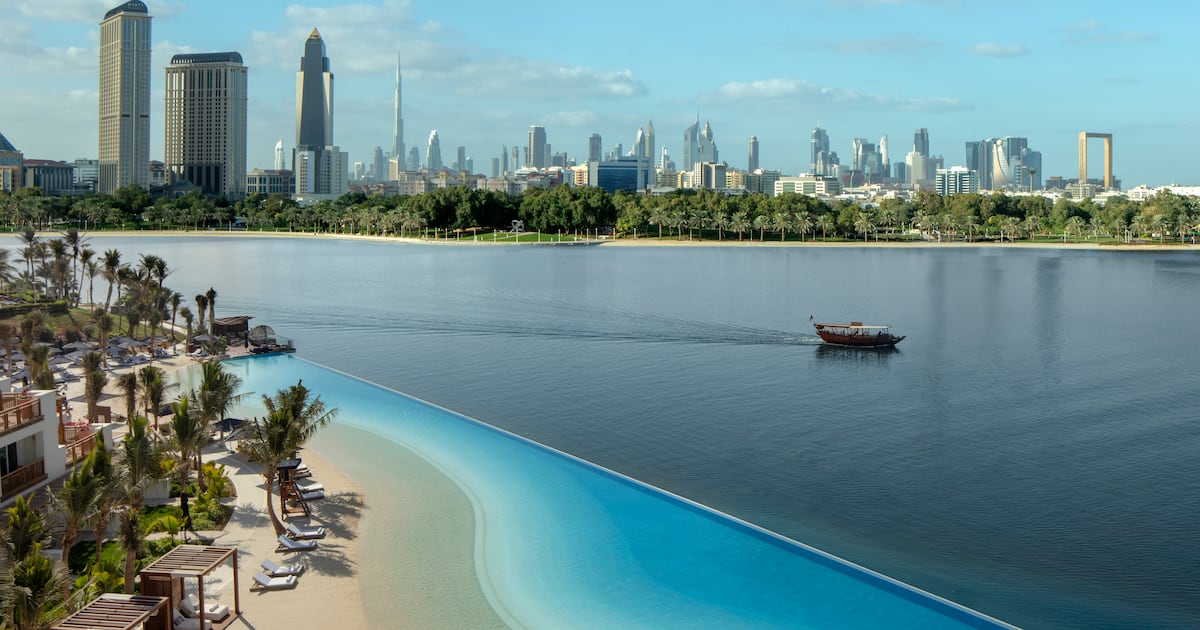
Photo Credit: The Bright Hotel
In today’s rapidly evolving travel landscape, lodging professionals face the critical challenge of future-proofing their properties. This isn’t just about adopting the latest technology; it’s about strategically integrating innovation while preserving the irreplaceable human element that defines exceptional hospitality. The key lies in finding a harmonious balance, ensuring that technology enhances, rather than replaces, genuine guest experiences.
The foundation of future-proofing begins with understanding evolving guest expectations. Modern travelers seek seamless, personalized, and convenient interactions, often driven by digital solutions. This translates to investing in smart technology that streamlines operations and elevates the guest journey. Think contactless check-in and check-out, keyless room entry, in-room voice-activated controls, and intuitive mobile apps that offer a single point of contact for everything from booking amenities to requesting services. These tools empower guests, offering them greater control and autonomy over their stay.
However, the most sophisticated technology is rendered hollow without a human touch. AI and automation can efficiently handle routine tasks, freeing up staff to focus on high-value interactions. This means empowering your team to be proactive, empathetic, and intuitive in their guest engagement. When a guest encounters an issue, or simply desires a personalized recommendation, it’s the human interaction that transforms a potential negative into a memorable positive. Training staff to utilize technology as a support tool, rather than a replacement for their interpersonal skills, is paramount. This includes equipping them with data-driven insights about guest preferences, enabling them to offer tailored experiences, anticipate needs, and build genuine rapport.
Personalization is no longer a luxury; it’s an expectation. Future-proofed properties leverage data analytics to understand individual guest histories and preferences. This allows for customized room settings, targeted amenity suggestions, and personalized communication, all delivered through a blend of digital touchpoints and human interaction. Imagine a guest who previously enjoyed a specific type of pillow receiving an automated pre-arrival notification offering the same, or a front desk agent noting a returning guest’s preferred coffee order. These small, data-informed gestures create a sense of being truly valued and understood.
Sustainability is another crucial pillar of future-proofing. Guests are increasingly conscious of their environmental impact, and properties that embrace eco-friendly practices – from energy-efficient systems to waste reduction programs – will resonate more strongly. Technology can play a vital role here, with smart building management systems optimizing energy consumption and reducing operational costs.
Ultimately, future-proofing is about creating a dynamic, adaptable, and guest-centric environment. It’s about using technology to create efficiency and empower guests, while simultaneously investing in your human capital to deliver authentic, memorable hospitality. The properties that thrive will be those that master this delicate dance, ensuring that innovation serves the ultimate goal: creating exceptional experiences that keep guests returning.
Key Points
Read the Complete Article.
Get curated travel AI insights — choose the newsletters that matter to you.
ALTOUR Expands into Thailand, Strengthening Corporate Travel Network Across Southeast Asia BANGKOK, THAILAND (25 March, 2026) – ALTOUR, a leading...
Read moreDetails


Comprehensive Summarization: China has recently resumed direct flights to North Korea's capital, Pyongyang, after a six-year hiatus, as reported by...
Read moreDetails